When engaging in steroid bodybuilding, nutrition plays a vital role in maximizing muscle growth and supporting overall health. Steroids can enhance your physical performance and muscle-building potential, but they also place extra demands on your body, making it crucial to fuel it with the right nutrients. Healthy cooking ensures you’re providing optimal support for gains while minimizing the risks associated with poor dietary choices. Here are essential cooking tips to keep you on the path to peak performance.
Emphasize Protein Power
Protein is the cornerstone of muscle growth. When cooking meals, focus on lean, high-quality protein sources that fuel your muscles without adding unnecessary fats:
- Choose lean cuts of meat like chicken breast, turkey, and fish (e.g., salmon for omega-3s).
- Plant-based proteins such as lentils, tofu, and tempeh are excellent options for variety.
- Egg whites and whole eggs balance protein intake with essential nutrients like choline.
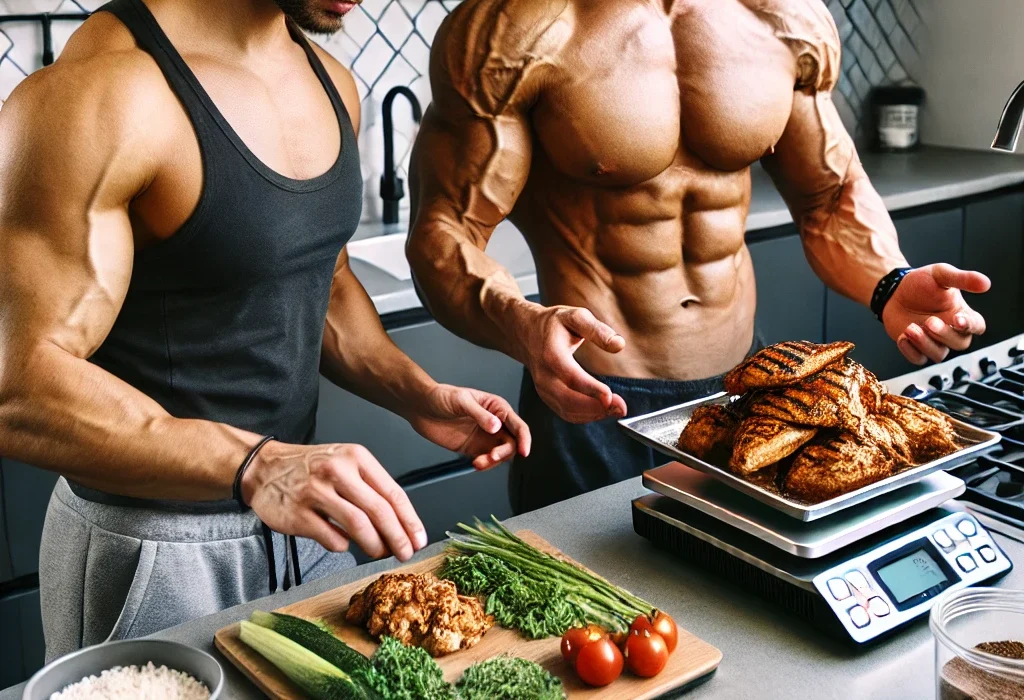
To prepare these foods healthily, opt for grilling, baking, or steaming instead of frying. Use minimal oil to reduce excess calorie intake.
Incorporate Healthy Fats
Steroids can elevate cholesterol levels, so cooking with healthy fats is essential for cardiovascular health. Replace saturated fats with heart-healthy options:
- Avocado oil or olive oil: Great for sautéing or as a salad dressing base.
- Nuts and seeds: Add as toppings to meals for a nutrient boost.
- Fatty fish: Include salmon, mackerel, or sardines for omega-3 fatty acids.
Avoid trans fats and heavily processed oils that can negatively affect your cholesterol and overall health.
Carbs with a Purpose
Carbohydrates are your body’s primary energy source, especially during intense bodybuilding routines. Focus on complex carbs that release energy steadily:
- Brown rice, quinoa, or farro: These grains are rich in fiber and nutrients.
- Sweet potatoes: A versatile, nutrient-dense carb option.
- Oats: Ideal for breakfast or a pre-workout snack.
Avoid simple sugars and highly processed carbs, as they can cause energy spikes and crashes. Cook whole grains by steaming or boiling, and bake or roast root vegetables for the best flavor and texture.
Boost Nutrient Density with Vegetables
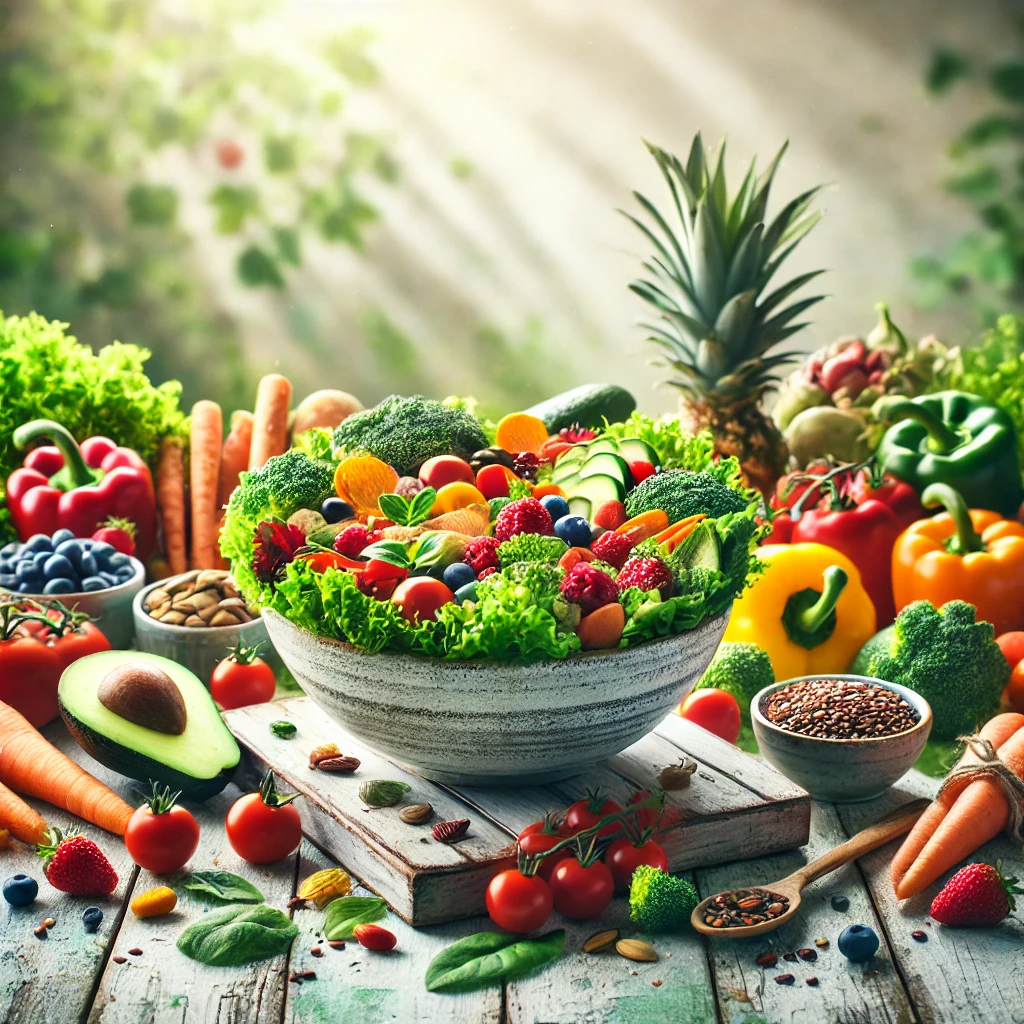
Vegetables are your secret weapon for essential vitamins, minerals, and antioxidants. Steroid use can stress the liver and other organs, making nutrient-dense vegetables crucial for detoxification and recovery:
- Cruciferous vegetables: Broccoli, cauliflower, and Brussels sprouts support liver health.
- Leafy greens: Spinach, kale, and Swiss chard are packed with iron and magnesium.
- Colorful veggies: Carrots, bell peppers, and beets provide a wide range of vitamins.
Steam, roast, or stir-fry vegetables to preserve nutrients while enhancing flavor. Use herbs and spices instead of high-sodium seasonings.
Prep Meals for Consistency
Bodybuilding often involves eating multiple meals throughout the day. Cooking in bulk saves time and ensures you stay on track. Some meal prep tips include:
- Cook proteins in large batches (e.g., grill a week’s worth of chicken breasts).
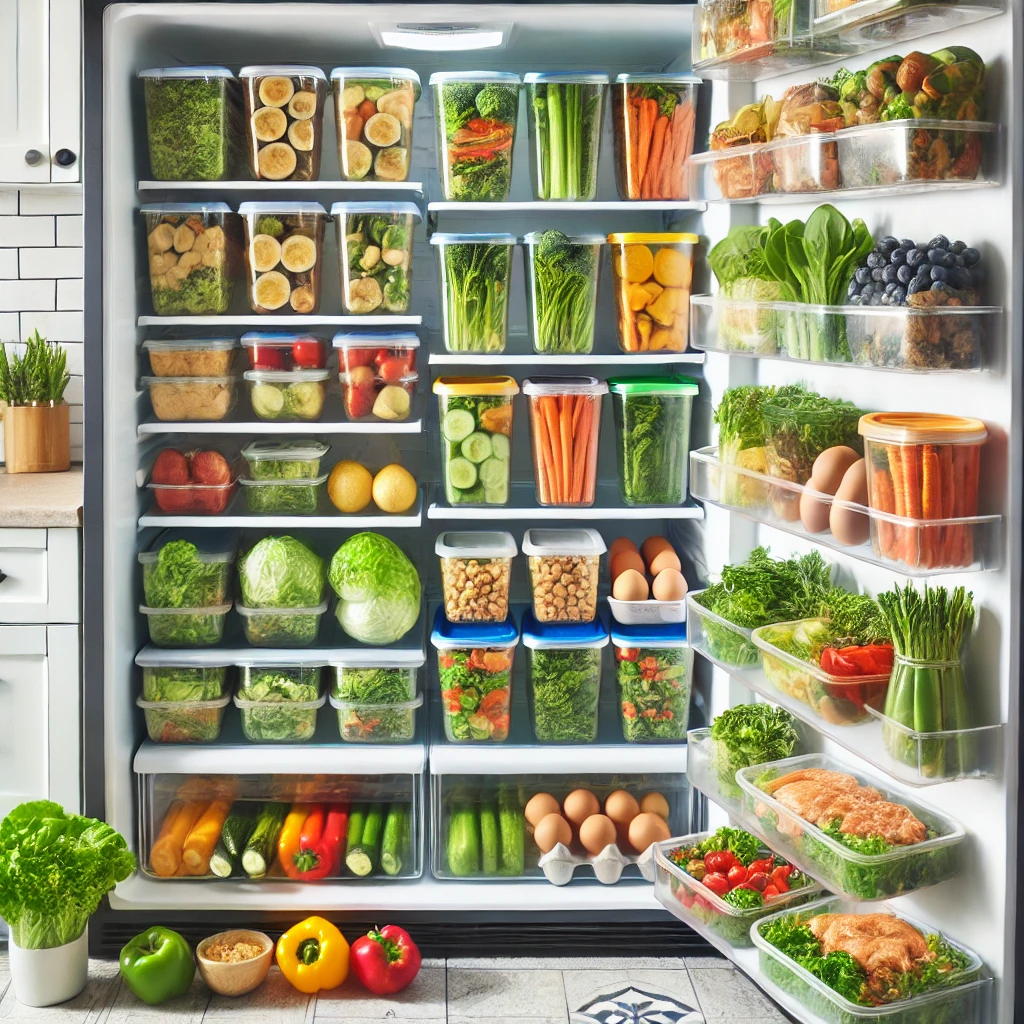
- Pre-portion meals in containers for convenience.
- Use a slow cooker for stews and soups that combine protein, carbs, and veggies.
This approach helps avoid unplanned, unhealthy eating and ensures your macros are always on point.
Stay Hydrated and Support Recovery
Steroid use and intense workouts can increase your body’s need for water. Proper hydration aids in digestion, recovery, and overall performance:
- Include hydrating foods like cucumbers, watermelon, and soups.
- Drink infused water with lemon or cucumber for added flavor and nutrients.
- Limit sugary drinks that dehydrate rather than nourish your body.
Cooking meals with water-rich ingredients, like broths and stews, can also help meet your hydration goals.
Use Smart Cooking Techniques
The way you cook affects both nutrition and taste. Prioritize methods that retain nutrients and minimize unhealthy fats:
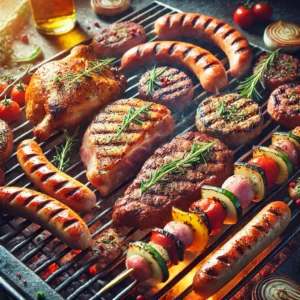
- Grilling or baking: Ideal for meats and veggies, preserving their natural flavors.
- Steaming: A gentle method for cooking vegetables without losing their vitamins.
- Air frying: A healthier alternative to traditional frying for creating crispy textures.
- Sous vide: Ensures even cooking without added fats or oils.
Avoid overcooking, as this can deplete the nutrients in your food.
Minimize Sodium and Add Flavor Naturally
Excess sodium can lead to water retention and bloating, which may counteract the lean look many bodybuilders aim for. Instead of relying on salt, enhance flavors with:
- Herbs: Basil, cilantro, parsley, and thyme add freshness.
- Spices: Turmeric, paprika, and cumin offer depth and health benefits.
- Citrus: Lemon or lime juice brightens up dishes naturally.
Experimenting with seasonings keeps meals exciting while supporting your health.
Monitor Portion Sizes
Even when eating healthy, portion control is essential to avoid overloading on calories. Use these tips to maintain balance:
- Weigh and measure food to ensure consistent servings.
- Use smaller plates to avoid piling on extra portions.
- Balance your plate with protein, carbs, and vegetables in every meal.
The Bigger Picture: Balance and Health
Steroids may enhance muscle growth, but they also come with health risks if not paired with proper nutrition. By focusing on clean, nutrient-dense cooking, you can fuel your body for performance while mitigating potential side effects. Remember, healthy eating is about consistency, variety, and balance.
A Sample Day of Meals
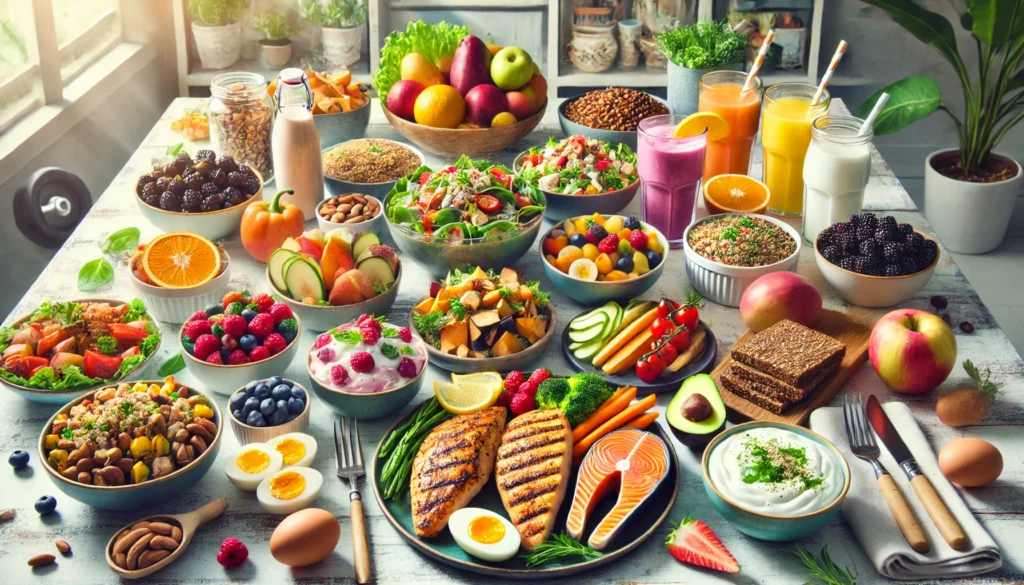
- Breakfast: Egg white omelet with spinach, tomatoes, and avocado toast.
- Snack: Greek yogurt with mixed nuts and a drizzle of honey.
- Lunch: Grilled chicken breast with quinoa and roasted Brussels sprouts.
- Snack: Protein shake with a side of carrot sticks and hummus.
- Dinner: Baked salmon with sweet potatoes and steamed broccoli.
Cooking healthily while bodybuilding on steroids isn’t just about building muscle—it’s about supporting your body in every way possible. With these cooking tips, you’ll not only maximize gains but also promote long-term health and vitality.