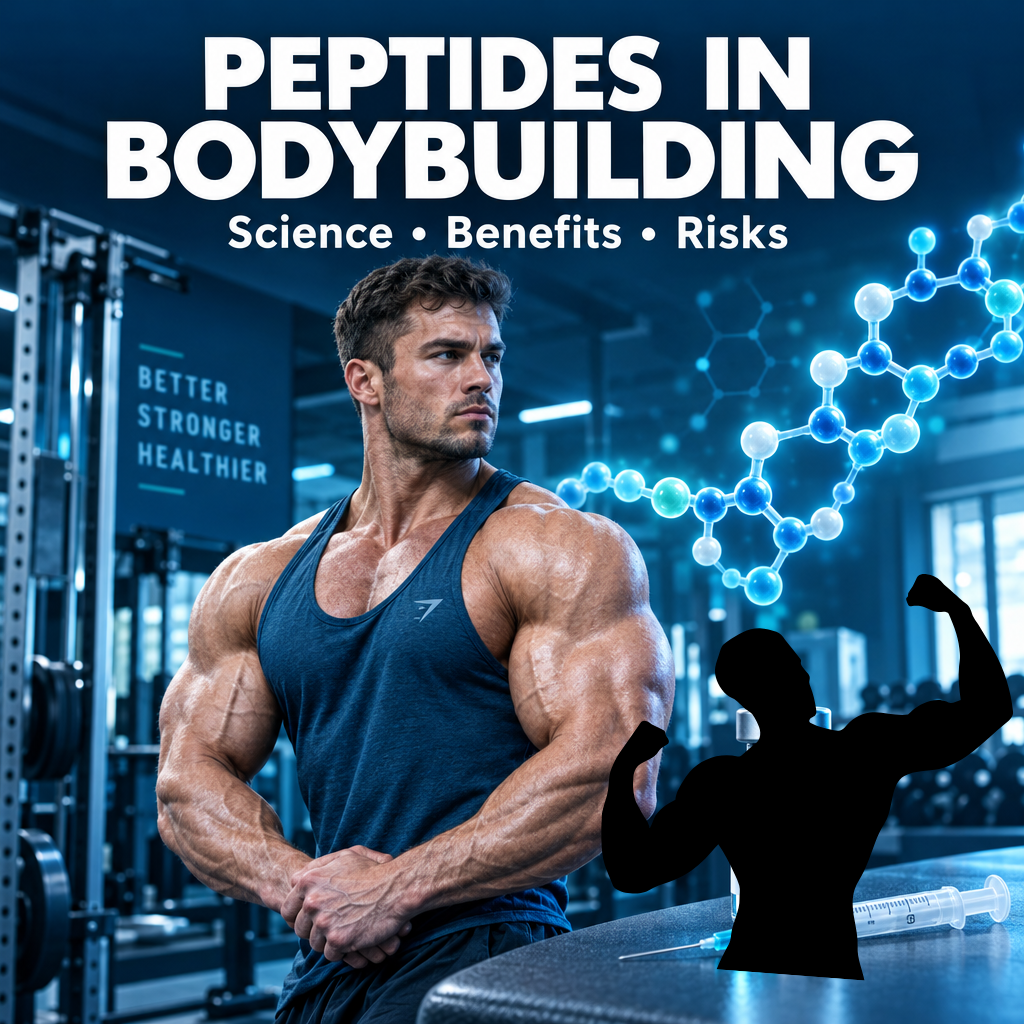
In the ever-evolving world of bodybuilding nutrition, protein peptides have emerged as a revolutionary tool for enhancing muscle growth, improving recovery, and supporting overall performance. Unlike traditional protein supplements, peptides offer increased bioavailability, faster absorption, and targeted benefits. Their unique properties and versatility have positioned them as a potential game-changer in sports nutrition. This article explores whether protein peptides are indeed the future of bodybuilding nutrition, examining their benefits, applications, and implications for athletes.
What Are Protein Peptides?
Protein peptides are short chains of amino acids derived from the breakdown of whole proteins. Created through a process called hydrolysis, peptides are smaller and easier to absorb than intact proteins, enabling faster delivery of nutrients to the muscles.
Unlike conventional protein powders, peptides work at a cellular level to trigger specific physiological responses, such as muscle repair, protein synthesis, and fat metabolism, making them a precise tool for bodybuilders.
Key Benefits of Protein Peptides in Bodybuilding
- Enhanced Muscle Growth
- Protein peptides directly stimulate muscle protein synthesis (MPS), the process by which muscles repair and grow after exercise.
- Examples like whey peptides and IGF-1 peptides target muscle fibers, promoting hypertrophy and lean mass development.
- Faster Recovery
- Peptides accelerate the repair of muscle tissues damaged during intense training.
- BPC-157, a popular peptide for recovery, reduces inflammation and promotes healing in muscles, tendons, and ligaments.
- Improved Bioavailability
- Protein peptides are absorbed faster than traditional protein powders, ensuring that amino acids reach the muscles quickly during critical post-workout windows.
- Joint and Connective Tissue Support
- Collagen peptides strengthen ligaments, tendons, and cartilage, reducing the risk of injuries from heavy lifting.
- Fat Metabolism
- Peptides like CJC-1295 and Ipamorelin boost growth hormone levels, enhancing fat oxidation and improving body composition.
- Convenience
- Peptides can be easily incorporated into existing diets as powders, capsules, or functional foods, offering a practical alternative to bulky protein shakes.
Applications of Protein Peptides in Bodybuilding Nutrition
- Pre-Workout
- Creatine peptides enhance energy production and delay fatigue, allowing bodybuilders to train harder and longer.
- Post-Workout Recovery
- Whey peptides and BCAA peptides provide the building blocks for muscle repair and recovery, ensuring optimal growth after workouts.
- Injury Prevention and Healing
- Collagen peptides and BPC-157 improve tissue resilience and accelerate recovery from injuries, enabling consistent training.
- Cutting Cycles
- Peptides like CJC-1295 help maintain muscle mass while promoting fat loss during calorie deficits.
- Bulking Cycles


- IGF-1 peptides and GHRPs (Growth Hormone Releasing Peptides) support lean muscle development during bulking phases.
Why Protein Peptides Are Disrupting Traditional Nutrition
Traditional protein sources like whey or casein are effective but come with limitations, such as slower absorption and digestive discomfort for some individuals. Protein peptides overcome these challenges with their rapid absorption, targeted effects, and versatility.
Furthermore, peptides allow for more personalized nutrition strategies. Athletes can choose specific peptides based on their goals, such as recovery, fat loss, or muscle growth, creating a tailored approach that traditional proteins cannot match.
The Science Behind Protein Peptides
Protein peptides work by interacting with receptors in muscle, bone, and other tissues to trigger anabolic processes. For example:
- Growth hormone-releasing peptides stimulate the pituitary gland to produce growth hormone, enhancing muscle growth and fat metabolism.
- Collagen peptides increase the synthesis of collagen, improving joint health and preventing injuries.
- Whey peptides deliver essential amino acids directly to muscle tissues, accelerating repair and reducing soreness.
These mechanisms make peptides a powerful tool for optimizing performance and recovery in bodybuilders.
Challenges and Considerations
While protein peptides offer significant advantages, there are challenges to their widespread adoption:
- Cost
- Peptides are often more expensive than traditional protein supplements, potentially limiting accessibility for some athletes.
- Quality Control


- The unregulated peptide market raises concerns about product purity and authenticity, highlighting the need for reputable suppliers.
- Knowledge Gap
- Many athletes are unfamiliar with how to use peptides effectively, requiring education and guidance to maximize benefits.
- Regulatory Issues
- Some peptides, particularly those related to growth hormone release, may face restrictions in competitive sports due to anti-doping regulations.
Are Protein Peptides the Future of Bodybuilding Nutrition?
The potential of protein peptides to revolutionize bodybuilding nutrition is undeniable. Their ability to provide targeted, efficient solutions for muscle growth, recovery, and fat loss makes them an invaluable asset for athletes. As research continues to uncover new applications and benefits, peptides are likely to become a staple in sports nutrition.
Moreover, advancements in peptide technology, such as personalized peptide protocols and enhanced delivery systems, will further cement their role in bodybuilding. These innovations promise to make peptides more accessible, affordable, and effective, paving the way for widespread adoption.
How to Incorporate Protein Peptides into Your Routine
- Choose the Right Peptides
- Identify your goals (e.g., muscle growth, recovery, fat loss) and select peptides accordingly.
- Timing Is Key
- Use fast-absorbing peptides like whey peptides immediately post-workout, and collagen peptides daily for joint health.
- Stack for Synergy
- Combine peptides with complementary effects, such as collagen and IGF-1 for joint and muscle support.
- Monitor Progress
- Track your results and adjust your peptide regimen as needed for optimal outcomes.
Protein peptides are reshaping the landscape of bodybuilding nutrition, offering athletes a cutting-edge way to enhance performance, recovery, and overall health. While challenges remain, their unique benefits and versatility make them a promising tool for the future of sports nutrition. As knowledge and accessibility improve, protein peptides are poised to become a cornerstone of bodybuilding strategies, helping athletes achieve new heights in their fitness journeys.
CLICK HERE TO JOIN IN ON THE DISCUSSION