Arm curls are a staple exercise in weightlifting, known for effectively targeting the biceps and building arm strength and size. Whether you’re a beginner or an experienced lifter, incorporating curls into your routine can help you achieve well-defined, powerful arms. This tutorial will guide you through the different types of arm curls, proper techniques, and tips to maximize muscle growth.
Why Focus on Arm Curls?
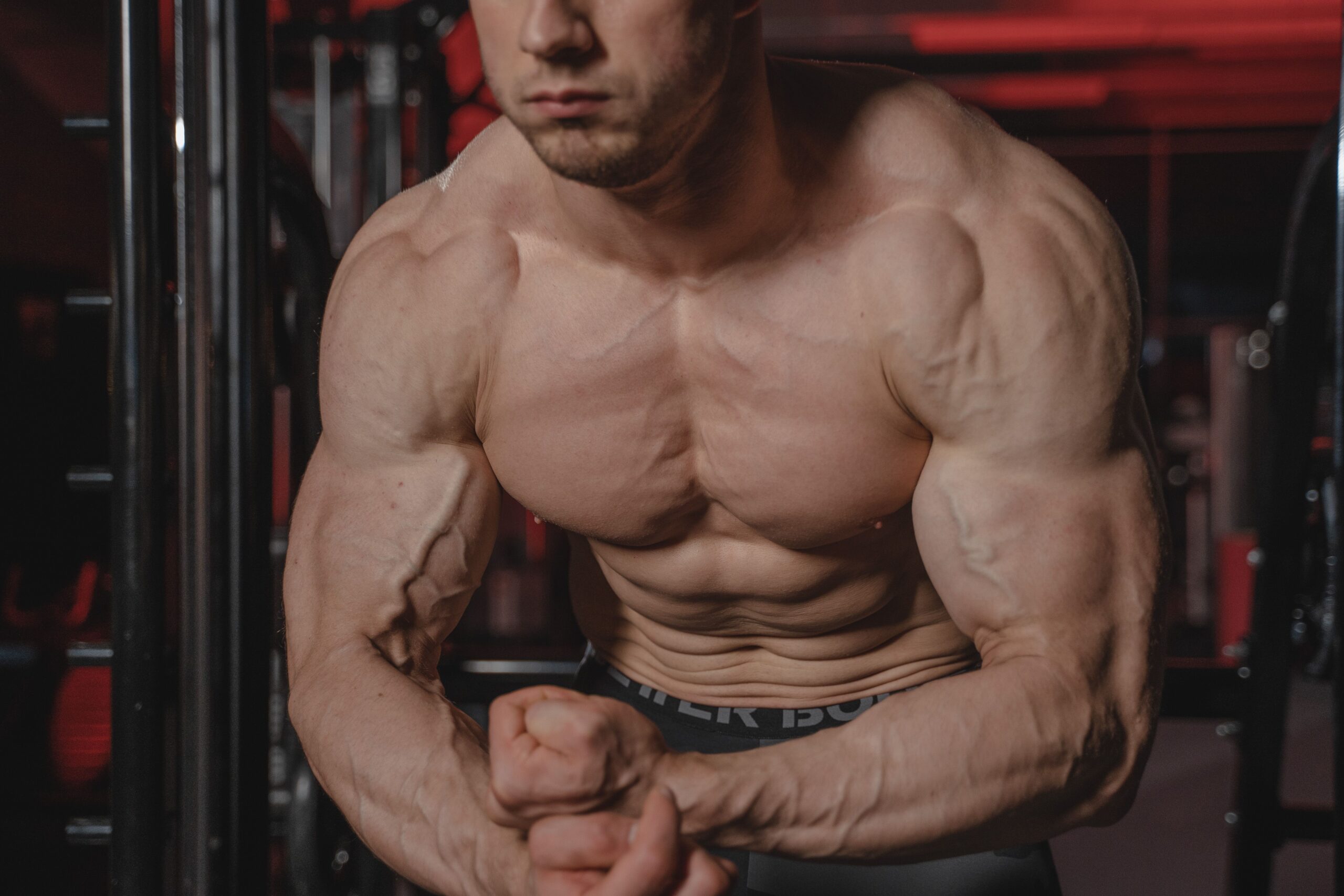
Arm curls isolate the biceps, a major muscle group responsible for elbow flexion and forearm rotation. By strengthening these muscles, you enhance both functional strength and aesthetics. Benefits of arm curls include:
- Increased Bicep Strength: Essential for pulling motions and daily tasks.
- Improved Arm Definition: Helps achieve the sought-after “toned” or “bulky” arm look.
- Enhanced Upper-Body Stability: Supports other lifts, such as rows and pull-ups.
Types of Arm Curls
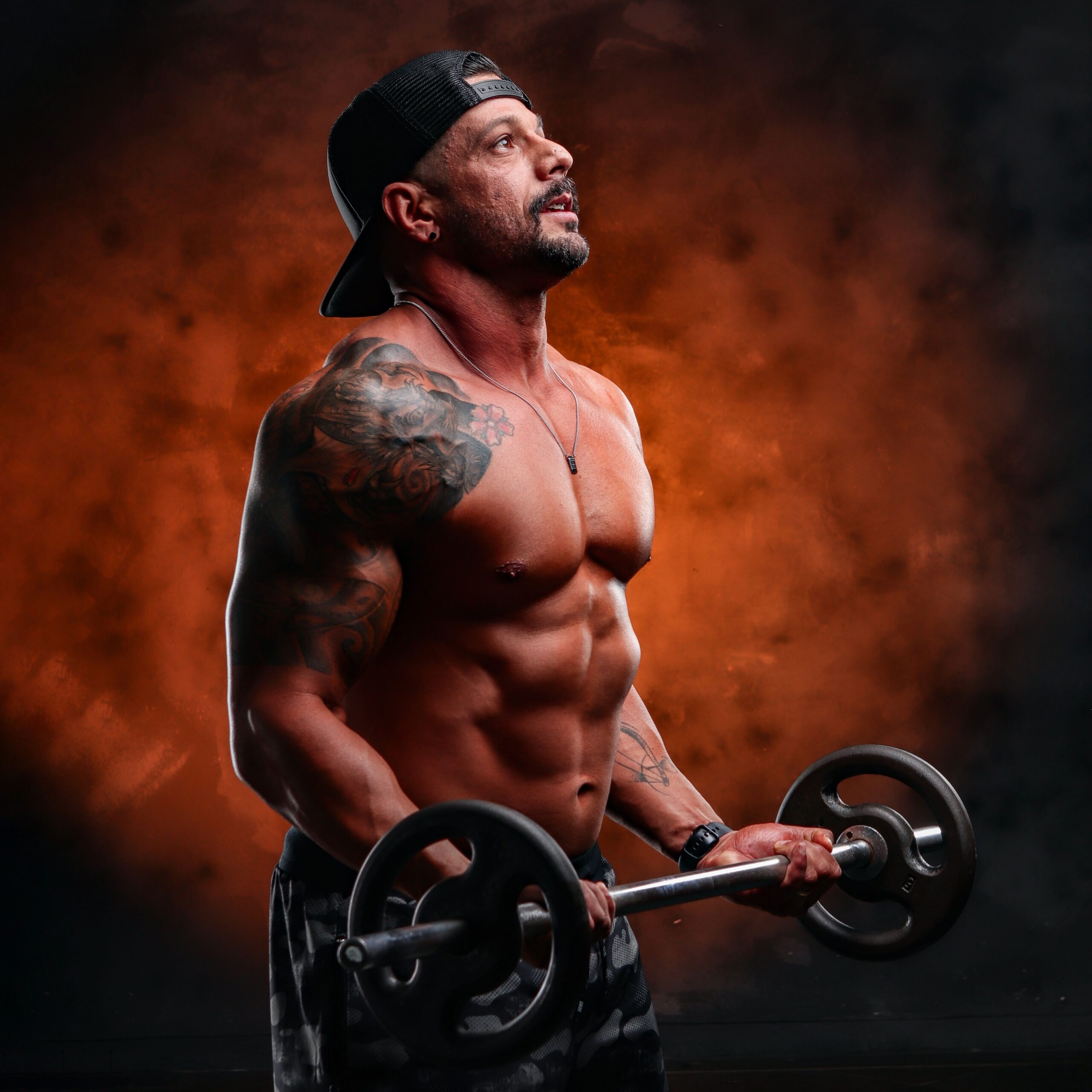
Different variations of arm curls target the biceps from various angles, emphasizing different parts of the muscle:
- Barbell Bicep Curls
- Muscles Worked: Biceps brachii, brachialis, brachioradialis.
- How to Perform:
- Stand with feet shoulder-width apart, holding a barbell with an underhand grip.
- Keep your elbows close to your torso and curl the bar upward while contracting your biceps.
- Slowly lower the bar back to the starting position.
- Dumbbell Bicep Curls
- Muscles Worked: Same as barbell curls, with added focus on stabilizer muscles.
- How to Perform:
- Hold a dumbbell in each hand with palms facing forward.
- Curl one dumbbell at a time (alternating curls) or both simultaneously.
- Lower the dumbbells back to the starting position with control.
- Hammer Curls
- Muscles Worked: Biceps brachii (long head) and brachialis, with additional forearm engagement.
- How to Perform:
- Hold a dumbbell in each hand with palms facing your torso (neutral grip).
- Curl the weights upward while maintaining the neutral grip.
- Lower them slowly back down.
- Concentration Curls
- Muscles Worked: Isolate the biceps brachii (short head).
- How to Perform:
- Sit on a bench and hold a dumbbell in one hand.
- Rest your elbow on the inside of your thigh.
- Curl the dumbbell upward, focusing on controlled movement.
- Preacher Curls
- Muscles Worked: Targets the biceps brachii while reducing momentum.
- How to Perform:
- Sit at a preacher bench with your arms resting on the pad.
- Grip a barbell or dumbbell and curl upward.
- Lower the weight slowly to the starting position.
 Proper Technique for Arm Curls
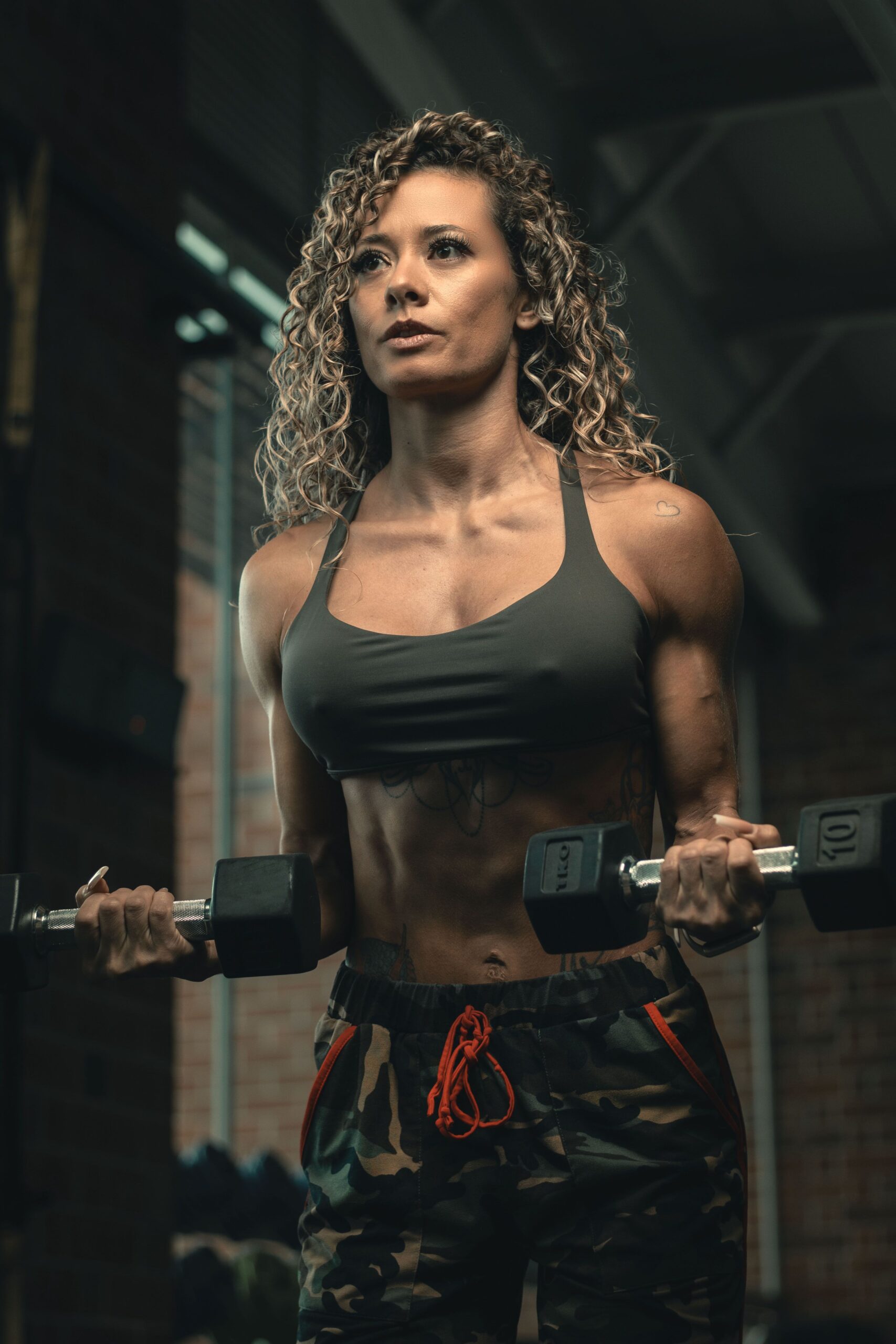
To maximize results and prevent injury, proper form is essential:
- Set Your Stance
- Stand or sit with your back straight and core engaged. Avoid leaning backward or using momentum to lift the weight.
- Control the Movement
- Lift the weight with a controlled motion, focusing on contracting the biceps. Lower the weight slowly to maintain tension.
- Avoid Cheating
- Keep your elbows fixed close to your torso. Swinging your arms or shoulders reduces the effectiveness of the exercise.
- Choose the Right Weight
- Start with a weight you can lift for 8-12 reps without compromising form. Gradually increase resistance as you build strength.
- Focus on Full Range of Motion
- Fully extend your arms at the bottom of the curl and contract them fully at the top for maximum engagement.
Tips for Building Arm Muscles with Curls
- Incorporate Progressive Overload
- Gradually increase the weight or number of reps to continually challenge your muscles and stimulate growth.
- Use Variations
- Mix different types of curls in your routine to target various parts of the biceps and avoid plateaus.
- Slow Down the Eccentric Phase
- Lower the weight slowly (eccentric motion) to maximize muscle tension and boost strength gains.
- Add Supersets
- Pair curls with triceps exercises (e.g., tricep dips or skull crushers) to balance arm development and enhance overall arm size.
- Train Smart, Not Just Hard
- Rest adequately between sets (30-60 seconds for hypertrophy-focused workouts). Allow your muscles at least 48 hours to recover before training them again.
Sample Arm Curl Workout
| Exercise | Sets | Reps | Rest Between Sets |
|---|---|---|---|
| Barbell Bicep Curls | 3 | 10-12 | 60 seconds |
| Hammer Curls | 3 | 10-12 | 60 seconds |
| Concentration Curls | 3 | 12-15 | 45 seconds |
| Preacher Curls | 3 | 12-15 | 45 seconds |
Common Mistakes to Avoid
- Using Excessive Weight
- Lifting too heavy can compromise form and increase the risk of injury.
- Shortening Range of Motion
- Avoid half-reps; focus on full extension and contraction for maximum effectiveness.
- Relying on Momentum
- Swinging the weight reduces bicep engagement and can strain your joints.
Nutrition for Arm Muscle Growth
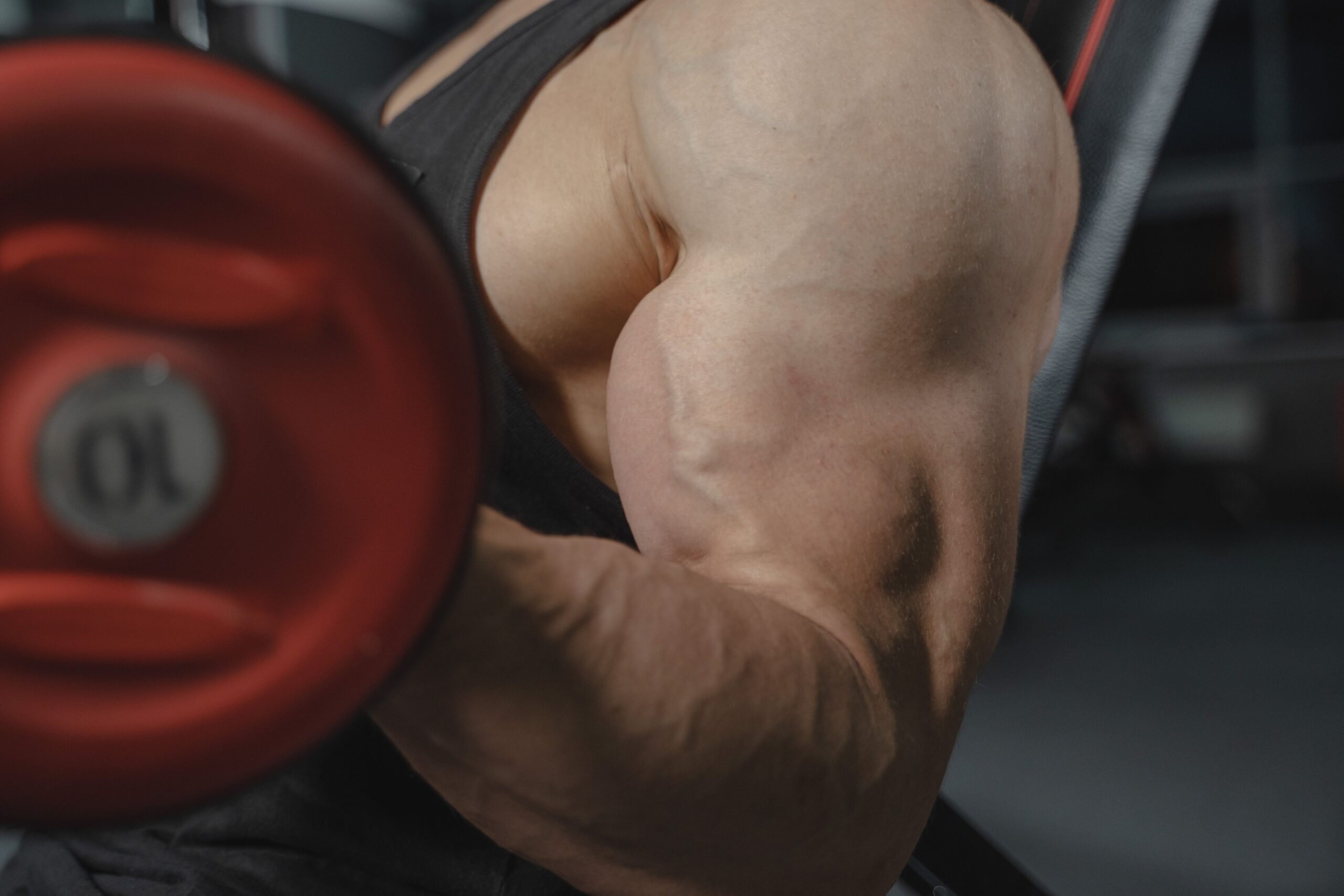
- Protein
- Essential for muscle repair and growth. Aim for 1.6-2.2 grams of protein per kilogram of body weight daily. Include sources like chicken, fish, eggs, and plant-based proteins.
- Carbohydrates
- Fuel your workouts with complex carbs like oatmeal, brown rice, and sweet potatoes.
- Hydration
- Drink plenty of water to maintain performance and reduce muscle fatigue.
- Post-Workout Nutrition
- Consume a protein-rich meal or shake within 30 minutes of completing your workout to kickstart recovery.
Tracking Progress
- Log Your Workouts
- Keep track of the weights, sets, and reps you complete to monitor your improvements over time.
- Take Measurements
- Measure your arm circumference periodically to track muscle growth.
- Set Goals
- Whether it’s lifting a heavier dumbbell or achieving a specific arm size, setting milestones can keep you motivated.
Mastering arm curls is an essential step in building strong, well-defined arms. With proper technique, consistent training, and a balanced nutrition plan, you can achieve impressive biceps and functional upper-body strength. Remember, patience and persistence are key—results come to those who put in the work and focus on long-term progress.
CLICK HERE TO JOIN IN ON THE DISCUSSION
References:
- American College of Sports Medicine — Progression Models in Resistance Training for Healthy Adults
https://pubmed.ncbi.nlm.nih.gov/19204579/
(Reference for progressive overload, resistance training principles, sets, repetitions, and muscle growth.) - National Strength and Conditioning Association — Essentials of Strength Training and Conditioning
https://www.nsca.com/education/articles/
(Reference for exercise technique, resistance training programming, and hypertrophy principles.) - International Society of Sports Nutrition — Position Stand: Protein and Exercise
https://jissn.biomedcentral.com/articles/10.1186/s12970-017-0177-8
(Reference for protein intake recommendations supporting muscle growth and recovery.) - Mayo Clinic — Strength training: Get stronger, leaner, healthier
https://www.mayoclinic.org/healthy-lifestyle/fitness/in-depth/strength-training/art-20048858
(Reference for resistance training benefits, proper form, and injury prevention.) - Harvard Medical School — Strength training builds more than muscles
https://www.health.harvard.edu/exercise-and-fitness/strength-training-builds-more-than-muscles
(Reference for the health benefits of strength training.) - Schoenfeld, B.J. — The Mechanisms of Muscle Hypertrophy and Their Application to Resistance Training
https://pubmed.ncbi.nlm.nih.gov/20847704/
(Reference for muscle hypertrophy mechanisms, training volume, and intensity.) - ExRx.net — Biceps Curl Exercise Guide
https://exrx.net/WeightExercises/Biceps/DBCurl
(Reference for exercise anatomy and proper curl technique.)