
Bulking vs. Cutting: How to Build Muscle and Lose Fat
Bodybuilders and fitness enthusiasts know that sculpting an impressive physique takes more than just lifting weights—it requires a strategic balance between training, nutrition, recovery, and patience. Two of the most common approaches used to improve body composition are bulking and cutting.
These two approaches are often described as the yin and yang of bodybuilding. Bulking focuses primarily on gaining muscle and strength, while cutting focuses on reducing body fat to reveal the muscle developed during a growth phase. Although the concepts sound simple, successfully managing either phase requires careful planning.
The goal isn’t simply to gain as much weight as possible during a bulk or lose as much weight as possible during a cut. The real objective is to improve body composition while maintaining performance, health, and as much muscle mass as possible.
Let’s examine the differences between bulking and cutting, how to approach each phase, common mistakes, and how to transition between them effectively.
Bulking Phase: Building the Beast
Bulking is the process of intentionally consuming more calories than your body requires to maintain its current weight. This calorie surplus provides additional energy that can support muscle growth, training performance, and recovery.
Think of bulking as the construction phase of your physique.
When you combine a moderate calorie surplus with progressive resistance training and sufficient protein, your body has the resources it needs to build new muscle tissue. However, gaining muscle isn’t the only thing that happens when you eat in a surplus. Some increase in body fat is also common.
The challenge is finding the right balance between gaining enough weight to maximize muscle growth while minimizing unnecessary fat accumulation.
Purpose
The primary goal of a bulk is to build muscle and improve strength while keeping fat gain under control.
Caloric Intake
A modest calorie surplus is generally preferable to an extreme one. A surplus of approximately 250–500 calories per day is often used as a starting point, although individual needs vary considerably.
A larger surplus does not necessarily mean proportionally faster muscle growth. Your body has a limited capacity to build new muscle tissue, so consuming dramatically more calories may simply lead to additional fat gain.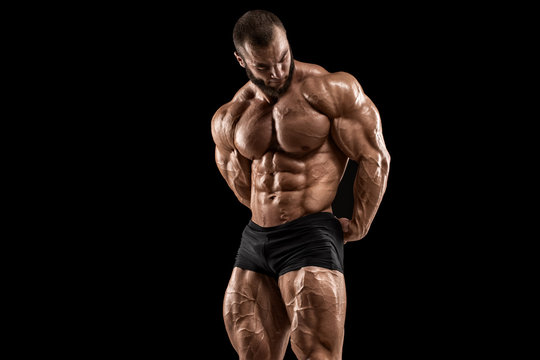
Training Focus
Resistance training should remain the foundation of a successful bulk. Progressive overload—gradually increasing training demands over time—is one of the most important principles for stimulating muscle growth.
Your program should include compound movements and isolation exercises designed to train all major muscle groups.
Macronutrients
Protein is essential for muscle repair and growth. A common evidence-based target for people who lift weights is approximately 1.6–2.2 grams of protein per kilogram of body weight per day, although individual requirements can vary.
Carbohydrates provide energy for demanding workouts, while dietary fats support overall health and normal hormone function.
Rather than obsessing over an exact percentage split, focus on meeting your protein needs, consuming enough carbohydrates to support training, and including healthy sources of dietary fat.
Length
Bulking phases can last several months or longer. The appropriate length depends on your starting body composition, goals, rate of weight gain, and how comfortable you are with gaining body fat.
Key Tips for Bulking
Prioritize Quality Nutrition
A common mistake is assuming that anything goes during a bulk. While eating pizza, burgers, and desserts can technically help you reach a calorie surplus, relying heavily on highly processed foods may make it harder to maintain good nutrition.
A better approach is to build most of your diet around nutrient-dense foods such as lean meats, fish, eggs, dairy products, whole grains, fruits, vegetables, legumes, nuts, and healthy oils.
You can still enjoy your favorite foods. The goal is balance rather than perfection.
Monitor Your Progress
Don’t judge your bulk solely by the number on the scale. Monitor your body weight, strength, gym performance, measurements, progress photos, and overall body composition.
If your weight is increasing rapidly but your strength and muscle measurements aren’t improving, you may be gaining more fat than necessary.
Keep Cardio in Your Routine
Cardiovascular exercise doesn’t automatically interfere with muscle growth. In moderation, cardio can support cardiovascular fitness, work capacity, and general health.
The key is to manage your total training volume and ensure that cardio doesn’t interfere with recovery from resistance training.
Cutting Phase: The Big Reveal
Cutting is the process of intentionally consuming fewer calories than your body burns in order to reduce body fat.
While bulking is about building the physique, cutting is about revealing it.
The challenge is losing fat while preserving as much muscle and strength as possible. This requires a combination of appropriate calorie restriction, adequate protein intake, resistance training, and sufficient recovery.
Purpose
The primary goal of a cut is to reduce body fat while maintaining lean muscle mass.
Caloric Intake
A moderate calorie deficit is generally easier to maintain and may help preserve muscle and training performance better than an extremely aggressive diet.
A starting deficit of approximately 250–500 calories per day may be appropriate for some individuals, but the ideal deficit depends on body size, activity level, starting body composition, and rate of weight loss.
Training Focus
Continue resistance training during a cut. One of the biggest mistakes people make is drastically reducing weight-training intensity because they are eating fewer calories.
Your body needs a reason to maintain muscle. Resistance training provides that stimulus.
You may need to reduce overall training volume if recovery becomes difficult, but maintaining challenging resistance training is generally more important than simply performing endless high-repetition workouts.
Protein Intake
Protein becomes especially important during a calorie deficit because it can help support muscle retention and satiety.
Rather than relying on an arbitrary protein target based solely on body weight, consider your lean mass, total calorie intake, and individual circumstances. People with higher body-fat levels may not need to consume extremely high amounts of protein based on their total body weight.
Length
A cutting phase may last anywhere from several weeks to several months. The timeline depends on how much fat you want to lose and how aggressively you choose to diet.
Slower, sustainable fat loss is often easier to maintain than extreme crash dieting.
Key Tips for Cutting
Don’t Slash Calories Too Aggressively
Extreme calorie restriction may cause fatigue, poor gym performance, increased hunger, and difficulty maintaining muscle.
A successful cut should be challenging, but it shouldn’t leave you completely exhausted every day.
Continue Lifting Weights
Resistance training should remain a priority. Your goal during a cut is not necessarily to set personal records every week, but maintaining as much strength and performance as possible can be a positive sign that you’re preserving muscle.
Eat High-Volume Foods
Vegetables, fruits, lean proteins, potatoes, soups, and other high-volume foods can help you feel fuller while consuming fewer calories.
Fiber and adequate fluid intake can also help with satiety.
Manage Hunger
Hunger is normal during a calorie deficit, but there are strategies that can make it easier to manage.
Eating protein at each meal, choosing high-fiber foods, drinking enough fluids, getting adequate sleep, and maintaining consistent meal timing may all help.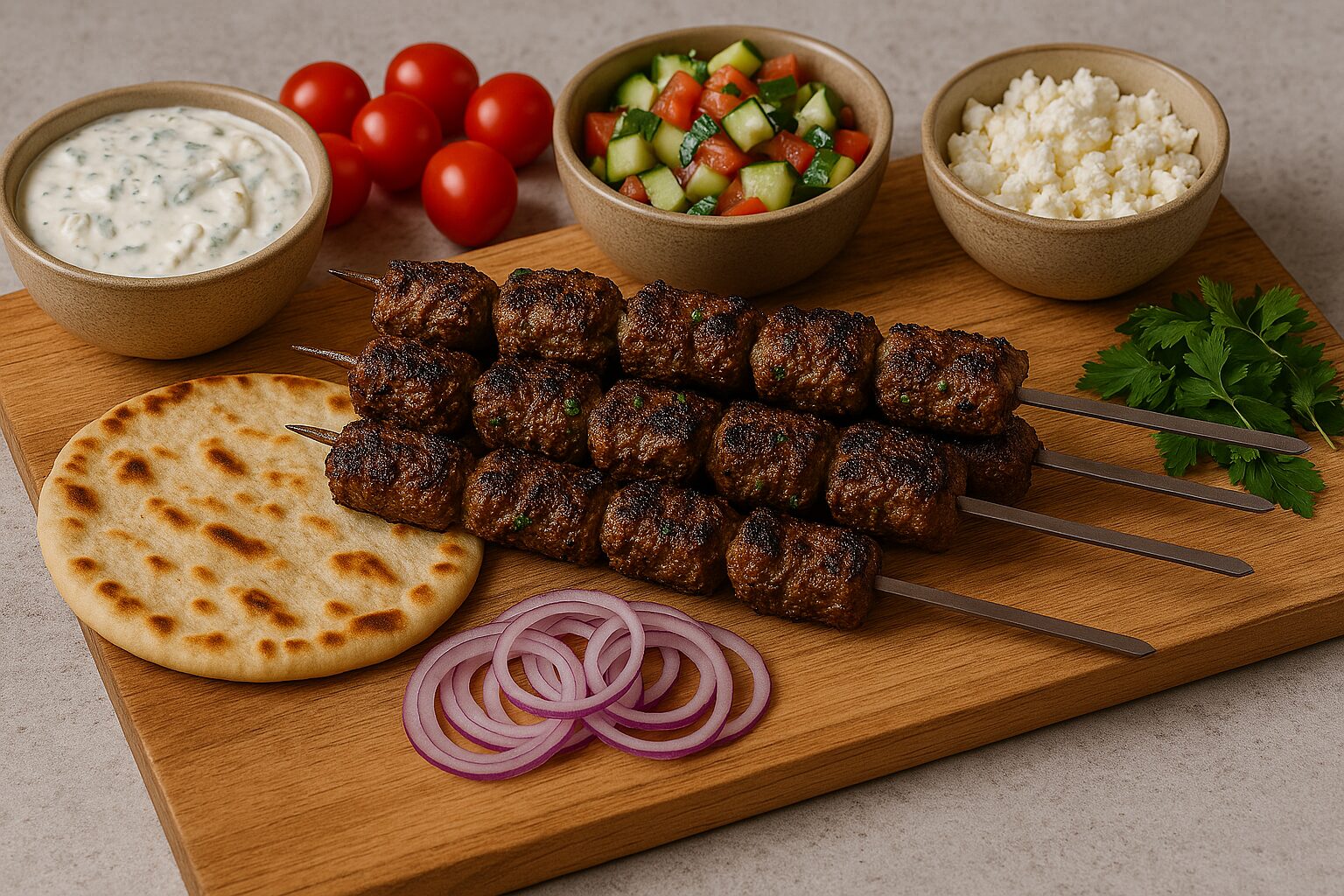
The Key Differences
| Aspect | Bulking | Cutting |
|---|---|---|
| Caloric Intake | Calorie surplus | Calorie deficit |
| Primary Goal | Build muscle | Lose body fat |
| Main Focus | Growth and strength | Fat loss and muscle retention |
| Typical Duration | Several months or longer | Several weeks to several months |
| Protein | High | High |
| Carbohydrates | Often higher | Adjusted to calorie needs |
| Training | Progressive resistance training | Maintain resistance training |
| Main Challenge | Limiting unnecessary fat gain | Preserving muscle and managing hunger |
The biggest difference is energy balance. During a bulk, you intentionally consume more energy than you expend. During a cut, you consume less.
However, both phases require adequate protein and resistance training.
Common Bulking Problems
One of the most common mistakes is overeating. Some people assume that the more calories they consume, the more muscle they will build. Unfortunately, muscle growth doesn’t increase indefinitely as calorie intake rises.
Excessive calorie consumption can lead to unnecessary fat gain, making the eventual cutting phase longer and more difficult.
Another problem is “dirty bulking,” where individuals consume large amounts of fast food and highly processed foods because they believe nutrition quality doesn’t matter during a bulk.
A third challenge is psychological. Some people struggle with watching their body-fat percentage increase, even when the process is intentional.
The solution is to use a controlled approach and monitor progress regularly.
Common Cutting Problems
Cutting presents its own challenges.
Eating too little can cause excessive fatigue, reduced training performance, and difficulty maintaining muscle mass.
Another common problem is relying too heavily on cardio while neglecting resistance training. Cardio can be useful for increasing energy expenditure, but it should complement—not replace—strength training.
Hunger and cravings can also derail progress. A sustainable diet should allow some flexibility rather than requiring perfect adherence every day.
Finally, weight-loss plateaus are common. As body weight decreases, energy requirements may also decrease. If progress stalls for an extended period, calorie intake and activity levels may need to be reassessed.
Transitioning Between Phases
Moving from one phase to another should be approached strategically.
From Bulking to Cutting
When transitioning from a bulk to a cut, you generally need to move from a calorie surplus into a calorie deficit.
You don’t necessarily need a long transition period. Some people prefer to reduce calories gradually, while others move directly to their planned deficit.
Maintaining adequate protein and continuing resistance training should remain priorities.
From Cutting to Bulking
After completing a cut, moving immediately into a large calorie surplus isn’t always necessary.
A gradual increase in calorie intake can help you identify your new maintenance needs and establish a controlled surplus.
The term “reverse dieting” is often used to describe gradually increasing calories after a diet. While this approach may help some people psychologically or practically, it isn’t a magical way to prevent fat gain. Your body weight will ultimately be influenced by your overall energy balance.
What About Body Recomposition?
Not everyone needs to follow a traditional bulk-and-cut cycle.
Body recomposition refers to the process of gaining muscle while simultaneously losing body fat.
This approach may be particularly achievable for beginners, people returning to training after a break, individuals with higher body-fat levels, and some people who are able to optimize their nutrition and training.
However, recomposition is generally slower than focusing exclusively on gaining muscle or losing fat.
For advanced bodybuilders who are already highly muscular and relatively lean, simultaneously building significant muscle while losing substantial fat can become increasingly difficult.
Which Phase Should You Focus On?
The best approach depends on your current body composition and goals.
If you’re relatively lean but lack muscle mass, a controlled bulk may be appropriate.
If you have a higher level of body fat, beginning with a fat-loss phase may make sense.
If you’re somewhere in the middle, you may consider maintaining your weight while focusing on body recomposition.
Your training experience also matters. Beginners can often make significant improvements without aggressively bulking or cutting.
Bulking vs. Cutting: Which Is Harder?
The answer depends on the individual.
Bulking requires consistently eating enough food and accepting that some fat gain may occur. For people with low appetites, consuming enough calories every day can be difficult.
Cutting presents the opposite challenge. Hunger increases, food choices become more restricted, and gym performance may decline as the calorie deficit continues.
Both phases require discipline, patience, and consistency.
The most successful approach is usually the one you can maintain long enough to achieve meaningful results.
The Importance of Patience
One of the biggest mistakes in bodybuilding is expecting dramatic changes in a short period.
Muscle growth is a slow process. Even with excellent training and nutrition, you cannot build unlimited amounts of muscle in a few weeks.
Fat loss can happen faster, but aggressive dieting isn’t always the best approach. Sustainable progress requires time.
Instead of chasing rapid transformations, focus on measurable improvements over months and years.
Track your workouts, monitor your nutrition, take progress photos, and make adjustments when necessary.
Final Thoughts
Bulking and cutting are two sides of the bodybuilding coin. One focuses on creating the conditions for muscle growth, while the other focuses on reducing body fat to reveal the muscle underneath.
A successful bulk isn’t about eating everything in sight. A successful cut isn’t about starving yourself.
Both require a strategic approach to calories, protein, resistance training, recovery, and lifestyle habits.
Whether you choose to bulk, cut, or pursue body recomposition, consistency remains the foundation of progress.
Train hard. Eat intelligently. Recover properly. Monitor your results. Adjust your strategy when necessary.
And remember: building an impressive physique is a long-term project. Rome wasn’t built in a day—and neither are biceps.
CLICK HERE TO JOIN IN ON DISCUSSION
References
- International Society of Sports Nutrition (ISSN)
- Journal of the International Society of Sports Nutrition
- American College of Sports Medicine (ACSM)
- National Institutes of Health (NIH)
- Office of Dietary Supplements – NIH
- Academy of Nutrition and Dietetics
- National Academy of Sports Medicine (NASM)
- Mayo Clinic – Exercise and Fitness
- Harvard T.H. Chan School of Public Health – Nutrition Source
- Cleveland Clinic – Health and Fitness