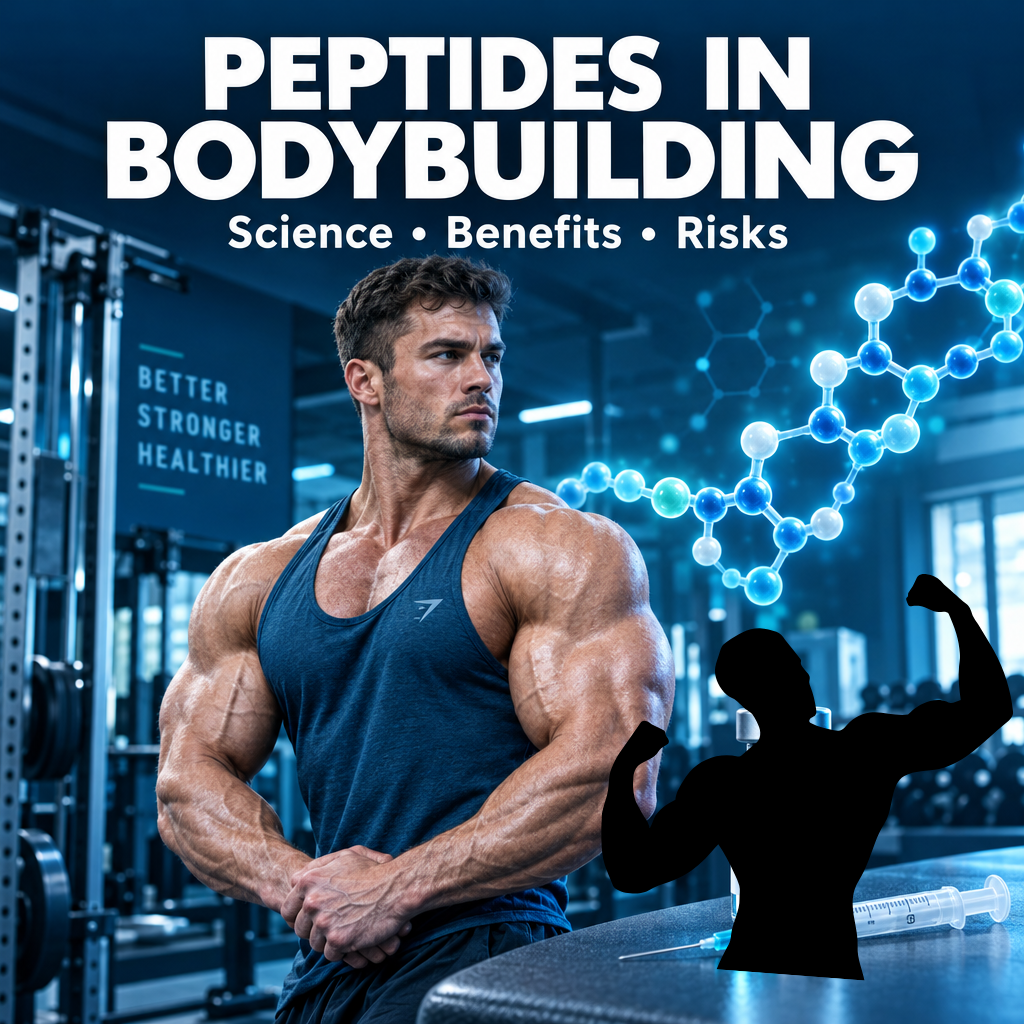
Are peptides the next frontier in bodybuilding, or are athletes taking risks before the science catches up? Peptides have become an increasingly discussed subject among bodybuilders, strength athletes, and fitness enthusiasts seeking improvements in muscle development, recovery, fat loss, and injury management.
From BPC-157 to CJC-1295 and ipamorelin, these compounds are frequently promoted online as tools for improving physical performance. Some have plausible biological mechanisms, and researchers are investigating their potential medical applications. However, the gap between promising laboratory findings and proven benefits in humans remains substantial.
Understanding what peptides actually do, what research supports their use, and what risks they may carry is essential for anyone following this developing area of performance enhancement.
What Are Peptides?
Peptides are short chains of amino acids, the same basic building blocks that make up proteins. The human body naturally produces numerous peptides that participate in processes such as hormone signaling, immune responses, metabolism, and tissue regulation.
Some peptides act as signaling molecules, instructing cells or organs to perform particular functions. Others influence the release of hormones or participate in biological pathways associated with inflammation and tissue repair.
In medicine, certain peptide-based drugs have established uses. However, the existence of medically useful peptides does not mean that every compound marketed to athletes is effective, safe, or approved for human treatment.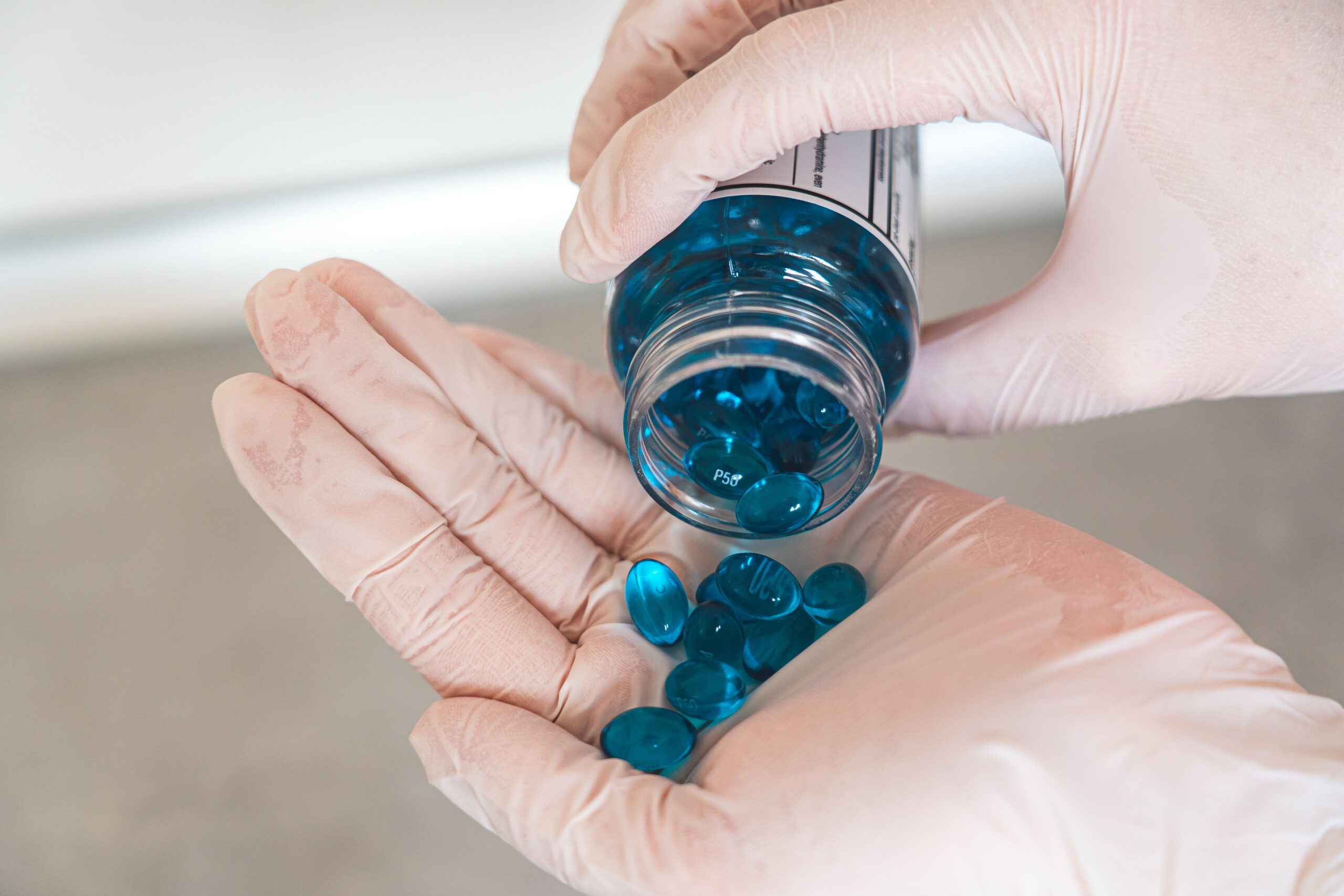
The bodybuilding market includes several distinct categories of compounds. Some influence growth hormone signaling, while others are experimental substances promoted for injury recovery or other potential effects.
These products should not be treated as interchangeable. Their mechanisms, evidence, regulatory status, and risks can differ considerably.
1. BPC-157: The Injury-Recovery Controversy
BPC-157 is one of the most frequently discussed experimental peptides in bodybuilding communities.
It is commonly promoted online for potential benefits involving tendons, ligaments, muscles, and other tissues. Athletes dealing with persistent aches or training-related injuries may find these claims particularly attractive because injuries can interrupt months of training progress.
Much of the interest comes from preclinical research, particularly experiments involving animals and laboratory models. These investigations have explored possible effects on tissue repair, inflammation, and biological processes associated with healing.
However, promising animal research does not establish that a substance will produce the same results in humans.
A 2026 review published in Pharmaceutics highlighted the substantial limitations of the available human evidence for BPC-157. The published human studies remain extremely small and do not provide the controlled clinical evidence needed to establish effectiveness for common bodybuilding injuries.
What does this mean for bodybuilders?
BPC-157 should not be considered a proven treatment for tendon damage, muscle tears, or joint injuries. Claims that it can rapidly repair damaged tissue go beyond what current human evidence establishes.
There is also insufficient information about its long-term safety, potential immune reactions, and the quality of products sold through unregulated channels.
For athletes hoping to return to training after an injury, proper diagnosis, rehabilitation, appropriate loading, and qualified medical care remain more dependable approaches than relying on experimental compounds.
2. CJC-1295 and Ipamorelin: Growth Hormone Signaling
Another category attracting attention involves peptides associated with growth hormone release.
CJC-1295 is a synthetic compound designed to influence growth hormone-releasing hormone signaling. Ipamorelin is a growth hormone secretagogue, meaning it stimulates pathways involved in growth hormone release.
These compounds are often discussed together because both relate to the body’s growth hormone system, although they act through different mechanisms.
Growth hormone has important physiological functions involving growth, metabolism, and body composition. This has encouraged interest in whether manipulating its release might benefit athletes seeking improved recovery, greater muscle development, or changes in body fat.
Nevertheless, changing a hormone signal does not automatically produce meaningful improvements in muscle size or athletic performance.
The relationship between growth hormone, muscle protein synthesis, fat metabolism, and physical performance is complex. Results depend on multiple factors, including the individual, the compound, and the outcome being measured.
There are also safety concerns. The US Food and Drug Administration (FDA) identifies limited safety information and potential risks associated with compounded CJC-1295 and ipamorelin. Its published information includes reports of increased heart rate and systemic vasodilatory reactions associated with CJC-1295, as well as concerns about impurities and immune reactions with certain peptide preparations.
These findings do not mean that every exposure produces harm. They do mean that the safety profile cannot simply be assumed to be favorable.
Bodybuilders should also recognize that compounds affecting growth hormone pathways are not equivalent to approved growth hormone treatments prescribed for established medical indications.
3. TB-500 and the Search for Faster Recovery
TB-500 is another name frequently encountered in discussions about experimental performance-enhancing compounds.
It is commonly associated with thymosin beta-4-related research and is marketed in some bodybuilding circles for potential effects on tissue repair and recovery.
Thymosin beta-4 is a naturally occurring peptide involved in biological processes that include cell movement and tissue responses. Research into its biological functions has generated interest in potential therapeutic applications.
However, the identity and composition of products sold as TB-500 can vary, and findings involving thymosin beta-4 or experimental derivatives should not automatically be applied to every product marketed under that name.
Evidence establishing that commercially sold TB-500 reliably accelerates human muscle or tendon recovery is lacking.
This distinction matters because athletes often encounter confident testimonials on forums and social media. A person reporting that an injury improved after using a peptide cannot establish that the compound caused the improvement. Natural healing, rehabilitation, reduced training loads, and other treatments may all contribute.
Without properly controlled clinical trials, it is difficult to separate a genuine treatment effect from coincidence or other explanations.
4. Can Peptides Build More Muscle or Burn More Fat?
Muscle growth is driven by several interacting factors, including progressive resistance training, sufficient nutrition, adequate protein intake, recovery, and the body’s hormonal environment.
Certain peptide-related compounds are being investigated for their effects on hormones or metabolic processes. That does not establish that they reliably increase muscle mass, improve strength, or reduce body fat in healthy bodybuilders.
Online marketing sometimes presents changes in growth hormone levels as if they directly translate into larger muscles or better physiques. In reality, a measurable hormonal response is not the same thing as a demonstrated improvement in body composition or performance.
The same caution applies to fat-loss claims. A compound’s influence on a biological pathway does not prove that it produces meaningful, sustained fat loss in humans.
For competitive bodybuilders, there is another consideration: even a substance that changes a laboratory measurement may offer little practical advantage if it does not improve training performance, recovery, or physique development.
At present, the evidence does not justify treating experimental peptides as reliable shortcuts to superior bodybuilding results.
5. The Real Risks of Unregulated Peptides
 One of the most important concerns surrounding the peptide market is product quality.
Products advertised online as research chemicals may not have undergone the same quality controls, manufacturing oversight, or clinical testing expected of approved medicines. The stated contents, purity, concentration, and sterility may be uncertain.
This is especially concerning for injectable products, where contamination or incorrect preparation can introduce additional hazards.
The FDA has identified several potential concerns involving particular compounded peptides, including immunogenicity, impurities, inadequate safety information, and serious adverse events associated with certain compounds.
The risks are substance-specific. It would be inaccurate to claim that all peptides are equally dangerous, but it is equally inaccurate to assume that all are safe simply because they are derived from amino acids.
Other concerns include:
- Unknown long-term effects: Many experimental compounds lack adequate long-term human safety data.
- Hormonal disruption: Compounds affecting endocrine pathways may have consequences beyond the intended effect.
- Contamination and mislabeling: Products obtained outside regulated supply chains may not contain what the label claims.
- Delayed medical treatment: Relying on an experimental compound may postpone proper diagnosis or treatment of an injury.
- Interactions: Combining multiple performance-enhancing substances can complicate the assessment of side effects and increase uncertainty.
Anyone experiencing an adverse reaction after using a peptide should seek appropriate medical care and disclose the substance involved.
6. Are Peptides Legal in Competitive Bodybuilding?
The answer depends on the specific compound, jurisdiction, and competition rules.
The World Anti-Doping Agency’s 2026 Prohibited List includes categories covering peptide hormones, growth factors, related substances, and mimetics. These categories include several growth hormone-releasing compounds and other substances relevant to performance enhancement.
Athletes subject to anti-doping rules should consult the current prohibited list and their governing organization’s regulations before using any substance. A compound being available online or described as a research chemical does not mean it is permitted in competition.
Legal status, prescription status, marketing authorization, and anti-doping eligibility are separate issues. A substance may be prohibited in sport even when its legal status differs between countries.
Competitive athletes should verify the status of the exact compound rather than relying on forum discussions, sellers, or claims that a product is undetectable.
7. What Should Bodybuilders Watch for Next?
The future of peptide research remains interesting. Scientists continue to investigate compounds that may eventually contribute to treatments for specific medical conditions, including problems involving metabolism, tissue repair, and hormonal regulation.
The important question is whether promising early findings can be reproduced in well-designed human clinical trials.
For experimental compounds such as BPC-157, stronger evidence would require adequately controlled studies measuring meaningful outcomes, documenting adverse effects, and establishing appropriate dosing and safety parameters for specific medical uses.
Research into growth hormone-related compounds must similarly establish whether potential benefits outweigh the risks in clearly defined populations.
Until that evidence becomes available, bodybuilders should distinguish between scientific investigation, anecdotal experience, commercial promotion, and established medical treatment.
The Bottom Line
Peptides have become a major talking point in performance-enhancement discussions because they offer the possibility of influencing biological processes involved in recovery, hormones, and metabolism.
Some peptide-based medicines have legitimate medical applications, and experimental compounds deserve scientific investigation. But that does not mean that every product promoted in bodybuilding circles delivers the benefits advertised.
BPC-157 has not been established as a reliable human injury treatment. Claims surrounding TB-500 remain inadequately supported, and growth hormone-related peptides raise important questions about both effectiveness and safety.
For now, the most reliable foundation for bodybuilding progress remains consistent training, appropriate nutrition, adequate sleep, and evidence-based injury management.
The real breakthrough in peptide research will not be another online success story. It will be credible human evidence showing which compounds work, for whom, and at what risk.
CLICK HERE TO JOIN IN ON THE DISCUSSION IN OUR FORUMS
References
- U.S. Food and Drug Administration — Certain Bulk Drug Substances for Use in Compounding That May Present Significant Safety Risks.
https://www.fda.gov/drugs/human-drug-compounding/certain-bulk-drug-substances-use-compounding-may-present-significant-safety-risks - Pharmaceutics (2026) — BPC-157 as an Investigational Peptide Therapeutic: Biopharmaceutical Challenges, Formulation Strategies, and Translational Development Barriers.
https://www.mdpi.com/1999-4923/18/5/625 - World Anti-Doping Agency — Prohibited List.
https://www.wada-ama.org/en/prohibited-list - Endotext — Performance Enhancing Hormone Doping in Sport.
https://www.ncbi.nlm.nih.gov/books/NBK305894/
Editorial note: This article is for informational purposes and is not medical advice. Experimental peptides should not be considered established treatments for bodybuilding injuries or performance enhancement.