Weightlifting is a discipline that demands not only strength and technique but also trust. For many lifters, a good spotter is the difference between a successful lift and a potential injury. Spotting isn’t just about standing nearby; it’s an active role that ensures safety, builds confidence, and fosters a supportive gym environment. Here’s why being a good spotter is essential in weightlifting and how to excel in this vital role.
Why Spotting Matters
- Safety First
- A spotter’s primary role is to prevent injuries.
- Heavy lifts like bench presses, squats, and overhead presses pose risks if the lifter loses control or struggles with the weight.
- Boosts Confidence
- Knowing someone is there to assist allows lifters to push their limits without fear of failure.
- This support encourages progress by enabling heavier lifts or more reps.
- Improves Technique
- A spotter can provide cues to correct form, helping lifters develop better habits.
- Strengthens Partnerships
- Spotting fosters camaraderie, creating a sense of trust and teamwork in the gym.
 The Qualities of a Good Spotter
1. Focused Attention
- Always keep your eyes on the lifter and the bar.
- Avoid distractions like phones or chatting during the lift.
2. Clear Communication
- Discuss the lifter’s plan before starting (e.g., how many reps or when to assist).
- Use verbal cues like “All you” or “I’ve got it” to provide guidance and reassurance.
3. Quick Reflexes
- Be ready to act if the lifter struggles unexpectedly.
- Anticipate signs of fatigue or imbalance, and step in before it becomes dangerous.
4. Proper Technique
- Know how to assist without risking your own safety.
- Position yourself to provide effective support while maintaining good posture.
5. Encouragement
- Motivate the lifter with positive reinforcement, but avoid shouting or distracting them.
Spotting Techniques for Common Lifts
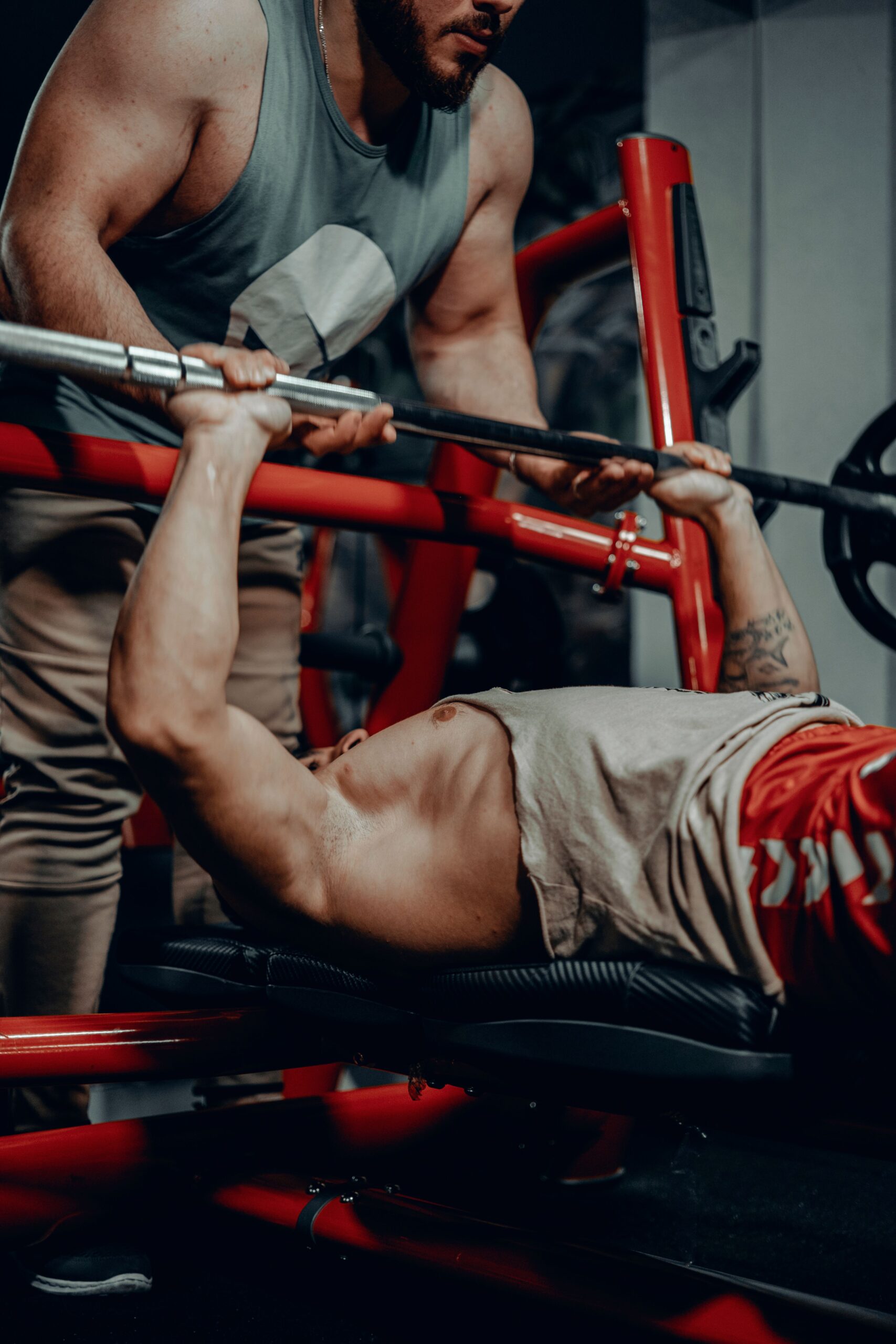
1. Bench Press
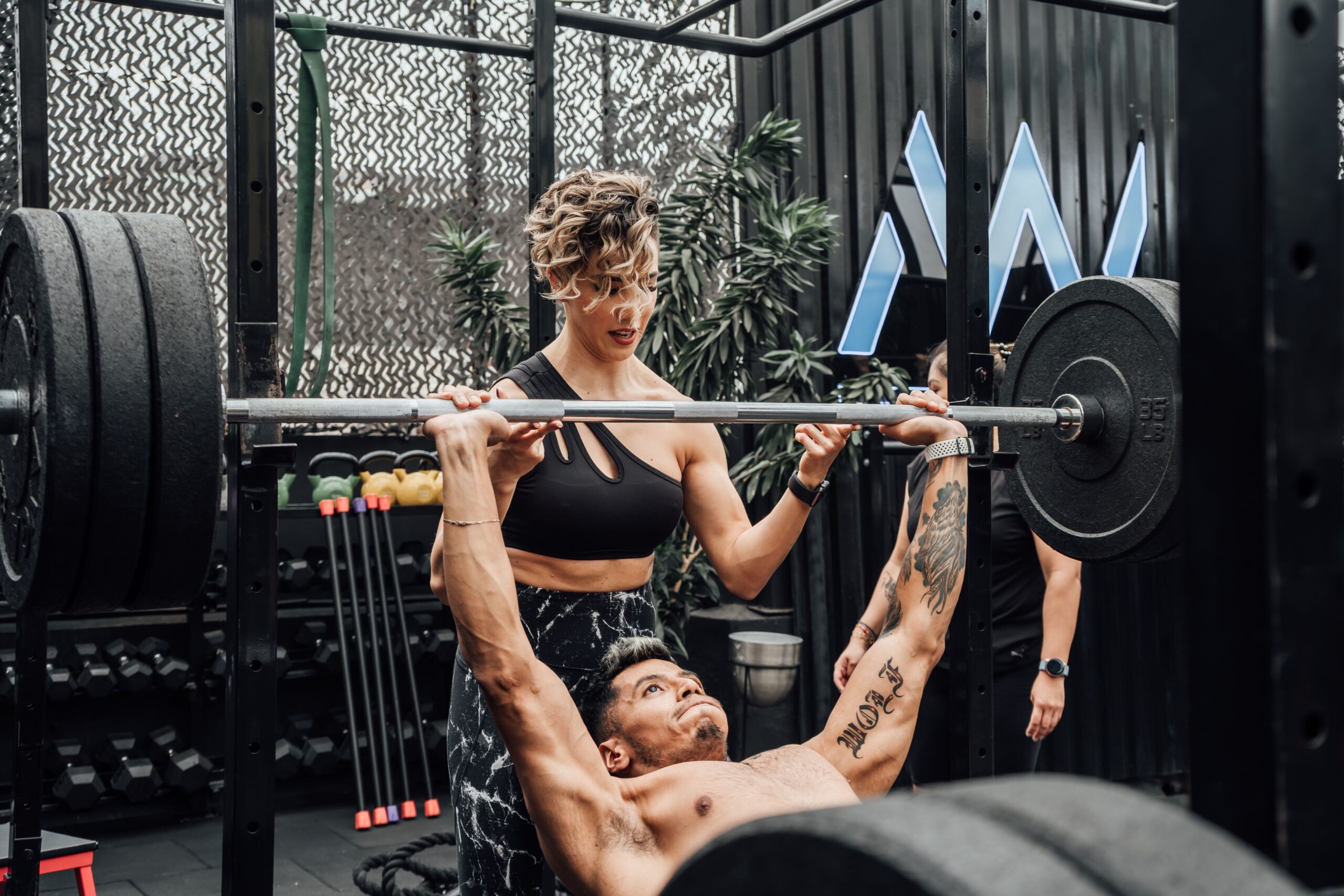
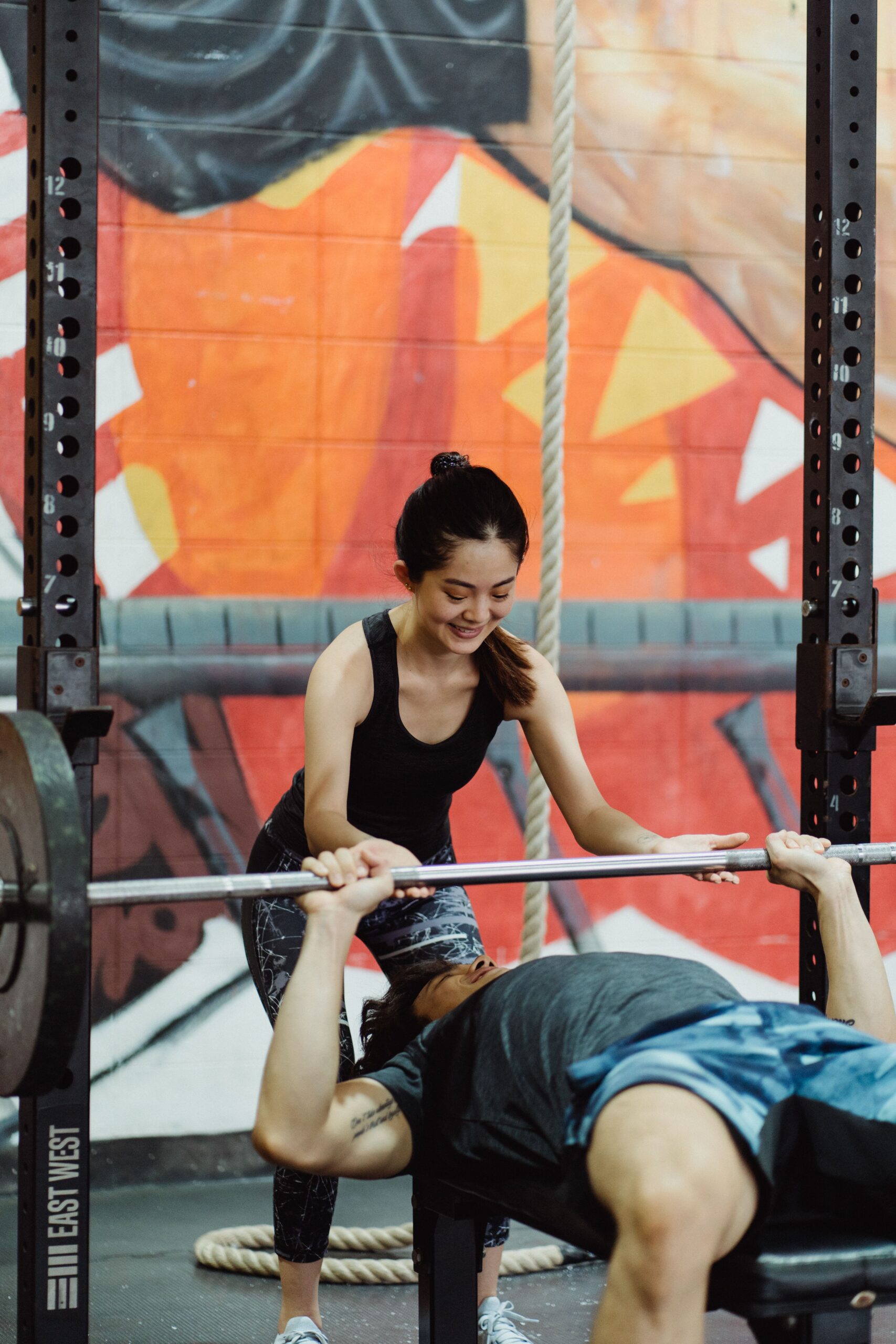
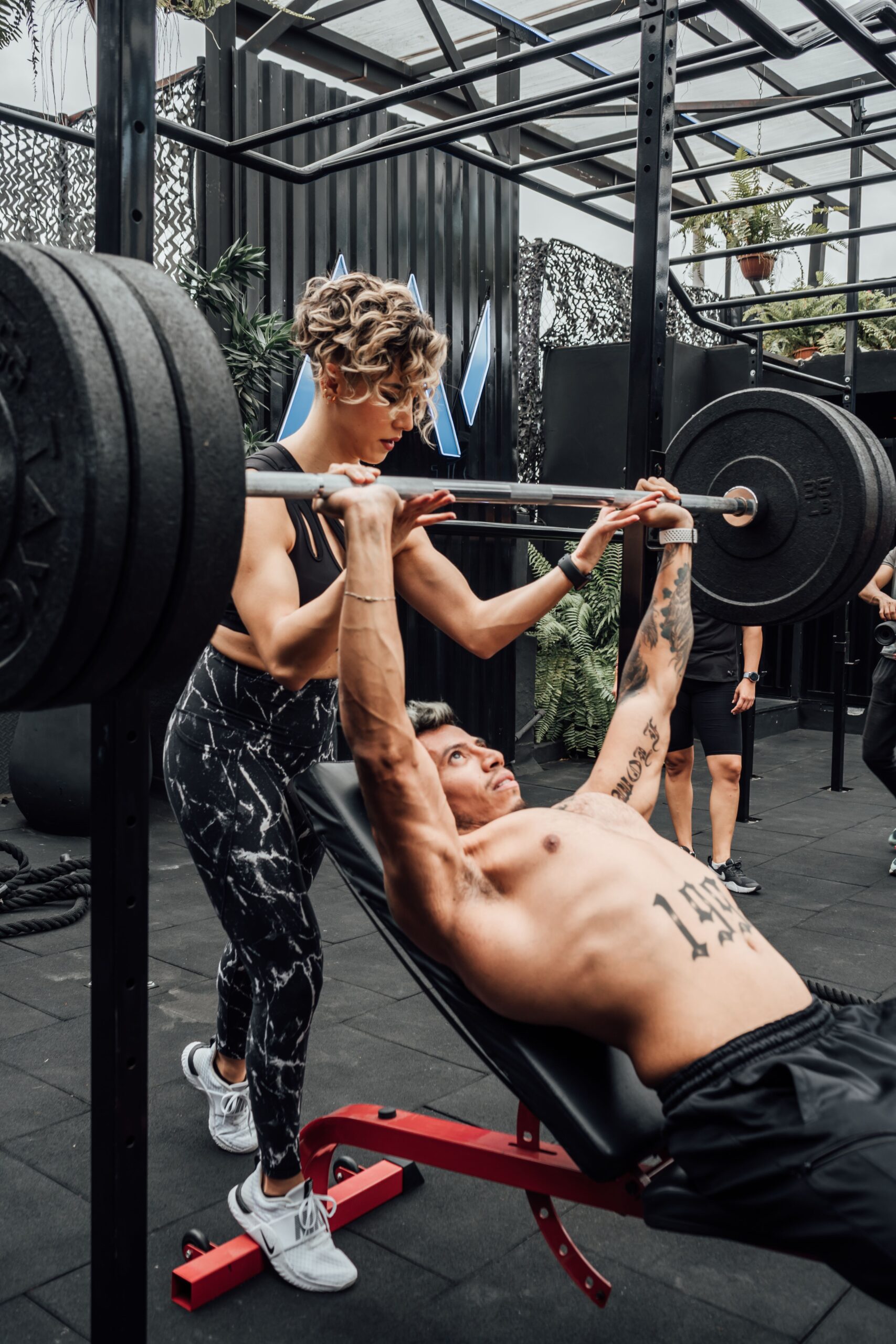
- Position: Stand behind the lifter’s head, gripping the bar with an alternating or overhand grip.
- How to Assist:
- Help unrack and rack the bar if needed.
- Hover your hands under the bar without touching unless the lifter signals for help.
- Step in quickly if the bar stalls or begins to descend uncontrollably.
2. Squat
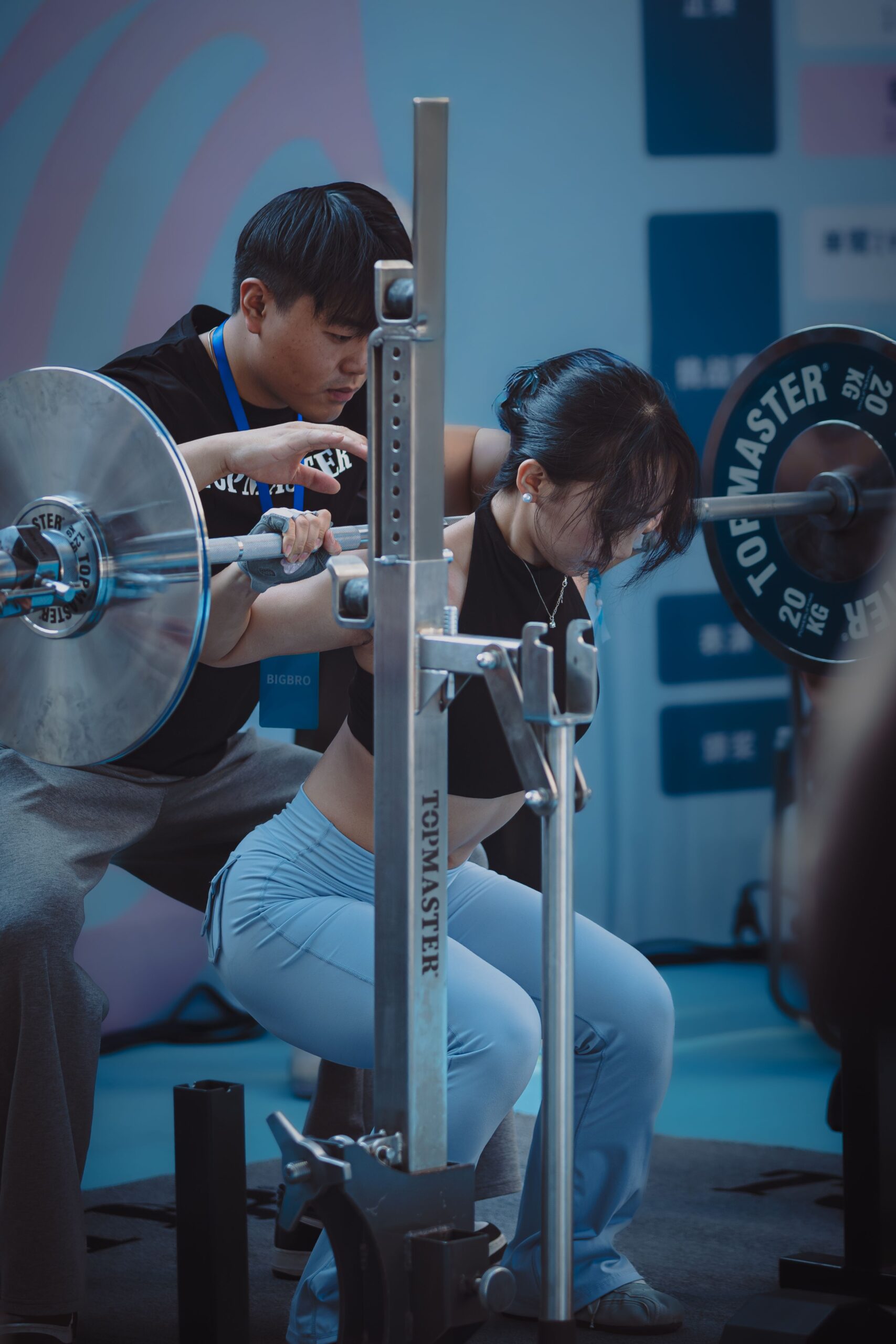
- Position: Stand directly behind the lifter with arms ready to support their torso if they fail.
- How to Assist:
- Stay close but not intrusive.
- If the lifter struggles, support them by lifting their torso or guiding the bar back to the rack.
- In heavier squats, multiple spotters may be needed (one on each side and one behind).
3. Overhead Press
- Position: Stand behind the lifter, ready to grab the barbell if it begins to fall.
- How to Assist:
- Use an overhand grip to guide the bar safely back to the rack if needed.
- Avoid touching the bar unless absolutely necessary.
4. Dumbbell Lifts (Bench or Shoulder Press)
- Position: Stand behind the lifter’s shoulders.
- How to Assist:
- Support the lifter’s wrists (not the elbows) during the lift.
- Help them lift the dumbbells into position and guide them down if needed.
 Tips for Effective Spotting
- Communicate Before Each Lift
- Ask about the lifter’s preferred level of assistance and establish signals for when they need help.
- Understand Your Role
- A spotter is there to assist, not lift the weight for the lifter. Only intervene when necessary.
- Stay Neutral
- Avoid coaching unless the lifter asks for feedback. Focus on spotting, not instructing.
- Be Physically Prepared
- Ensure you’re strong enough to handle the weight if the lifter fails.
- Use proper lifting mechanics to avoid injuring yourself.
- Stay Calm Under Pressure
- React swiftly but calmly to any issues, ensuring both you and the lifter remain safe.
What Happens Without a Good Spotter?
Lack of proper spotting can lead to:
- Injuries: Strained muscles, crushed fingers, or worse if the lifter loses control.
- Loss of Confidence: Fear of failure can limit a lifter’s progress.
- Damaged Equipment: Dropped weights can break gym equipment and create a hazardous environment.
The Spotter-Lifter Relationship
Being a good spotter isn’t just about physical assistance—it’s about building trust and mutual respect. As a spotter:
- Be dependable and show up ready to support.
- Provide encouragement without pressuring the lifter to exceed their limits.
- Celebrate successes together, fostering a sense of shared achievement.
Conclusion: The Power of Partnership
Spotting is an essential skill in weightlifting, ensuring safety, boosting confidence, and enhancing performance. By mastering spotting techniques and cultivating trust with your lifting partner, you’ll not only improve their experience but also create a positive and supportive gym culture. Remember, in weightlifting and in life, success is often a team effort.
CLICK HERE TO JOIN IN ON THE DISCUSSION!
- National Strength and Conditioning Association (NSCA) – Resistance Training Safety Guidelines
- American College of Sports Medicine (ACSM) – Resistance Training Position Stands
- ExRx.net – Spotting Techniques for Weight Training
- Mayo Clinic – Strength Training: Get Stronger, Leaner, Healthier
- ACE (American Council on Exercise) – Strength Training Resources
- BarBend – Strength Training and Lifting Technique Articles
- USA Weightlifting – Athlete Education and Coaching Resources