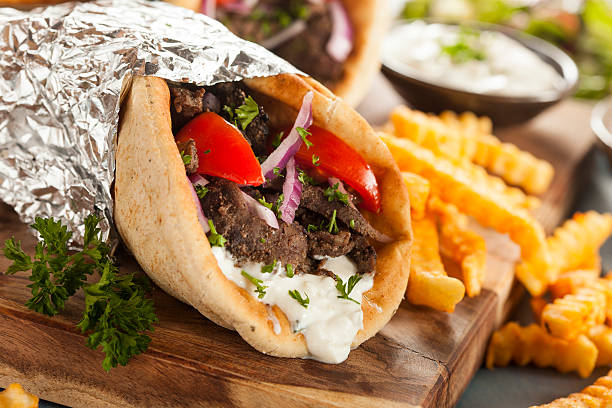
There’s something undeniably magical about the first bite of a Greek lamb gyro. The soft, warm pita cradling tender,
Beautiful Greek islands laguna
spiced lamb, with cool tzatziki, crisp onions, juicy tomatoes, and a sprinkle of fresh herbs—every bite tells a story. It’s the kind of meal that satisfies your hunger and stirs your soul. But beyond the plate, gyros have a rich history and an evolving role in the lives of food lovers and athletes around the world.

The Origins of the Gyro
The word gyro (pronounced “yee-roh”) comes from the Greek word for “turn,” referencing the way the meat is cooked—slow-roasted on a vertical rotisserie. Though the modern gyro has roots in Greece, its lineage stretches back centuries through Middle Eastern and Mediterranean traditions. Shawarma from the Arab world and Turkish döner kebab both influenced the Greek adaptation. In the 1920s, as Greek immigrants fled Asia Minor and settled in Greece, they brought these meaty techniques with them. Over time, the Greek version evolved into what we now know as the gyro: lamb or pork shaved from a spit, served in a fluffy pita, and topped with creamy tzatziki.
A Global Phenomenon

In the 1960s and 70s, gyros made their way to America through Greek diners in Chicago and New York, quickly becoming a staple in street food culture. Today, gyros are adored worldwide, with variations popping up in places like London, Sydney, and Tokyo. Each version may tweak the seasoning or the sauce, but the essence remains the same: bold, balanced flavor in a handheld wrap.
Whether served from a food truck, a high-end bistro, or a family kitchen, gyros carry universal appeal. The balance of protein, carbs, fat, and vegetables makes it an all-in-one meal that feels indulgent but can be quite nourishing when made with quality ingredients.
A Healthy Option for Athletes

Warm waters are enjoyed
Lamb is rich in iron, zinc, and B vitamins, particularly B12, which is essential for energy production and muscle recovery. It’s also packed with high-quality protein, which supports muscle growth and repair—ideal for athletes and active individuals. The addition of Greek yogurt-based tzatziki adds probiotics for gut health, while tomatoes and onions offer antioxidants and vitamin C.
Swap in whole wheat pita for extra fiber, go heavy on the veggies, and you’ve got a nutrient-dense meal that’s both satisfying and performance-friendly. Unlike overly processed fast food, a well-crafted gyro can deliver clean fuel to power your workouts and recovery.
The Perfect Greek Lamb Gyro Recipe
Ingredients
For the lamb:
- 1 lb boneless leg of lamb, thinly sliced
- 3 cloves garlic, minced
- 1 tbsp olive oil
- 1 tsp oregano
- 1 tsp ground cumin
- 1 tsp paprika
- Juice of 1 lemon
- Salt and pepper to taste
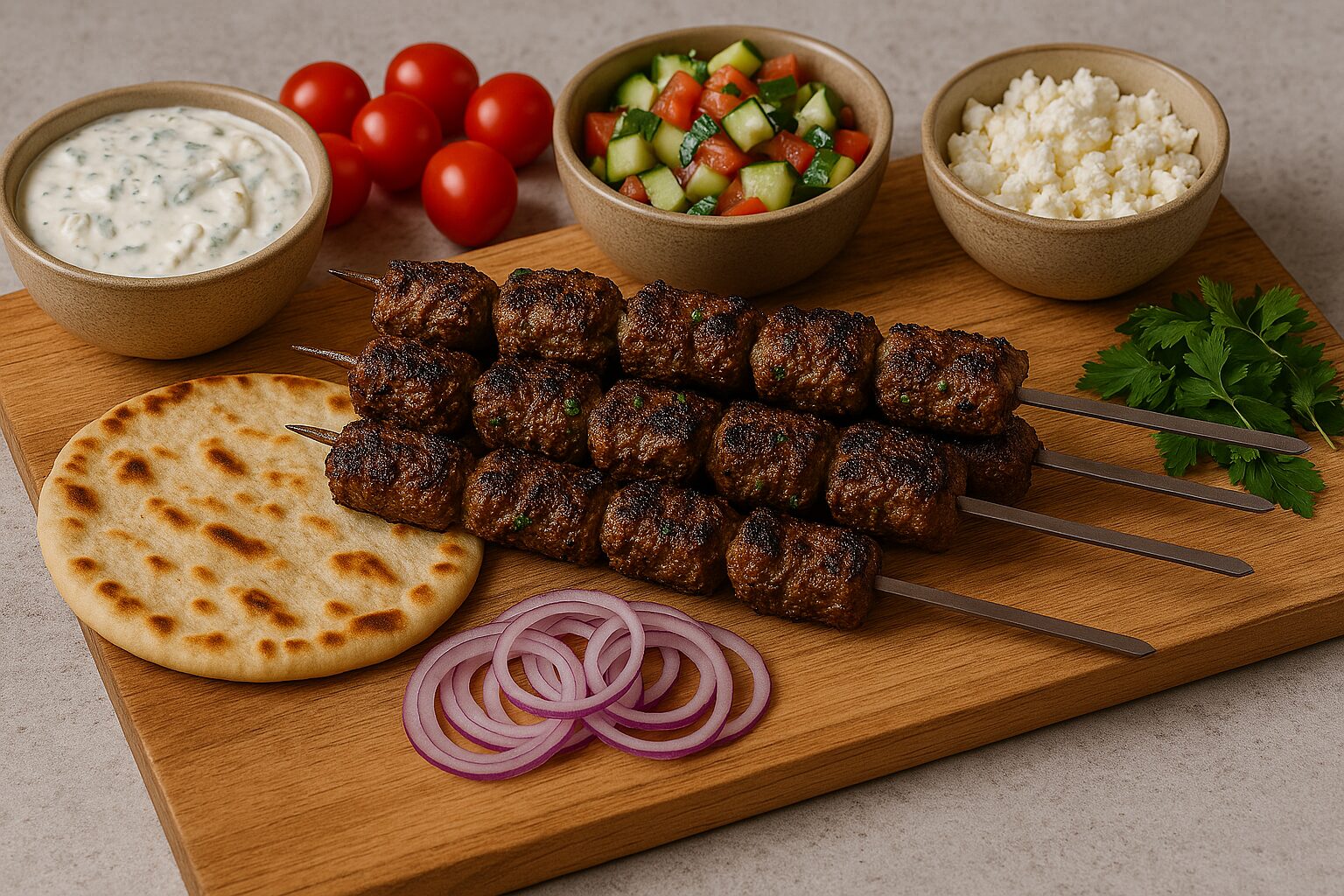
For serving:
- Warm pita bread
- Tzatziki sauce (Greek yogurt, cucumber, garlic, dill, lemon juice)
- Sliced red onion
- Diced tomato
- Fresh parsley
Instructions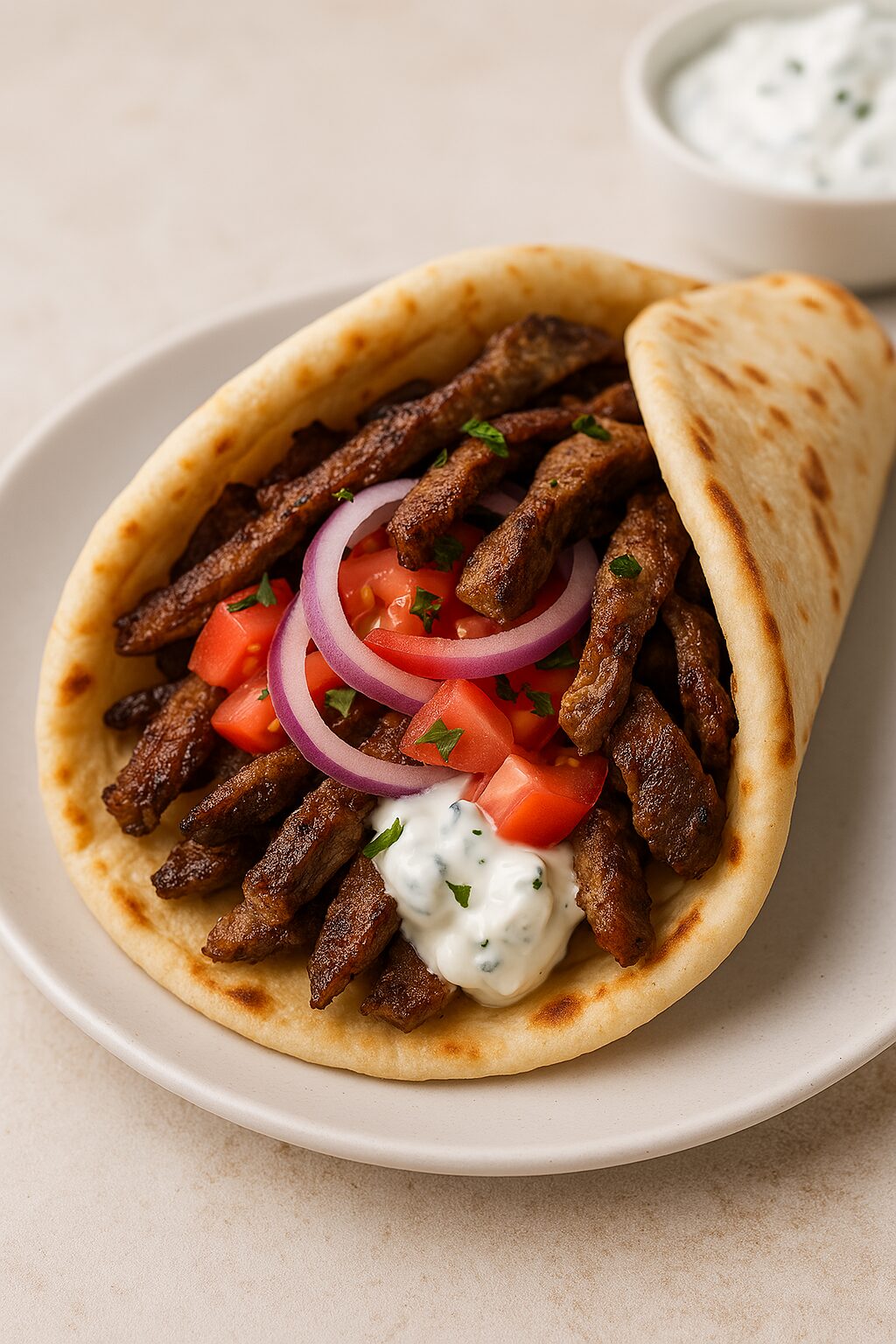
- In a bowl, combine lamb slices with garlic, olive oil, lemon juice, and spices. Let marinate at least 1 hour, preferably overnight.
- Heat a skillet or grill pan over medium-high heat. Sear lamb until cooked through and slightly crispy on the edges.
- Warm pita bread and spread a generous spoonful of tzatziki down the center.
- Add cooked lamb, onion, tomato, and parsley.
- Wrap tightly and serve warm.
You can meal-prep these ingredients for the week, making it easy to throw together a quick, flavorful lunch or post-workout dinner that doesn’t compromise on health or taste.
Gyros may have started as humble street food, but they’ve become an international icon of accessible, delicious nourishment. Whether you’re chasing gains in the gym or just chasing flavor, the Greek lamb gyro delivers.
Andrews, C. (2020). The complete Greek cookbook: Classic recipes from the heart of the Mediterranean. Rockridge Press.
Davidson, A. (2014). The Oxford companion to food (3rd ed.). Oxford University Press.
Kremezi, A. (2009). Mediterranean Hot: Spicy Recipes from Southern Italy, Greece, Turkey and North Africa. Stewart, Tabori & Chang.
Mirmiran, P., Yuzbashian, E., Asghari, G., Sarrafzadegan, N., & Azizi, F. (2015). Dietary fibre intake in relation to the risk of incident cardiovascular disease in Tehran Lipid and Glucose Study. Nutrition & Metabolism, 12(1), 38. https://doi.org/10.1186/s12986-015-0032-0
U.S. Department of Agriculture. (2023). FoodData Central. https://fdc.nal.usda.gov
Greek Lamb Gyro Deliciousness
Greek Lamb Gyro Deliciousness