Protein is one of the most important nutrients in bodybuilding. Whether the goal is gaining muscle, maintaining muscle while losing fat, or recovering from hard training, protein provides the raw materials the body needs to repair and build muscle tissue.
But protein is also one of the most misunderstood parts of bodybuilding nutrition. More protein is not automatically better. Eating enormous amounts will not magically create more muscle, and protein cannot compensate for poor training, inadequate calories, insufficient sleep, or an inconsistent diet.
The real advantage comes from understanding how much protein you need, when to eat it, and how to distribute it throughout the day.
Protein Is the Building Material
Muscle tissue is constantly being broken down and rebuilt. Resistance training increases the need for repair and adaptation, while adequate nutrition supplies the materials necessary for that process.
Protein is made up of amino acids. Some amino acids can be produced by the body, while others—known as essential amino acids—must come from food.
Among these, leucine is particularly important because it plays a major role in stimulating muscle protein synthesis, the process through which the body builds new muscle proteins.
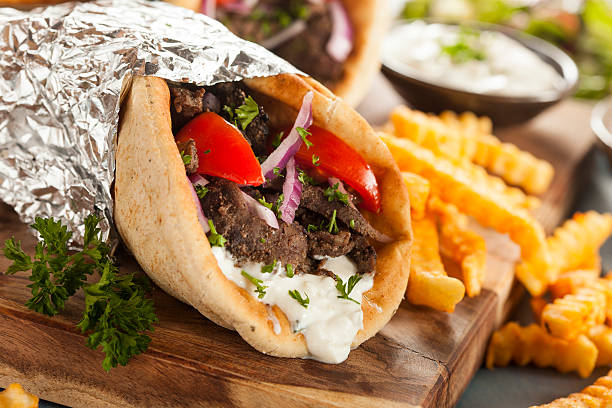
This is why bodybuilders pay so much attention to protein-rich foods such as chicken, beef, fish, eggs, dairy products, and protein supplements.
Training provides the stimulus.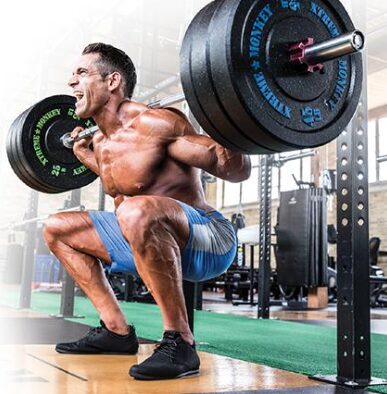
Protein provides essential raw materials.
Recovery allows the adaptation to take place.
That combination is the foundation of muscular development.
Protein and Muscle Protein Synthesis
One of the central concepts in bodybuilding nutrition is muscle protein synthesis (MPS).
After resistance training, the body increases its production of muscle proteins. Consuming sufficient high-quality protein supplies amino acids that can support this process.
Muscle growth occurs when muscle protein synthesis exceeds muscle protein breakdown over time.
That does not mean every meal produces visible muscle growth. Building muscle is a long-term process involving thousands of individual recovery periods, workouts, and meals.
The goal is to create an environment where the body consistently has the resources necessary to recover and adapt.
This is one reason why experienced bodybuilders generally think about protein intake across the entire day rather than obsessing over one particular meal.
How Much Protein Do Bodybuilders Need?
There is no single protein number that applies to every athlete.
Protein requirements can change depending on body weight, training experience, total calorie intake, age, and whether someone is trying to gain muscle or lose body fat.
Research involving resistance-trained individuals generally supports daily protein intake in the approximate range of 1.6 grams per kilogram of body weight per day as a useful target for maximizing muscle-related adaptations for many people.
For a 90-kilogram bodybuilder, that would be approximately:
 90 × 1.6 = 144 grams of protein per day.
Some athletes consume considerably more than this, particularly during aggressive dieting phases. However, increasing protein indefinitely does not produce an equivalent increase in muscle growth.
The important point is that protein should be viewed as part of a complete nutrition strategy rather than a competition to see who can eat the most chicken breasts.
Protein Becomes Especially Important During a Cut
Protein takes on another important role when a bodybuilder is dieting.
During a calorie deficit, the body has less energy available. The goal of a bodybuilding cut is to reduce body fat while preserving as much muscle as possible.
Resistance training remains essential, but adequate protein can also help support the retention of lean mass.
Higher protein intake can also increase satiety, meaning protein-rich meals may help athletes feel fuller while consuming fewer calories.
This is particularly useful during contest preparation, when hunger can become one of the biggest challenges.
A diet consisting primarily of highly processed foods can make calorie control difficult. Meals centered around lean protein, vegetables, fruit, whole grains, and other nutrient-dense foods can make a cutting diet considerably easier to manage.
Protein Does Not Build Muscle by Itself
This is where bodybuilding nutrition often gets oversimplified.
Eating protein does not automatically create muscle.
If someone consumes 200 grams of protein every day but performs no meaningful resistance training, there is little reason to expect dramatic increases in muscle mass.
The training stimulus matters.
Progressive resistance training tells the body that stronger and larger muscles are useful.
Protein supplies amino acids.
Adequate energy and other nutrients support the overall process.
Sleep and recovery provide time for adaptation.
Remove one of those pieces and the results can suffer.
Protein is extremely important—but it is not magic.
Whole Foods vs. Protein Supplements
Bodybuilders have access to an enormous variety of protein supplements, including whey, casein, egg, soy, and plant-based protein powders.
These products can be convenient, but they are supplements—not replacements for a quality diet.
Whole foods provide protein along with other nutrients.
For example, eggs provide protein plus fats, vitamins, and minerals. Fish provides protein and, depending on the species, omega-3 fatty acids. Dairy products can provide protein and calcium. Meat provides protein along with nutrients such as iron, zinc, and vitamin B12.
Protein powder has a different advantage: convenience.
A scoop of whey protein can be quickly mixed with water or milk after training, during work, or when preparing a meal is impractical.
For a busy bodybuilder, that convenience can make it easier to consistently hit a daily protein target.
Protein Timing: Does It Matter?
Bodybuilders have spent decades debating the perfect time to consume protein.
The reality is more straightforward.
Total daily protein intake matters enormously.
Once daily intake is sufficient, distributing protein across several meals can also be a practical strategy for repeatedly providing amino acids and stimulating muscle protein synthesis throughout the day.
Instead of consuming almost all of the day’s protein at dinner, an athlete might distribute it across breakfast, lunch, a pre- or post-training meal, and dinner.
For example:
Breakfast: 30 grams
Lunch: 35 grams
Post-training meal: 35 grams
Dinner: 40 grams
That produces approximately 140 grams for the day.
There is nothing magical about those exact numbers. The important concept is consistency and distribution.
What About Protein Before Bed?

Another popular bodybuilding strategy is consuming protein before sleep.
Slowly digested protein sources such as casein have been studied for their ability to provide amino acids during the overnight period.
A protein-containing evening meal or snack can therefore be a practical way of contributing to total daily protein intake.
But again, there is no need to turn bedtime protein into a bodybuilding superstition.
If an athlete already meets their protein requirements through normal meals, adding another enormous protein shake at midnight is unlikely to transform their physique.
Protein Quality Matters
Not all proteins are identical.
Different foods contain different amounts and combinations of essential amino acids, and proteins vary in digestibility.
Animal proteins such as dairy, eggs, meat, and fish are generally considered high-quality protein sources because they provide all the essential amino acids in useful proportions.
Plant proteins can also contribute significantly to muscle-building diets.
Beans, lentils, soy, peas, nuts, seeds, and grains can all contribute protein. People following predominantly plant-based diets can meet their protein needs by consuming adequate quantities and using a variety of protein sources.
Soy, for example, is a complete protein and can be particularly useful in plant-based bodybuilding diets.
The bigger picture is simple: the quality and quantity of protein both matter.
Protein and Recovery
Hard training creates fatigue and places stress on the body.
Recovery is when the body repairs the damage and adapts to the training stimulus.
Protein is therefore closely connected to recovery.
But recovery requires more than protein.
Carbohydrates can help replenish muscle glycogen and support training performance. Dietary fats are important for normal physiological functions. Vitamins and minerals support numerous processes throughout the body. And sleep remains one of the most important recovery tools available to an athlete.
A bodybuilder who eats enormous amounts of protein but consistently sleeps five hours per night should not expect protein alone to solve the problem.
Nutrition works as a system.
The Biggest Protein Mistakes
One common mistake is believing that extremely high protein intake automatically means extremely high muscle growth.
Another is relying almost entirely on shakes and bars instead of building meals around nutritious foods.
A third mistake is ignoring calories.
If the goal is gaining muscle, adequate energy is important. If the goal is losing fat, a calorie deficit is necessary.
Protein cannot override energy balance.
Another mistake is inconsistency. Eating 180 grams of protein one day and 60 grams the next is less useful than establishing a realistic intake that can be maintained every day.
Finally, some bodybuilders become so focused on protein that they neglect carbohydrates and fats. That can negatively affect training performance, energy intake, and overall diet quality.
The Bottom Line
Protein matters because muscle is made from protein, and resistance training creates a physiological demand for repair and adaptation.
For bodybuilders, adequate protein supports the process of building and maintaining lean muscle, particularly when combined with progressive resistance training and appropriate calorie intake.
But the bodybuilding world does not need another myth about a magical protein number.
You do not need to consume absurd quantities.
You need enough protein, consistently, from quality sources, as part of an intelligently designed diet.
Train hard.
Eat intelligently.
Recover properly.
Give the process time.
That is how protein becomes useful—not as a miracle supplement, but as one of the fundamental nutritional tools behind muscular development.
References
- Morton RW, et al. A systematic review, meta-analysis and meta-regression of the effect of protein supplementation on resistance training-induced gains in muscle mass and strength in healthy adults. British Journal of Sports Medicine.
British Journal of Sports Medicine - Jäger R, et al. International Society of Sports Nutrition Position Stand: protein and exercise. Journal of the International Society of Sports Nutrition.
Journal of the International Society of Sports Nutrition - Phillips SM, Van Loon LJC. Dietary protein for athletes: From requirements to optimum adaptation. Journal of Sports Sciences.
Journal of Sports Sciences - Helms ER, Aragon AA, Fitschen PJ. Evidence-based recommendations for natural bodybuilding contest preparation: nutrition and supplementation. Journal of the International Society of Sports Nutrition.
JISSN—Natural Bodybuilding Contest Preparation