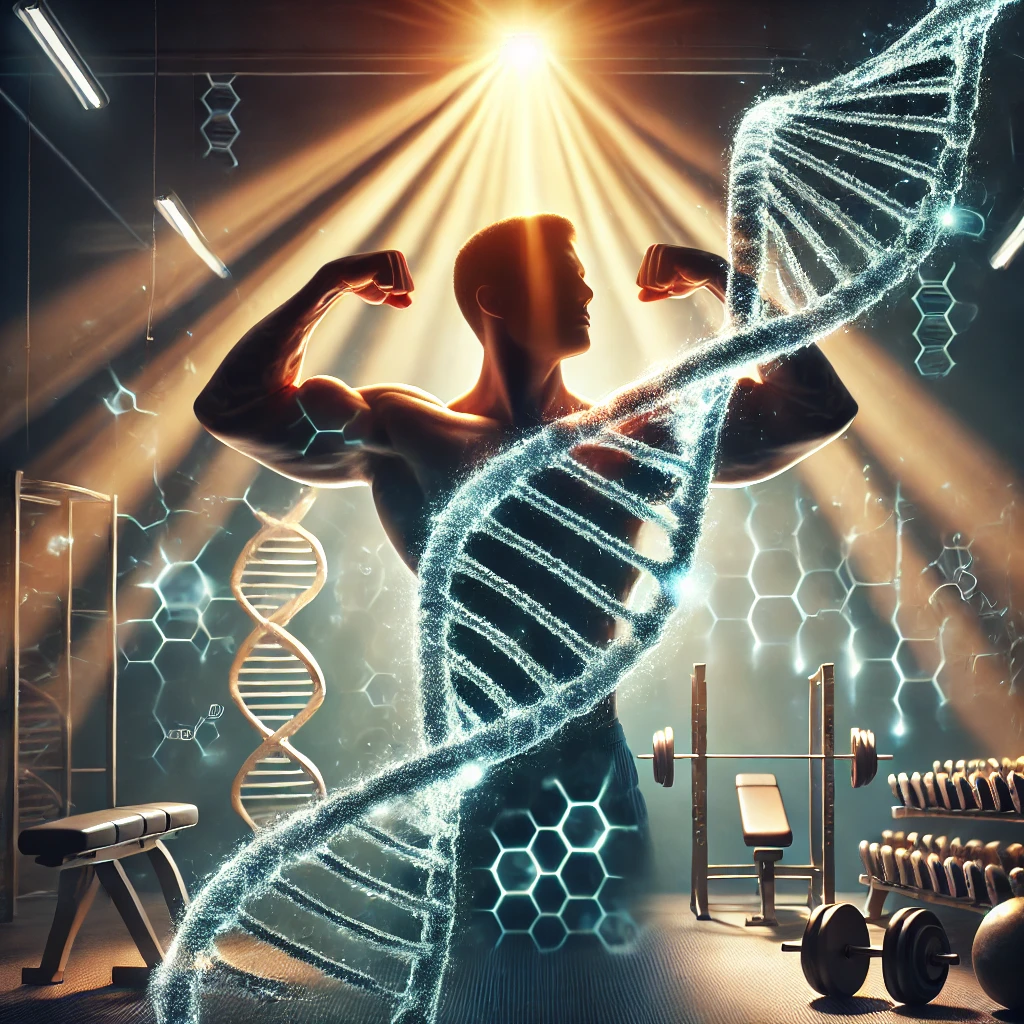
Bodybuilding is often thought of as a sport where effort and discipline reign supreme, but there’s an undeniable factor that plays a significant role in an athlete’s success: genetics. From muscle shape to recovery speed, your genetic makeup influences your potential in the gym and on stage. While hard work and smart training can help anyone achieve their best physique, understanding how genetics impact bodybuilding success can help you optimize your approach.
How Genetics Affect Muscle Growth
- Muscle Fiber Composition
- Your muscles are composed of two primary fiber types:
- Type I (Slow-Twitch): Built for endurance, not size.
- Type II (Fast-Twitch): Ideal for strength and hypertrophy.
- Individuals with a higher proportion of fast-twitch fibers have greater potential for muscle size and strength gains.
- Muscle Shape and Insertion Points
- Genetics determine the length and shape of your muscles.
- Insertion Points: Where muscles attach to tendons affects how they look when developed. For example, long biceps with low insertions create a more “peak-like” appearance, while shorter biceps can appear less full.
- Hormonal Profiles
- Testosterone levels influence muscle-building potential, with higher levels generally allowing for faster growth and recovery.
- Insulin sensitivity and growth hormone production also play roles in nutrient partitioning and muscle repair.
- Body Type (Somatotypes)

- Ectomorphs: Slim build, fast metabolism; struggle to gain weight or muscle.
- Mesomorphs: Naturally muscular and athletic; excel in bodybuilding.
- Endomorphs: Stocky build, gain weight easily; must focus on fat management.
While most people are a mix of these types, understanding your dominant traits can guide your training and nutrition strategies.
Strength and Recovery
- Tendon Strength
- Stronger, more resilient tendons reduce the risk of injury during heavy lifting. Genetics largely determine tendon and ligament robustness.
- Recovery Speed
- Some individuals recover faster due to genetic advantages in protein synthesis, blood flow, or hormone regulation. Faster recovery allows for more frequent and intense training.
Metabolism and Fat Distribution
- Basal Metabolic Rate (BMR)
- Your BMR, or the number of calories you burn at rest, is influenced by genetics. A higher BMR makes it easier to stay lean during bulking phases.
- Fat Distribution
- Genetics dictate where your body stores fat. Some individuals retain more fat around their midsection, while others stay lean in certain areas, affecting overall aesthetics.
- “Hardgainers” vs. “Easy Gainers”
- Hardgainers (typically ectomorphs) need to eat significantly more to gain weight and muscle.
- Easy Gainers (often mesomorphs) build muscle more easily but may also gain fat quickly if not careful.
How Genetics Influence Competitive Edge
- Symmetry and Proportions
- Competitors with naturally balanced proportions and muscle symmetry have a genetic advantage in bodybuilding competitions.
- Traits like wide shoulders, a narrow waist, and evenly distributed muscle mass create the coveted V-taper.
- Stage Presence
- Even factors like facial aesthetics and overall charisma can impact scoring in subjective categories like bodybuilding.
- Limitations and Potential
- Genetics set the ceiling for your potential, but hard work determines how close you get to that ceiling.
Muscle Growth and Genetic Potential
Genetics influences many of the biological characteristics that affect muscle development. Muscle fiber composition is one important example. Human skeletal muscles contain different types of muscle fibers, broadly classified as slow-twitch and fast-twitch fibers. Fast-twitch fibers generally have greater potential for producing force and power, while slow-twitch fibers are more resistant to fatigue.
Individuals naturally differ in their proportions of these fiber types. This can influence whether someone tends to excel at strength and explosive activities or endurance-based exercise. It may also contribute to differences in bodybuilding performance, although training can significantly influence how muscles function.
Genetics also affects muscle size and the ability to build new muscle tissue. Some people appear to respond extremely well to resistance training, experiencing substantial increases in muscle mass and strength. Others may need considerably more time and training to achieve similar improvements.
Hormones and Bodybuilding
Hormonal differences are another important part of the genetic equation. Testosterone, growth hormone, insulin-like growth factor 1, and other hormones influence muscle protein synthesis, recovery, body composition, and performance.
Genetics can influence hormone production, hormone sensitivity, and how tissues respond to hormonal signals. This does not mean that someone with naturally favorable genetics will automatically become muscular. Training, nutrition, sleep, age, and overall health remain extremely important.
However, differences in hormonal environment can partly explain why some individuals seem to gain muscle unusually quickly while others struggle despite consistent training.
Muscle Shape and Proportions
Genetics doesn’t only influence how much muscle a person can build. It also affects how that muscle looks.
Bone structure, muscle insertions, limb length, shoulder width, waist structure, and pelvic proportions all contribute to a person’s appearance. These characteristics cannot be substantially changed through exercise.
For example, someone with naturally broad shoulders and a relatively narrow waist may develop a dramatic V-taper with comparatively less muscle than someone with narrower shoulders and a wider waist. Likewise, differences in muscle insertions can influence the visual shape of the biceps, calves, chest, and other muscle groups.
This is one reason bodybuilding comparisons can sometimes be misleading. Two athletes may have similar amounts of muscle but look very different because their underlying skeletal and muscular structures differ.
Genetics and Strength
Strength is also strongly influenced by genetics. Muscle size is important, but strength depends on several additional factors, including nervous-system efficiency, muscle fiber characteristics, limb proportions, technique, and coordination.
Some individuals become exceptionally strong relatively quickly when they begin resistance training. Others may gain considerable muscle while progressing more slowly in certain strength exercises.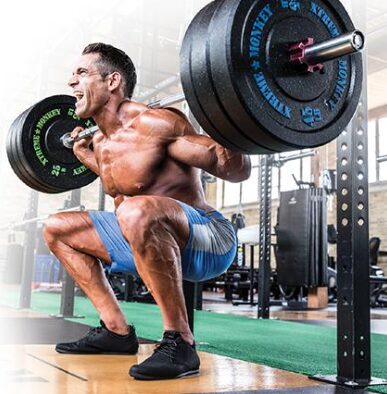
Body proportions can also affect performance. A person’s limb lengths and joint structure can make particular exercises mechanically easier or harder. For example, an individual with shorter arms may have an advantage in certain pressing movements, while someone with longer arms may have different advantages in pulling or deadlifting movements.
Therefore, strength records should not always be treated as direct measurements of bodybuilding potential.
Genetics and Fat Distribution
Genetics also influences body-fat distribution and how easily someone gains or loses weight.
Some people naturally remain relatively lean while consuming large amounts of food and maintaining an active lifestyle. Others may gain body fat more easily and need to monitor calorie intake carefully when trying to remain lean.
Where the body stores fat is also genetically influenced. Some individuals accumulate more fat around the abdomen, while others tend to store more around the hips, thighs, or other areas.
This can affect the visual appearance of a bodybuilding physique, particularly during competition preparation when athletes attempt to achieve extremely low levels of body fat.
Responding to Training
One of the most important genetic differences between individuals is their response to resistance training.
Research has demonstrated substantial variation in training responses. Some people experience large increases in muscle size and strength, while others experience more modest changes despite following similar programs.
This variation does not mean that so-called “non-responders” cannot make progress. Rather, it highlights the importance of individualizing training. Exercise selection, volume, intensity, frequency, nutrition, and recovery may need to be adjusted according to how a particular person responds.
The best bodybuilding program is therefore not necessarily the program that produced the best results for another athlete.
Genetics Does Not Replace Hard Work
Perhaps the most important point is that favorable genetics are not a substitute for discipline.
A genetically gifted individual who rarely trains, eats poorly, sleeps badly, and consistently skips workouts will not reach their potential. Conversely, someone without exceptional genetic advantages can build an impressive physique through years of consistent training, nutrition, and recovery.
Genetics establishes a range of possibilities, but lifestyle determines how much of that potential is realized.
It is also impossible to accurately determine someone’s ultimate bodybuilding potential simply by looking at them when they are untrained. People can respond very differently once they begin structured resistance training.
The Role of Genetics in Competitive Bodybuilding
At elite levels, genetics may become particularly significant. Competitive bodybuilding rewards muscularity, symmetry, proportions, conditioning, and overall presentation. Some of these characteristics are heavily influenced by inherited traits.
This is one reason elite bodybuilding physiques are relatively rare. Years of training are required, but athletes competing at the highest levels may also possess unusually favorable combinations of muscle-building capacity, skeletal proportions, recovery ability, and muscle shape.
That does not diminish their work ethic. Instead, it demonstrates that elite achievement generally results from an interaction between genetics, training, nutrition, recovery, and long-term consistency.
Conclusion
Genetics is an important but often misunderstood component of bodybuilding success. It influences muscle fiber characteristics, hormone function, body proportions, muscle shape, fat distribution, strength potential, and individual responses to training.
However, genetics should not become an excuse for giving up. Nobody can choose their genetic starting point, but everyone can influence how effectively they train, eat, recover, and remain consistent.
The reality of bodybuilding is therefore not simply “genetics versus hard work.” Genetics determines many of the cards a person is dealt, while dedication determines how well they play them. For most lifters, the most productive approach is to stop comparing their genetic potential with someone else’s and instead focus on maximizing their own.

Overcoming Genetic Limitations
While genetics play a role, they’re not the sole determinant of success. Here’s how to work around genetic disadvantages:
- Target Weak Points
- Focus on lagging muscle groups with specific exercises and increased training volume.
- Use isolation movements to refine areas where muscle insertions may be less favorable.
- Tailor Your Nutrition
- Hardgainers should prioritize calorie-dense foods to support weight gain.
- Those prone to fat gain should adopt carb cycling or a controlled caloric surplus during bulking phases.
- Train Smart
- Individuals with slower recovery rates should prioritize rest days and avoid overtraining.
- Experiment with training splits (e.g., push-pull-legs or upper/lower) to find what suits your body best.
- Leverage Your Strengths
- Highlight your naturally strong muscle groups in posing routines or competitions.
- Mindset Matters
- Accept your genetic starting point, but don’t let it dictate your results. Consistency, effort, and persistence can overcome many limitations.
Nature vs. Nurture in Bodybuilding
While genetics provide the foundation, the effort you put into training, nutrition, and recovery determines how much of your potential you reach. The most genetically gifted athlete won’t succeed without dedication, just as someone with less favorable genetics can achieve impressive results with discipline and smart strategies.
Sculpting Your Genetic Canvas
Bodybuilding is a blend of art and science, with genetics providing the canvas on which you sculpt your physique. While you can’t change your DNA, you can optimize your training and nutrition to maximize your potential. Embrace your unique traits, put in the work, and remember: the gym rewards effort, no matter where you start.
References
- National Library of Medicine – Genetics and muscle-related research
- National Library of Medicine – Skeletal muscle research
- American College of Sports Medicine
- National Human Genome Research Institute