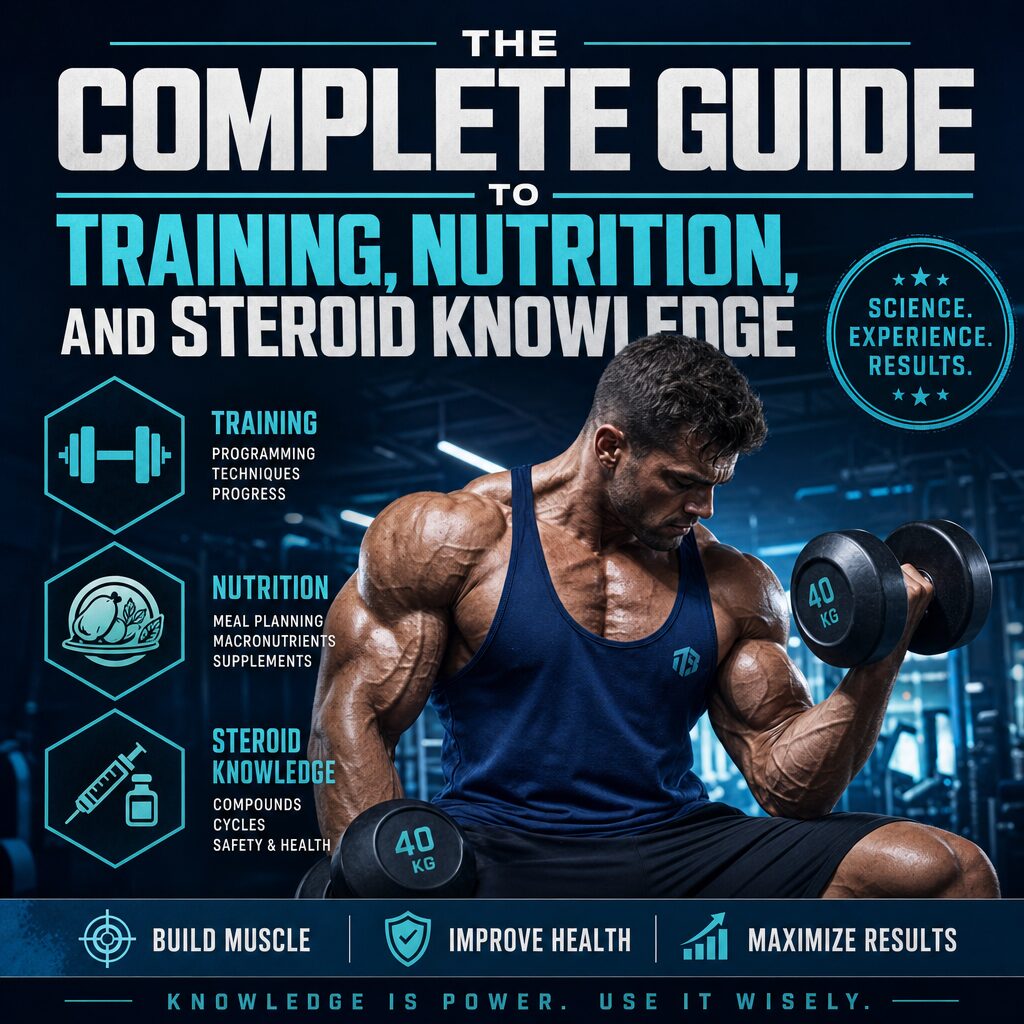
Erectile dysfunction (ED) is one of the most common yet least discussed side effects of anabolic-androgenic steroid (AAS) use. While anabolic steroids are widely recognized for increasing muscle mass, strength, and athletic performance, many users are surprised to discover that these same drugs can significantly impair sexual function. Ironically, substances often associated with masculinity can eventually undermine one of the most important aspects of male health.
For many steroid users, erectile dysfunction develops gradually. Some experience difficulty maintaining erections during a cycle, while others notice problems after discontinuing steroid use. The causes are complex and involve hormonal, neurological, psychological, and cardiovascular changes that can persist long after a cycle ends.
Understanding why anabolic steroids contribute to erectile dysfunction can help users recognize warning signs early and seek appropriate medical care before permanent complications develop.
Understanding Normal Testosterone Production
To understand how steroids cause erectile dysfunction, it’s important to understand how the body’s natural testosterone system works.
The hypothalamus in the brain releases gonadotropin-releasing hormone (GnRH), which stimulates the pituitary gland to produce luteinizing hormone (LH) and follicle-stimulating hormone (FSH). LH signals the testicles to produce testosterone, while FSH supports sperm production.
When anabolic steroids are introduced into the body, they create a powerful negative feedback loop. The brain detects high androgen levels and assumes enough testosterone is already present. As a result, it drastically reduces or completely shuts down the production of LH and FSH.
Without these hormones, the testicles dramatically reduce or stop producing testosterone naturally.
This hormonal suppression is the primary reason erectile dysfunction develops in many steroid users.
Hormonal Imbalance

Natural testosterone is essential for healthy sexual function.
When endogenous testosterone production is suppressed, several problems may occur:
- Reduced libido
- Difficulty achieving erections
- Difficulty maintaining erections
- Lower sperm production
- Reduced fertility
- Fatigue
- Depression
- Decreased motivation
Although steroids increase androgen levels during a cycle, natural testosterone production remains suppressed. Once the cycle ends, hormone levels often crash, leaving users with very low testosterone until the hypothalamic-pituitary-gonadal (HPG) axis recovers.
Depending on cycle length, compounds used, age, and genetics, recovery may take weeks, months, or, in some cases, over a year.
Estrogen Imbalance
Many anabolic steroids convert into estrogen through aromatization.
Although estrogen is often viewed as a “female hormone,” men require healthy amounts for normal sexual function, bone health, and cardiovascular health.
Problems occur when estrogen becomes either too high or too low.
High estrogen may contribute to:
- Erectile dysfunction
- Reduced libido
- Gynecomastia
- Water retention
- Emotional instability
Conversely, users who aggressively suppress estrogen with aromatase inhibitors can also experience erectile dysfunction, joint pain, fatigue, and loss of libido.
Maintaining hormonal balance—not simply lowering estrogen—is essential.
Testicular Atrophy
Because the testicles no longer receive stimulation from LH and FSH, they begin to shrink during prolonged steroid use.
Testicular atrophy is common among long-term users.
Besides cosmetic concerns, shrinking testicles produce less testosterone and fewer sperm, making recovery more difficult after steroid cycles.
The longer suppression continues, the greater the chance that recovery will be prolonged or incomplete.
The Post-Cycle Crash
Perhaps the most difficult period for many users occurs immediately after ending a steroid cycle.
During this time, steroid levels rapidly decline while natural testosterone production has not yet restarted.
This “hormonal gap” often produces symptoms including:
- Severe fatigue
- Low libido
- Erectile dysfunction
- Depression
- Anxiety
- Loss of muscle fullness
- Brain fog
- Poor motivation
Many users report that post-cycle erectile dysfunction is significantly worse than anything experienced during the steroid cycle itself.
The Role of Post-Cycle Therapy (PCT)
Many experienced steroid users employ Post-Cycle Therapy (PCT) in an attempt to stimulate natural testosterone production after a cycle.
Common medications include:
- Clomiphene citrate (Clomid)
- Tamoxifen (Nolvadex)
- Human chorionic gonadotropin (hCG) in certain protocols
These medications may help restart the HPG axis in some individuals, but they are not guaranteed to restore hormone production in every case. Recovery varies considerably depending on age, genetics, duration of steroid use, and the compounds used.
PCT should only be undertaken under the guidance of a qualified healthcare professional, as improper use can lead to additional hormonal complications.
Prolactin and Sexual Dysfunction
Certain anabolic steroids—particularly 19-nor compounds such as Trenbolone and Nandrolone (Deca-Durabolin)—may contribute to elevated prolactin levels in susceptible individuals.
High prolactin has been associated with:
- Low libido
- Erectile dysfunction
- Difficulty achieving orgasm
- Reduced sexual satisfaction
Although prolactin is not elevated in every user, blood testing is necessary to determine whether it is contributing to symptoms.
Cardiovascular Health and Erectile Function
An erection depends on healthy blood flow.
Anabolic steroids have been linked to several cardiovascular changes that may negatively affect erectile function, including:
- High blood pressure
- Elevated LDL (“bad”) cholesterol
- Reduced HDL (“good”) cholesterol
- Increased arterial stiffness
- Endothelial dysfunction
- Enlargement of the heart muscle in some users
Because the penis relies on healthy blood vessels, reduced vascular function may significantly impair erections.
In some cases, erectile dysfunction serves as an early warning sign of cardiovascular disease.
Nitric Oxide and Blood Flow
Nitric oxide relaxes blood vessels and allows increased blood flow into erectile tissue.
Research suggests that chronic steroid use may impair endothelial function and reduce nitric oxide availability in some individuals.
Reduced nitric oxide production makes it more difficult to achieve and maintain firm erections even when testosterone levels appear adequate.
Psychological Factors
Not all steroid-induced erectile dysfunction is purely hormonal.
Psychological factors frequently contribute, including:
Anxiety
Fear of sexual failure often worsens existing erectile dysfunction.
Depression
Hormonal crashes following steroid cycles frequently trigger depressive symptoms that negatively affect libido.
Body Dysmorphic Disorder
Some users become excessively focused on maintaining a muscular physique, creating unrealistic expectations and chronic anxiety.
Relationship Stress
Mood swings and emotional instability associated with steroid use can place tremendous strain on relationships, further contributing to sexual dysfunction.
Sleep Matters More Than Most People Realize
Healthy testosterone production occurs primarily during deep sleep.
Unfortunately, anabolic steroids may contribute to:
- Insomnia
- Restless sleep
- Sleep apnea
- Frequent nighttime awakenings
Poor sleep reduces natural testosterone production while increasing cortisol, creating another obstacle to hormonal recovery.
Improving sleep quality often plays an important role in restoring sexual health.
Fertility Concerns
Many steroid users mistakenly assume fertility automatically returns after stopping steroids.
In reality, prolonged suppression of sperm production may persist for months or even years.
Some men experience temporary infertility, while others require specialized fertility treatment.
Anyone planning to have children should discuss the risks of anabolic steroid use with a reproductive specialist before beginning a cycle.
Recovery From Steroid-Induced ED
Recovery depends on numerous factors, including:
- Age
- Duration of steroid use
- Total lifetime exposure
- Individual genetics
- Overall health
- Lifestyle habits
- Presence of underlying medical conditions
Many men gradually regain normal erectile function after hormone production returns. Others require medical treatment for persistent hypogonadism or erectile dysfunction.
Patience is often necessary, as hormone recovery rarely occurs overnight.
Reducing the Risk
Although no steroid cycle is completely risk-free, several practices may reduce complications:
- Avoid excessively long cycles.
- Avoid unnecessarily high dosages.
- Obtain regular blood work before, during, and after cycles.
- Monitor blood pressure and cholesterol.
- Maintain a healthy body weight.
- Perform regular cardiovascular exercise.
- Get adequate sleep.
- Avoid smoking and excessive alcohol consumption.
- Follow an evidence-based recovery plan after discontinuing steroids.
These strategies cannot eliminate risk but may reduce the likelihood of severe hormonal disruption.
When to Seek Medical Help
Erectile dysfunction lasting more than several weeks after discontinuing anabolic steroids should not be ignored.
Medical evaluation may include:
- Total testosterone
- Free testosterone
- LH
- FSH
- Estradiol
- Prolactin
- Thyroid function tests
- Complete blood count
- Comprehensive metabolic panel
- Lipid profile
Identifying the underlying cause is essential before beginning any treatment.
Final Thoughts
Anabolic steroids can dramatically improve muscle growth and athletic performance, but they also carry significant risks to hormonal and sexual health. Erectile dysfunction is one of the most common complications associated with steroid use and can result from suppressed testosterone production, hormonal imbalances, elevated prolactin, impaired cardiovascular function, poor sleep, psychological stress, or a combination of these factors.
While many men recover after discontinuing steroids, others experience prolonged symptoms that require medical intervention. Ignoring erectile dysfunction or attempting to self-treat with additional hormones or medications can worsen the underlying problem.
Protecting your long-term health is far more important than achieving short-term physique goals. If you experience erectile dysfunction, persistent low libido, or other symptoms of hormone imbalance during or after anabolic steroid use, consult a qualified healthcare professional or an experienced endocrinologist or urologist. Proper laboratory testing, an accurate diagnosis, and an individualized treatment plan offer the safest and most effective path toward restoring hormonal balance, sexual function, and overall well-being.