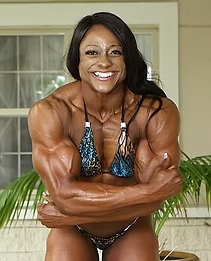
Bodybuilding has long been perceived as a male-dominated sport, but women have been carving their place on the stage, proving that strength and femininity are not mutually exclusive. While the journey into bodybuilding presents unique challenges for women, it also offers incredible opportunities for empowerment, physical transformation, and breaking stereotypes.
Challenges Women Face in Bodybuilding
- Societal Perceptions
- Women in bodybuilding often face stereotypes, with some labeling muscular physiques as “unfeminine.”
- The pressure to balance societal beauty standards with personal fitness goals can create additional challenges.
The Shift: Social media and mainstream fitness culture are helping redefine beauty, with strong, athletic physiques gaining broader acceptance.
- Unequal Recognition
- Female bodybuilders often receive less media attention and prize money than their male counterparts.
- Limited sponsorship opportunities can make pursuing the sport professionally more difficult.
The Opportunity: Advocacy and visibility are increasing, with more women’s divisions and platforms highlighting female athletes.
- Physical Differences
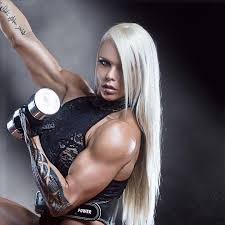
- Women naturally have lower testosterone levels, making muscle-building a slower process compared to men.
- Hormonal fluctuations, particularly from menstrual cycles, can impact training and recovery.
The Strategy: Focused training and nutrition plans tailored to women’s physiology can maximize results.
- Access to Resources
- Women often encounter fewer role models and mentors in the bodybuilding space.
- Some gyms may not cater adequately to female strength athletes.
The Solution: Online communities, social media, and women-only fitness groups are providing support and inspiration for aspiring bodybuilders.
Opportunities for Women in Bodybuilding
- Empowerment Through Strength
- Bodybuilding helps women redefine their relationship with their bodies, emphasizing capability and strength over appearance.
- Gaining muscle and improving fitness can boost confidence and mental health.
- Diverse Competition Categories
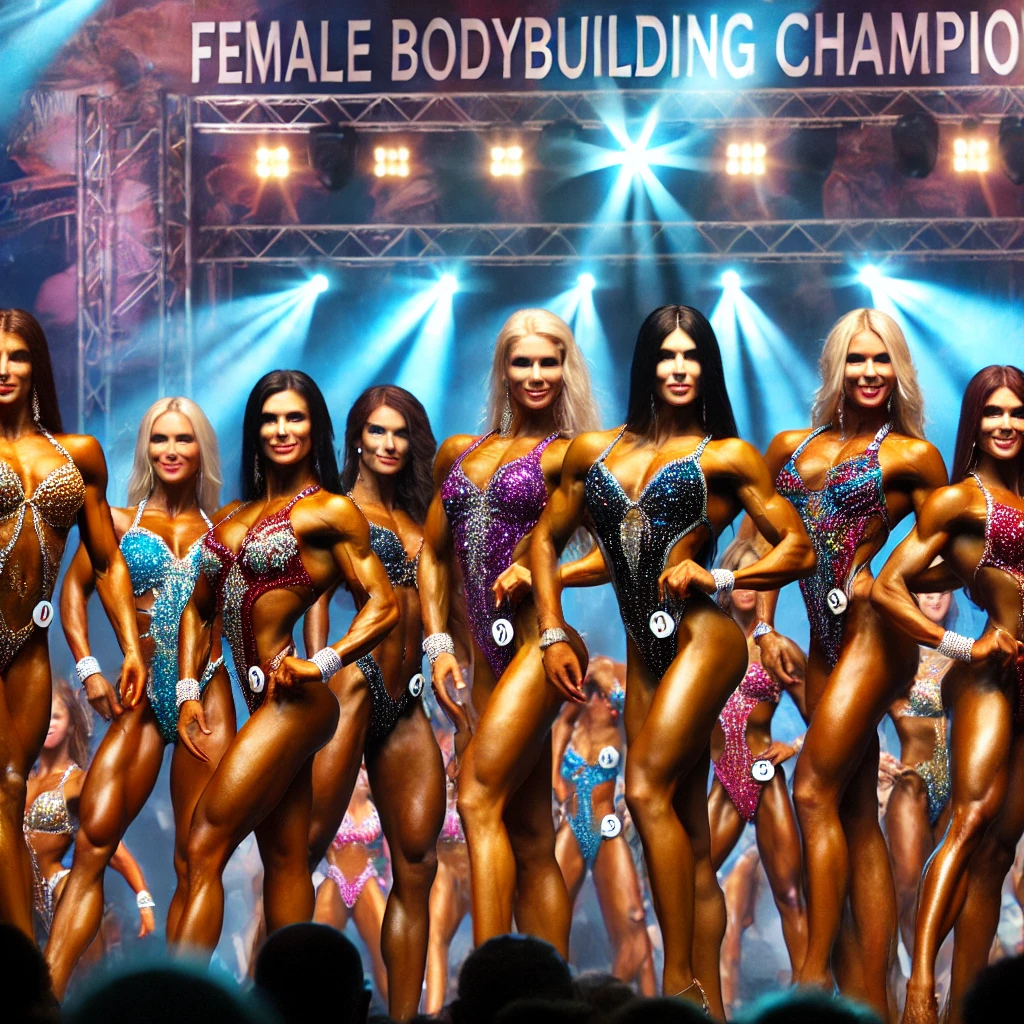
- Women’s bodybuilding now includes categories like bikini, figure, fitness, physique, and traditional bodybuilding. These options allow athletes to compete in a style that aligns with their goals and aesthetics.
Category Highlights:
- Bikini: Focuses on a lean, toned physique with an emphasis on symmetry and stage presence.
- Figure: Highlights muscle definition and proportion without the size of traditional bodybuilding.
- Women’s Physique: Combines muscularity with classic posing routines.
- Fitness: Incorporates athletic routines alongside physique judging.
- Breaking Stereotypes

- Female bodybuilders challenge outdated ideas of what women can or should look like, inspiring others to pursue their fitness goals unapologetically.
- Representation in bodybuilding opens doors for women in other strength sports like powerlifting, CrossFit, and Olympic weightlifting.
- Role Models and Mentors
- Athletes like Dana Linn Bailey, Iris Kyle, and Cory Everson have paved the way for women in bodybuilding, demonstrating that success is attainable with dedication and passion.
Training and Nutrition Tips for Female Bodybuilders
- Strength Training
- Women should prioritize compound lifts like squats, deadlifts, and bench presses for building overall strength and muscle mass.
- Incorporate progressive overload to ensure consistent muscle growth.
- Balanced Nutrition
- Protein intake should remain a priority, with 0.8–1 gram of protein per pound of body weight daily.
- Tailor calorie intake to goals—whether bulking, cutting, or maintaining.
- Consider micronutrients like iron and calcium, which are particularly important for women.
- Recovery and Hormonal Health
- Sleep and stress management are critical for optimal recovery and hormonal balance.
- Listen to your body and adapt training intensity around menstrual cycles to avoid overtraining.
- Mental Resilience
- Cultivate a strong mindset to navigate criticism and focus on your personal goals.
- Surround yourself with supportive peers who share your vision.
The Rise of Women’s Bodybuilding
- Increased Visibility
- Social media platforms like Instagram and TikTok have given female bodybuilders a stage to showcase their progress, routines, and personalities.
- Documentaries like Pumping Iron II and fitness expos have also raised awareness of women in the sport.
- Supportive Communities
- Online forums and fitness groups have created spaces for women to share advice, celebrate milestones, and find encouragement.
- Accessible Resources
- More coaches and training programs are catering specifically to women, addressing unique challenges like hormone health and body composition.
Addressing Myths About Women in Bodybuilding
- “Lifting Heavy Makes Women Bulky”
- Muscle growth in women is more gradual than in men due to hormonal differences. Strength training leads to a lean, toned appearance—not “bulkiness.”
- “Bodybuilding Isn’t Feminine”
- Strength and femininity are not mutually exclusive. Many female bodybuilders celebrate their muscularity as part of their identity and empowerment.
- “Women Don’t Belong in Bodybuilding”
- Female athletes have proven time and again that bodybuilding is for anyone willing to put in the work, regardless of gender.
The Future of Women in Bodybuilding
As awareness and appreciation for female bodybuilding grow, the sport continues to evolve. Opportunities for women to compete, gain sponsorship, and inspire others are expanding, creating a more inclusive environment.
By embracing strength, resilience, and determination, women in bodybuilding are not just reshaping their physiques—they’re reshaping the narrative around what it means to be strong, capable, and empowered.
Flex with Confidence
Women in bodybuilding are trailblazers, proving that strength and determination know no gender. Whether you’re aiming to compete or simply push your physical limits, the opportunities are endless. Embrace the challenges, celebrate the gains, and show the world that women belong in every corner of the fitness industry.
For decades, bodybuilding was viewed as a sport reserved primarily for men. Today, that perception has changed dramatically. Women from all walks of life are stepping onto competition stages, training in commercial gyms, and embracing strength as a symbol of confidence, discipline, and personal achievement. Female bodybuilding has evolved into a respected sport that celebrates dedication, muscular development, and athletic excellence while inspiring countless women to challenge outdated stereotypes.
The rise of women in bodybuilding reflects a broader cultural shift toward recognizing that strength has no gender. More women than ever are lifting weights, building muscle, and discovering that resistance training offers far more than physical improvements. It enhances mental resilience, increases self-confidence, and promotes long-term health. Rather than pursuing unrealistic beauty standards, many female bodybuilders focus on becoming the strongest, healthiest versions of themselves.
Bodybuilding demands consistency unlike almost any other sport. Competitors spend months, and often years, carefully planning their training programs, nutrition, supplementation, and recovery. Success is earned through countless hours in the gym, disciplined eating habits, and unwavering commitment. Female bodybuilders demonstrate that determination and perseverance are often more important than natural talent.
One of the greatest misconceptions surrounding women in bodybuilding is the belief that lifting heavy weights automatically leads to excessive muscle growth. In reality, building significant muscle mass requires years of structured training, proper nutrition, and often exceptional genetics. Most women who lift weights develop a leaner, firmer physique rather than becoming overly muscular. Resistance training also helps improve posture, bone density, and metabolic health, making it one of the most beneficial forms of exercise available.
Nutrition plays a central role in female bodybuilding success. Protein provides the building blocks necessary for muscle repair and growth, while carbohydrates fuel demanding workouts and replenish glycogen stores. Healthy fats contribute to hormone production and overall wellness. Many female athletes carefully monitor their calorie intake depending on whether they are building muscle during an offseason phase or reducing body fat before a competition. Meal planning becomes an essential habit that supports both performance and recovery.
Training methods have also evolved significantly. Modern female bodybuilders utilize scientifically designed workout programs that combine compound movements such as squats, deadlifts, bench presses, and overhead presses with targeted isolation exercises. Progressive overload—the gradual increase in training intensity over time—remains one of the most effective methods for stimulating muscle growth. Equally important are recovery strategies, including adequate sleep, hydration, stretching, and rest days that allow muscles to repair and grow stronger.
The sport now offers multiple competitive divisions that appeal to athletes with different physiques and goals. Bikini competitors focus on a lean, balanced appearance with moderate muscle definition. Wellness emphasizes greater lower-body development while maintaining an aesthetic upper body. Figure athletes display more muscularity and symmetry, while Women’s Physique competitors showcase greater muscle size and conditioning with artistic posing routines. Traditional Women’s Bodybuilding remains the pinnacle of muscular development, rewarding maximum muscle mass, symmetry, conditioning, and stage presentation.
Social media has transformed the visibility of female bodybuilding. Athletes can now share training videos, nutrition advice, motivational content, and competition journeys with audiences around the world. This increased exposure has helped educate the public about the realities of bodybuilding while encouraging more women to begin strength training. Fitness influencers, coaches, and professional competitors have created supportive online communities where newcomers can learn proper techniques and stay motivated throughout their fitness journeys.
Despite its growing popularity, female bodybuilding still faces challenges. Some competitors continue to encounter criticism based on outdated perceptions of femininity or muscularity. However, attitudes are gradually changing as society becomes more accepting of diverse body types and recognizes the dedication required to excel in strength sports. Many female athletes proudly embrace their physiques, demonstrating that femininity and muscularity are not mutually exclusive.
The psychological benefits of bodybuilding are often just as significant as the physical ones. Setting measurable goals, overcoming training plateaus, and witnessing gradual improvements build confidence that extends into everyday life. Many women report feeling more empowered both inside and outside the gym after committing to resistance training. The discipline learned through bodybuilding frequently carries over into careers, education, and personal relationships.
Health benefits further support the growing popularity of bodybuilding among women. Regular resistance training improves bone mineral density, reducing the risk of osteoporosis later in life. Increased muscle mass supports better insulin sensitivity, improved metabolism, enhanced joint stability, and greater functional strength for daily activities. Combined with balanced nutrition and cardiovascular exercise, bodybuilding contributes to overall physical well-being.
Competitive bodybuilding also fosters a unique sense of community. Athletes often support one another backstage, exchange training knowledge, and celebrate each other’s achievements despite competing against one another. Coaches, training partners, and family members play important roles in helping competitors navigate the demanding preparation process. This supportive environment encourages lifelong friendships built around shared goals and mutual respect.
The future of women in bodybuilding appears brighter than ever. Participation continues to grow, prize opportunities are expanding, and mainstream acceptance of female strength athletes is steadily increasing. Advances in sports science, nutrition, and coaching techniques allow competitors to maximize performance while maintaining long-term health. More young women are discovering that lifting weights is not only empowering but also an effective way to improve overall fitness and confidence.
Women in bodybuilding continue to break barriers with every training session and every competition. Their dedication proves that strength, discipline, and determination are universal qualities that transcend gender. Whether competing on the world’s biggest stages or simply pursuing personal fitness goals, female bodybuilders inspire others to challenge limitations, embrace hard work, and redefine what strength truly means.
References
- American College of Sports Medicine (ACSM) – Resistance Training Benefits
Resistance training improves muscle strength, bone health, physical performance, and overall quality of life.
Link: ACSM Resistance Training for Health - American College of Sports Medicine – Updated Resistance Training Guidelines
Evidence-based recommendations showing how progressive resistance training supports muscle growth, strength, and athletic performance.
Link: ACSM Resistance Training Position Stand - PubMed – Resistance Training Among Women
Research examining women’s participation in weight training, benefits, and barriers that affect involvement in resistance exercise.
Link: PubMed Resistance Training Among Women - ACSM – Resistance Training and Injury Prevention
Discusses how strength training can improve muscular strength, bone strength, and reduce injury risks.
Link: ACSM Injury Prevention Through Resistance Training - American College of Cardiology – Strength Training and Women’s Heart Health
Highlights research showing connections between regular strength training and improved cardiovascular health outcomes in women.
Link: American College of Cardiology Strength Training Study