Creatine has earned its reputation as the most popular and extensively researched muscle-building supplement in the world. Whether you are a competitive bodybuilder, powerlifter, CrossFit athlete, or someone who simply wants to gain muscle and improve strength, creatine has likely been recommended countless times. Unlike many supplements that come and go with changing trends, creatine has remained a staple in the fitness industry for decades because scientific research consistently supports its effectiveness.
For bodybuilders and strength athletes, creatine offers a simple, affordable, and proven way to improve workout performance, increase muscle size, and enhance recovery. When combined with a proper diet and a structured training program, it can help athletes push harder during workouts and achieve better long-term results.
Creatine is a naturally occurring compound made from three amino acids: glycine, arginine, and methionine. Your body produces creatine primarily in the liver, kidneys, and pancreas. It is then transported to your muscles, where approximately 95 percent of the body’s creatine is stored.
Small amounts of creatine are also found in foods such as beef, pork, fish, and other animal products. However, obtaining the amount used in most supplementation protocols through food alone would require consuming very large quantities of meat every day. This is one reason why creatine supplementation has become so popular among athletes.
The primary role of creatine is to help produce adenosine triphosphate, commonly known as ATP. ATP is the body’s immediate source of energy during high-intensity activities such as weightlifting, sprinting, and explosive athletic movements.
During intense exercise, ATP stores are rapidly depleted. Creatine helps regenerate ATP more quickly, allowing muscles to continue producing force for a longer period. This often translates into performing one or two additional repetitions, lifting slightly heavier weights, or maintaining greater power output throughout a workout.
Although these improvements may seem small on a single training day, they accumulate over weeks and months. The result is greater training volume, more progressive overload, and ultimately increased muscle growth.
One of the biggest reasons bodybuilders use creatine is its ability to increase muscular strength. Numerous scientific studies have shown that individuals supplementing with creatine generally experience greater strength gains compared to those who do not.
Improved strength allows athletes to gradually increase training intensity, which is one of the primary drivers of muscle hypertrophy. Over time, consistently lifting heavier weights stimulates additional muscle fiber growth and improved overall performance.
Creatine also contributes to muscle size in several ways. Initially, it increases water content inside muscle cells. This intracellular hydration gives muscles a fuller, rounder appearance without causing the soft or bloated look associated with excess body fat.
More importantly, the increased training capacity that creatine provides allows athletes to stimulate greater muscle growth over time. It is this long-term improvement in workout quality that makes creatine such an effective supplement for building lean muscle.
Recovery is another important benefit. High-intensity workouts place significant stress on muscle tissue. Some research suggests that creatine supplementation may reduce muscle cell damage and inflammation following strenuous exercise.
Faster recovery means athletes may be able to train more frequently and maintain higher performance throughout the week. This can be especially valuable during demanding bodybuilding programs that involve multiple heavy training sessions.
One common misconception is that creatine is an anabolic steroid. This is completely false.
Creatine is not a hormone. It does not alter testosterone levels, suppress natural hormone production, or require post-cycle therapy. Instead, it is simply a naturally occurring nutrient that helps muscles produce energy more efficiently.
Because of this, creatine is legal for competitive sports in most organizations and is widely accepted by sports nutrition professionals.
Another myth claims creatine damages healthy kidneys. Decades of scientific research have found no evidence that recommended doses of creatine harm kidney function in healthy individuals.
People with pre-existing kidney disease should always consult a physician before taking any supplement, but healthy athletes generally tolerate creatine very well when used responsibly.
Many beginners ask whether they should perform a loading phase. Traditionally, athletes consumed approximately 20 grams of creatine daily for five to seven days before reducing intake to a maintenance dose of three to five grams per day.
Today, many experts simply recommend taking three to five grams daily from the beginning. Although muscle saturation occurs more gradually without loading, both methods ultimately produce similar long-term results.
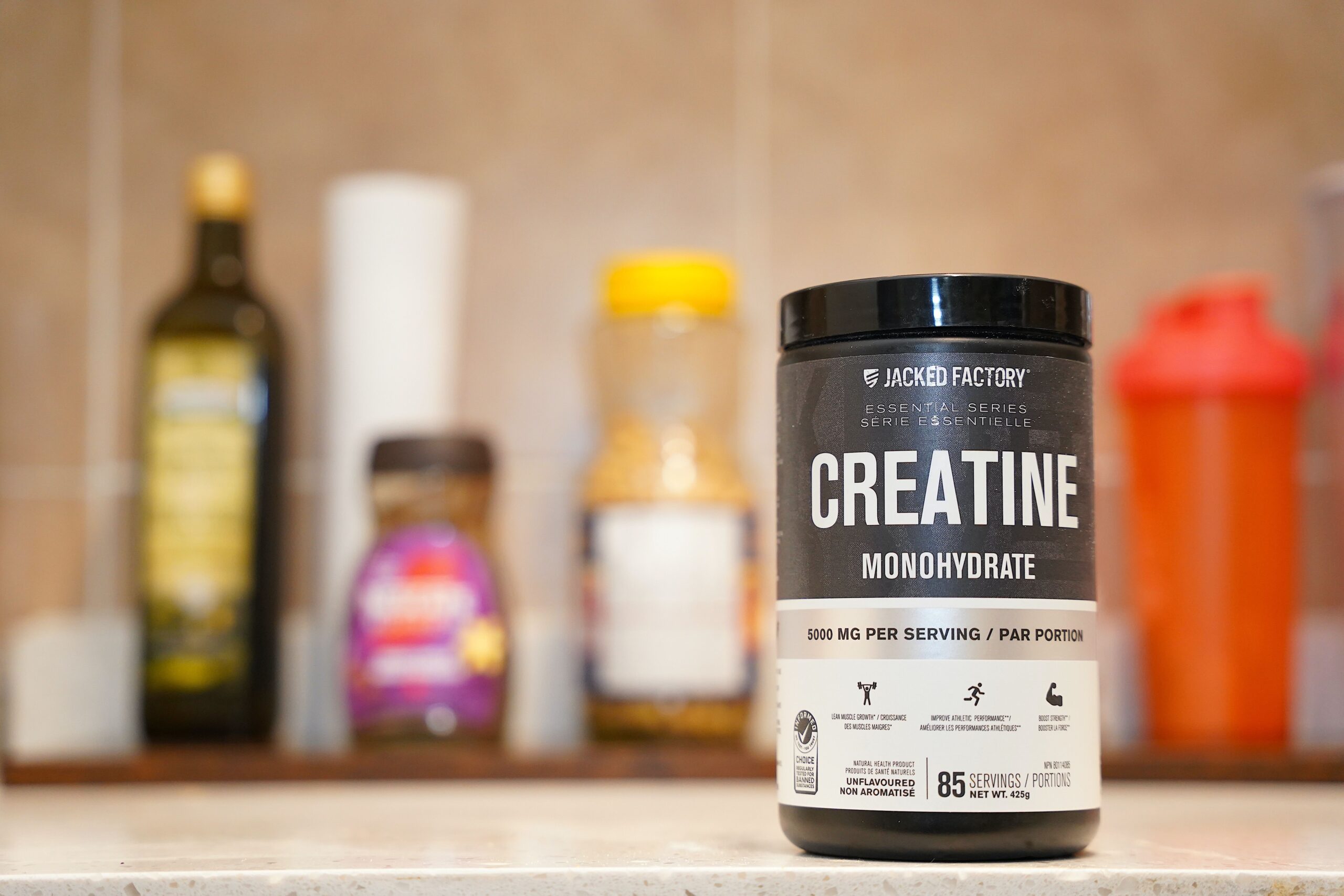
The most widely recommended form is creatine monohydrate. Despite the appearance of newer forms such as creatine hydrochloride, buffered creatine, liquid creatine, and creatine ethyl ester, research consistently shows that creatine monohydrate remains the most effective, most affordable, and best-studied option available.
Bodybuilders often spend unnecessary money on expensive versions that offer little or no measurable advantage over traditional creatine monohydrate.
Timing is another topic that frequently generates debate. Some athletes prefer taking creatine before training, while others consume it after workouts.
Current research suggests that consistency matters far more than timing. Taking creatine every day helps maintain fully saturated muscle stores, regardless of whether it is consumed before or after exercise.
Many athletes mix creatine into protein shakes, fruit juice, or plain water. It dissolves easily and can fit into almost any nutritional routine.
Vegetarians and vegans may experience even greater benefits from creatine supplementation because their diets generally contain lower natural creatine levels. As a result, supplementation may produce larger improvements in strength and lean body mass compared to individuals who consume meat regularly.
Creatine is also attracting attention outside the bodybuilding community. Researchers continue investigating its possible role in healthy aging, brain function, cognitive performance, and certain neurological conditions. While much of this research is ongoing, it highlights the broad interest in one of the world’s most studied nutritional supplements.
When purchasing creatine, quality should always be a priority. Choose products from reputable manufacturers that provide third-party testing and avoid unnecessary proprietary blends containing ingredients with limited scientific support.
Proper hydration is also recommended while using creatine. Although creatine does not cause dehydration as once believed, maintaining adequate fluid intake supports overall health and athletic performance.
For bodybuilders seeking maximum muscle growth, creatine works best alongside a balanced diet rich in protein, carbohydrates, healthy fats, vitamins, and minerals. No supplement can replace consistent training, quality nutrition, and adequate sleep.
Ultimately, creatine has stood the test of time because it delivers results. Few supplements have accumulated the same level of scientific evidence demonstrating improvements in strength, power, muscle size, and training performance.
Whether your goal is adding lean muscle, increasing lifting performance, or enhancing recovery, creatine remains one of the safest, most effective, and most economical supplements available. Its decades of research, excellent safety profile, and proven ability to improve athletic performance explain why it continues to be the number one choice for bodybuilders around the world.
CLICK HERE TO JOIN IN ON THE DOSCUSSION IN OUR FORUM!
- Mayo Clinic – Creatine
https://www.mayoclinic.org/drugs-supplements-creatine/art-20347591 - International Society of Sports Nutrition – Safety and Efficacy of Creatine Supplementation
https://pmc.ncbi.nlm.nih.gov/articles/PMC5469049/ - Mayo Clinic – Performance-Enhancing Drugs: Know the Risks
https://www.mayoclinic.org/healthy-lifestyle/fitness/in-depth/performance-enhancing-drugs/art-20046134 - Mayo Clinic Store – What Is Creatine?
https://store.mayoclinic.com/education/what-is-creatine/ - Kreider RB, et al. International Society of Sports Nutrition Position Stand (Journal of the ISSN)
https://jissn.biomedcentral.com/articles/10.1186/s12970-017-0173-z - Kreider RB, Stout JR. Creatine in Health and Disease (Nutrients, 2021)
https://www.mdpi.com/2072-6643/13/2/447 - Cooper R, Naclerio F, Allgrove J, Jimenez A. Creatine Supplementation and Sports Performance (Journal of the ISSN)
https://pmc.ncbi.nlm.nih.gov/articles/PMC3407788/ - Forbes SC, et al. Effects of Creatine Supplementation on Brain Function and Health (Nutrients, 2022)
https://www.mdpi.com/2072-6643/14/5/921