
Bodybuilding Fundamentals: The Keys to Building More Muscle, Recovering Faster, and Making Consistent Progress
Building an impressive physique is about far more than simply lifting heavy weights. Successful bodybuilding requires intelligent programming, proper exercise execution, balanced nutrition, adequate recovery, and long-term consistency. Many lifters spend years in the gym without reaching their potential because they overlook the fundamentals that separate average results from exceptional ones.
A well-designed training program should cover every major muscle group while allowing enough recovery between workouts. Rather than following a rigid schedule, it’s important to remain flexible and listen to your body. Some athletes recover quickly and can train on a six-day cycle, while others require additional rest. Recovery is where muscle growth actually occurs, so forcing workouts before your muscles have recovered can slow progress instead of accelerating it.
One training method that often receives too little attention is emphasizing the negative, or eccentric, portion of each repetition. Most people focus entirely on lifting the weight and simply allow it to fall back to the starting position. However, the lowering phase creates significant muscle tension and microscopic muscle damage, which stimulates growth during recovery. Controlling every repetition from start to finish increases training quality and helps maximize muscle development.
Experienced lifters can occasionally perform additional negative repetitions after reaching failure on the lifting phase of an exercise. With the assistance of a knowledgeable training partner, the weight is lifted into position while the lifter slowly lowers it under control. This advanced technique further fatigues the muscle and should be used sparingly because it places tremendous stress on the body and requires longer recovery.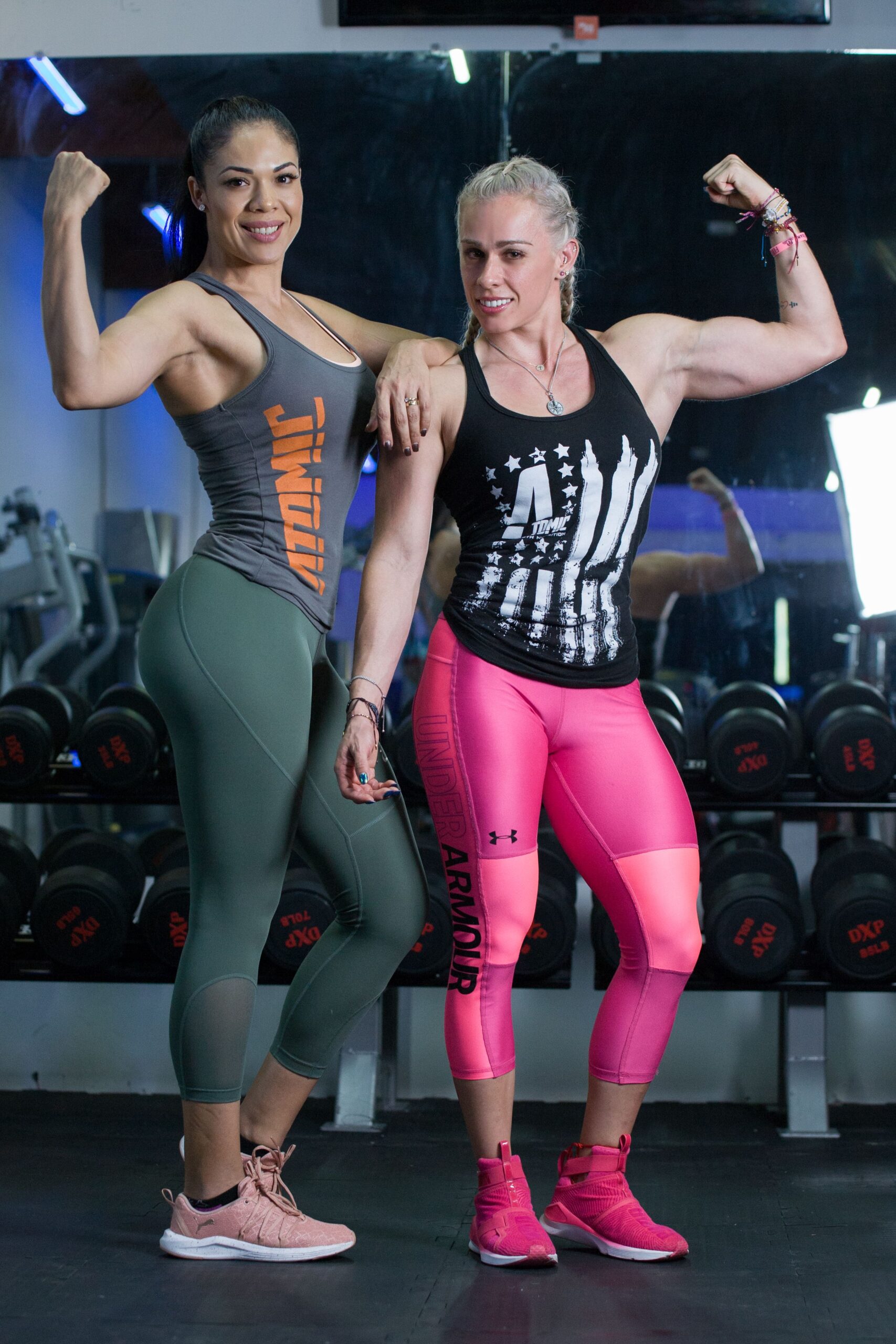
Cardiovascular exercise also deserves a place in a bodybuilding program. Contrary to popular belief, moderate cardio does not necessarily interfere with muscle growth when performed correctly. Twenty-five to thirty minutes of moderate cardiovascular exercise several times per week improves heart health, increases endurance between sets, promotes circulation, and assists recovery by delivering nutrients throughout the body.
For optimal results, cardio should ideally be performed on separate days from weight training or several hours apart. Completing long cardio sessions immediately after an intense lifting workout may reduce recovery and limit future strength gains. Prioritizing recovery from resistance training should always remain the primary goal for anyone focused on building muscle.
Abdominal training is another area where many athletes overcomplicate their routines. Heavy weighted ab exercises are not always necessary, especially for bodybuilders seeking a narrow waist and balanced proportions. Simple movements such as crunches, reverse crunches, and leg raises performed with strict form can effectively strengthen the core without adding excessive thickness around the midsection. Developing control over the abdominal muscles also improves posing, posture, and overall presentation.
The debate between free weights and machines has existed for decades, but both have valuable roles in a bodybuilding program. Free weights allow the body to move naturally according to each individual’s structure while requiring additional stabilizer muscle activation. Machines, on the other hand, provide stability, isolate specific muscles more effectively, and often reduce stress on injured joints.
Machines can also improve safety when training to complete muscular failure because they eliminate much of the balance required during free-weight exercises. Rather than choosing one over the other, experienced bodybuilders typically incorporate both throughout their training programs to maximize muscle stimulation while reducing injury risk.
Training partners can significantly improve both safety and motivation. Heavy compound exercises such as the bench press, squat, and incline press become much safer when an experienced spotter is present. A good training partner also provides encouragement, helps perform forced repetitions safely, and pushes you beyond what you might accomplish alone. Finding someone with similar goals, work ethic, and commitment often leads to better long-term progress.
Nutrition remains the single most important factor outside the gym. Muscle cannot be built without providing the body with the nutrients required for growth and recovery. Protein should form the foundation of every bodybuilding diet because it supplies the amino acids necessary to repair damaged muscle fibers. Dividing protein intake across five or six meals throughout the day allows for a more consistent supply of nutrients while making large daily intakes easier to achieve.
Carbohydrates provide the energy required for intense training sessions. Choosing slower-digesting carbohydrate sources such as oatmeal, brown rice, sweet potatoes, vegetables, and whole grains helps maintain stable blood sugar levels while supplying steady energy throughout the day. Daily carbohydrate intake should be adjusted based on training intensity, body composition, and individual metabolism.
Healthy dietary fats should not be neglected. Eggs, lean beef, fish, nuts, seeds, olive oil, and omega-3 fatty acids all contribute to hormone production, joint health, and overall performance. Extremely low-fat diets often reduce strength and recovery, making moderate fat intake an essential component of a balanced muscle-building nutrition plan.
Protein supplements remain one of the most practical tools available to bodybuilders. While whole foods should always provide the majority of daily nutrition, quality protein powders make it easier to meet high protein requirements, particularly for athletes consuming several hundred grams of protein each day. Following a workout, rapidly absorbed whey protein combined with simple carbohydrates helps replenish glycogen stores and delivers nutrients to recovering muscles. Supplements such as creatine and glutamine may also support recovery and performance when used appropriately.
Injury prevention should  always be a priority. Small muscle strains and joint discomfort should never be ignored. Addressing minor problems early through proper recovery, massage therapy, mobility work, and professional treatment can prevent long-term setbacks. Scar tissue from untreated injuries reduces flexibility and increases the likelihood of reinjury. Many experienced athletes also benefit from regular chiropractic care or soft tissue therapy to maintain proper movement and joint alignment.
Tracking progress is another habit shared by successful bodybuilders. Recording body weight, strength levels, body measurements, and progress photographs provides objective feedback that mirrors alone cannot always reveal. Small monthly improvements may appear insignificant at first, but over the course of a year they can produce dramatic physical transformations.
Keeping a detailed training journal further enhances consistency. Recording every workout, meal plan, exercise, weight lifted, and repetition completed creates accountability while making progressive overload easier to achieve. Setting realistic monthly goals instead of focusing solely on distant objectives helps maintain motivation and provides measurable milestones along the way.
Ultimately, bodybuilding success is built through discipline, patience, and intelligent planning. Controlled exercise technique, progressive overload, balanced nutrition, adequate recovery, injury prevention, and consistent tracking all work together to create lasting muscle growth. There are no shortcuts to building an exceptional physique, but athletes who master these fundamentals and apply them consistently will continue making progress year after year while avoiding many of the mistakes that prevent others from reaching their full potential.
CLICK HERE TO JOIN IN ON THE DISCUSSION
References
- American College of Sports Medicine. Resistance Training Prescription for Muscle Function, Hypertrophy, and Physical Performance in Healthy Adults: An Overview of Reviews (2026). This comprehensive position stand summarizes evidence from over 137 systematic reviews and more than 30,000 participants on effective resistance training for muscle growth and strength.
PubMed Article - American College of Sports Medicine (ACSM). Position Stands and Scientific Statements. Official collection of evidence-based exercise and sports medicine guidelines covering resistance training, nutrition, hydration, injury prevention, and more.
ACSM Position Stands - Thomas, D. T., Erdman, K. A., & Burke, L. M. (2016). Position of the Academy of Nutrition and Dietetics, Dietitians of Canada, and the American College of Sports Medicine: Nutrition and Athletic Performance. Journal of the Academy of Nutrition and Dietetics. This paper provides recommendations on protein, carbohydrates, fats, hydration, nutrient timing, and recovery for athletes.
Nutrition and Athletic Performance (ScienceDirect) - Jäger, R., Kerksick, C. M., Campbell, B. I., et al. (2017). International Society of Sports Nutrition Position Stand: Protein and Exercise. Journal of the International Society of Sports Nutrition. Reviews current scientific evidence regarding protein intake, muscle protein synthesis, recovery, and resistance training.
PubMed Article - American College of Sports Medicine. 2026 Resistance Training Guidelines Update. A summary of the latest recommendations emphasizing that consistency and progressive resistance training are the primary drivers of muscle growth and strength.
ACSM 2026 Resistance Training Guidelines