Building a stronger, healthier, more attractive physique is about much more than losing weight. Women who want lasting fitness results need a combination of intelligent resistance training, proper nutrition, cardiovascular exercise, and effective recovery.
Whether your goal is developing stronger legs and glutes, building lean muscle, improving body composition, or maintaining youthful-looking skin, understanding how your body responds to exercise and nutrition can make a tremendous difference.
Women are increasingly embracing bodybuilding and strength training, yet misconceptions remain about lifting heavy weights, consuming protein, and using supplements. There is also growing interest in collagen peptides and their potential benefits for skin health.
Here is a practical, science-based guide to getting more from your workouts, whether you eat meat or follow a vegan lifestyle.
1. Stop Being Afraid of Heavy Weights
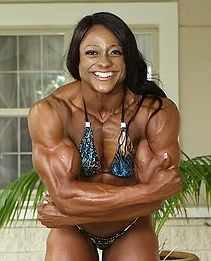
One of the biggest misconceptions in female fitness is that lifting heavy weights automatically creates a bulky, masculine appearance.
This simply isn’t true.
Developing substantial muscle mass requires consistent resistance training, progressive overload, appropriate nutrition, and time. Women generally have considerably lower testosterone levels than men, influencing average differences in muscle development. However, women can build impressive strength and muscular definition.
Weight training should be a foundation of female fitness because it offers several benefits:
- Builds and maintains lean muscle.
- Improves strength and physical performance.
- Supports bone density.
- Helps improve body composition.
- Strengthens the legs, glutes, shoulders, and back.
- Supports healthy aging.
The American College of Sports Medicine’s 2026 resistance-training recommendations emphasize progressive resistance and individualized training programs. For muscle development, higher weekly training volumes can be beneficial.
Women should concentrate on gradually increasing resistance, improving technique, and challenging their muscles rather than endlessly performing repetitions with very light weights.
2. Build a Workout Around Your Goals
An effective workout program should reflect what you actually want to accomplish.
For women interested in developing stronger glutes and legs, exercises such as squats, hip thrusts, Romanian deadlifts, lunges, and leg presses are excellent choices.
Upper-body training deserves equal attention. Lat pulldowns, seated rows, chest presses, shoulder presses, and arm exercises help develop balanced muscular strength.
Core exercises, including planks, dead bugs, and controlled cable crunches, can improve stability and movement control.
A practical weekly training schedule might look like this:
| Day | Workout |
|---|---|
| Monday | Legs and glutes |
| Tuesday | Upper body |
| Wednesday | Walking or cardio |
| Thursday | Legs and glutes |
| Friday | Upper body and core |
| Saturday | Optional cardio |
| Sunday | Rest |
Beginners can start with two or three full-body sessions weekly. More experienced women may benefit from four or five sessions, depending on their recovery capacity.
The most important principle is progressive overload: gradually increasing resistance, repetitions, or training volume as your body becomes stronger.
3. Cardio Is Important, But Don’t Overdo It
Cardiovascular exercise supports heart health, endurance, and overall fitness. Walking, cycling, swimming, jogging, and elliptical training are all useful options.
For women interested in improving body composition, combining resistance training with moderate cardio is an effective strategy.
A good starting point is 20–30 minutes of moderate cardiovascular activity several times weekly.
Walking deserves special attention because it is accessible, relatively low impact, and easy to incorporate into everyday life.
However, excessive cardio combined with insufficient food intake can interfere with muscle development and recovery. The objective is to improve cardiovascular fitness while preserving the energy necessary for strength training.
4. Nutrition: The Foundation of a Better Physique
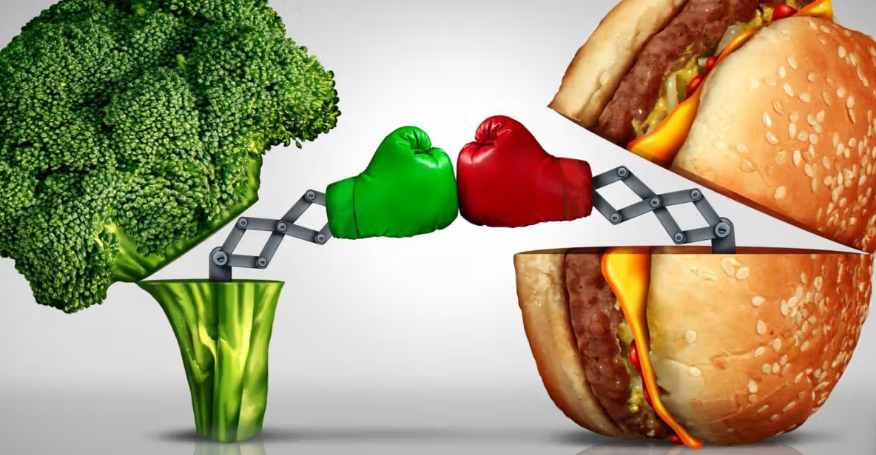
Training provides the stimulus for muscle adaptation, but nutrition supplies the materials and energy required to support it.
Three macronutrients deserve particular attention.
 Protein supplies amino acids needed for muscle repair and development.
Carbohydrates provide energy for demanding workouts and replenish muscle glycogen.
Dietary fats support normal hormonal function, nutrient absorption, and general health.
For women participating in regular resistance training, approximately 1.4–2.0 grams of protein per kilogram of body weight daily is a useful evidence-based range.
For example, a woman weighing 65 kilograms could aim for approximately 91–130 grams of protein daily.
Distributing protein across several meals is a practical way to meet this target.
One common mistake is dramatically reducing calories while increasing exercise. Although this may initially produce weight loss, inadequate energy intake can compromise muscle development, menstrual function, and recovery.
5. Best Protein Sources for Women Who Eat Meat
Women who consume animal products have several excellent protein options.
Chicken and turkey: Lean poultry provides substantial protein and works well in everyday meals.
Eggs: Eggs provide complete protein along with nutrients such as vitamin B12 and choline.
Fish: Salmon, tuna, and sardines provide protein, while oily fish also supply beneficial omega-3 fatty acids.
Lean beef: Beef supplies protein, iron, zinc, and vitamin B12.
Greek yogurt: A convenient protein-rich option for breakfast, snacks, or post-workout meals.
Whey protein: Whey powder offers an easy way to increase daily protein intake when ordinary meals are insufficient.
A practical daily menu could include eggs at breakfast, chicken and rice at lunch, Greek yogurt as a snack, and fish with vegetables and potatoes at dinner.
Supplements are not mandatory if your diet already supplies sufficient protein.
6. Vegan Nutrition: Building Muscle Without Animal Products
Can women develop strong, muscular physiques without eating meat, eggs, or dairy?
Absolutely.
A properly planned vegan diet can support resistance training and muscle development. The key is consuming sufficient protein and a variety of plant-based foods.
Excellent options include:
- Lentils
- Chickpeas
- Black beans
- Kidney beans
- Soybeans
- Tofu
- Tempeh
- Seitan
- Peas
- Quinoa
Soy deserves particular attention because tofu, tempeh, and soy protein provide substantial amounts of protein and all essential amino acids.
Pea, soy, and blended plant-protein powders are also useful alternatives to whey.
Vegan women should pay attention to vitamin B12, iron, calcium, vitamin D, zinc, iodine, and omega-3 fatty acids.
Vitamin B12 is particularly important because an unfortified vegan diet does not provide a reliable natural source. Appropriate supplementation or fortified foods are necessary.
Iron is another consideration, especially for women who menstruate. Lentils, beans, tofu, and fortified cereals provide plant-based iron. Combining these foods with vitamin C-rich ingredients such as tomatoes, citrus fruits, and peppers can improve iron absorption.
The bottom line is that vegan nutrition does not prevent muscle development. Proper planning and adequate protein intake are what matter.
7. Collagen Peptides: Can They Improve Women’s Skin?
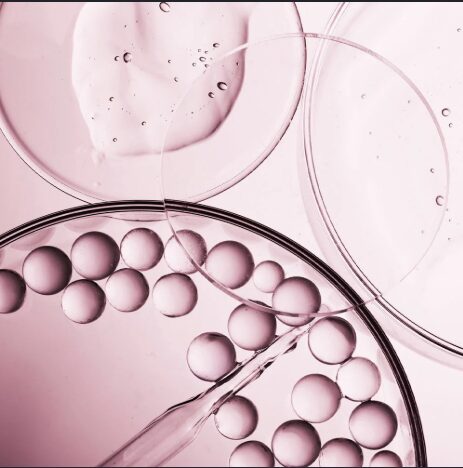
Fitness isn’t just about muscles. Many women are also interested in maintaining healthy skin, improving elasticity, and supporting a youthful appearance.
This is where collagen peptides have attracted considerable attention.
Collagen is a structural protein found throughout the body, particularly in the skin, bones, tendons, and connective tissues. It contributes to skin structure, firmness, and elasticity.
As people age, natural collagen production changes. Sun exposure, smoking, and environmental factors can also contribute to visible skin aging.
Collagen peptides are smaller protein fragments produced through the hydrolysis of collagen. They are commonly available as powders, capsules, and liquid supplements, usually derived from bovine or marine sources.
Research has investigated whether consuming these peptides can support skin hydration and elasticity.
Some clinical trials have reported positive results. However, the evidence is mixed.
A 2025 systematic review and meta-analysis published in The American Journal of Medicine examined 23 randomized controlled trials involving 1,474 participants. Although the overall analysis found improvements in certain skin measurements, studies without pharmaceutical-industry funding and higher-quality studies did not demonstrate significant benefits.
This means collagen supplements should not be marketed as guaranteed wrinkle treatments or proven anti-aging solutions.
For women interested in trying them, collagen peptides may be an optional addition to a balanced nutrition and skincare routine.
Vegan women should understand that conventional collagen supplements are animal-derived. Products marketed as vegan collagen boosters generally contain nutrients intended to support the body’s own collagen production, rather than actual collagen peptides.
Vitamin C, adequate protein, and protection from excessive sun exposure remain important considerations for healthy skin.
8. Creatine and Other Supplements Worth Considering
The supplement industry offers countless products promising faster muscle growth, better recovery, and improved appearance. However, women do not need an enormous supplement collection.
Several products have considerably more scientific support than many fashionable alternatives.
Creatine monohydrate
Creatine is one of the most researched sports supplements available. It supports energy production during repeated high-intensity activity and can improve strength and resistance-training performance.
Women can benefit from creatine supplementation, particularly when participating in regular strength training.
A common maintenance approach is 3–5 grams daily. Loading is unnecessary.
Creatine is not a steroid and does not directly increase testosterone. Some initial weight gain can occur because of increased water stored within muscle tissue.
Whey and plant protein
These products provide convenient ways to meet daily protein requirements when food alone is insufficient.
Omega-3 fatty acids
Fish oil and algae-based supplements provide EPA and DHA, particularly useful for women who rarely consume oily fish.
Vitamin D and iron
These nutrients deserve attention when dietary intake or laboratory results indicate a deficiency. Supplementation should be based on individual needs.
Supplements should support an effective fitness program, not replace proper nutrition and training.
9. Hormones, Menstrual Cycles, and Women’s Training
Women’s physiology changes throughout life, and hormonal fluctuations can influence exercise experiences, appetite, energy, and recovery.
Some women notice differences in strength, fatigue, sleep, or motivation during particular phases of their menstrual cycles. Others experience very little variation.
Rather than automatically changing an entire training program every month, women can monitor their individual experiences and make adjustments when necessary.
Perimenopause and menopause introduce additional considerations. Changes in estrogen levels can influence body composition, bone health, and muscle maintenance.
Resistance training becomes particularly valuable during these stages because maintaining muscle strength and bone health contributes to healthy aging.
Another important issue is low energy availability. Consistently eating too little while exercising excessively can disrupt menstrual function, impair bone health, and reduce athletic performance.
Persistent menstrual irregularities or unexplained fatigue deserve medical attention.
10. Recovery: The Secret to Long-Term Results
Many women concentrate almost exclusively on workouts while overlooking what happens between training sessions.
Muscles need time to recover and adapt to resistance training. Without sufficient recovery, fatigue can accumulate and performance can decline.
Aim for at least seven hours of quality sleep each night. Maintain adequate nutrition, stay hydrated, and allow sufficient rest between demanding sessions.
Remember that progress is not always linear. Some weeks bring noticeable improvements, while others involve maintaining existing performance.
Consistency over months and years is more valuable than exhausting yourself for a few weeks.
Conclusion: Build a Stronger, Healthier You
Modern female fitness should be about much more than losing weight or achieving a particular clothing size.
Women can build impressive physiques, develop stronger muscles, improve cardiovascular fitness, support bone health, and maintain their physical capabilities throughout life.
Whether you prefer chicken and eggs or follow a completely vegan diet, you can achieve excellent results with appropriate nutritional planning.
Collagen peptides may be worth investigating for skin health, although the scientific evidence remains mixed. Creatine and protein supplements also offer practical options for supporting training goals.
The formula is straightforward: lift weights, eat well, consume adequate protein, recover properly, and remain consistent.
Strong is beautiful. Healthy is powerful. And your best fitness years don’t have to be behind you.
CLICK HERE TO JOIN IN ON THE DISCUSSION IN OUR FORUMS
Scientific References
- Currier et al. (2026). Resistance Training Prescription for Muscle Function, Hypertrophy, and Physical Performance in Healthy Adults. American College of Sports Medicine.
https://pubmed.ncbi.nlm.nih.gov/41843416/ - Smith-Ryan et al. (2023). International Society of Sports Nutrition Position Stand: Nutritional Concerns of the Female Athlete.
https://pmc.ncbi.nlm.nih.gov/articles/PMC10210857/ - Jäger et al. (2017). International Society of Sports Nutrition Position Stand: Protein and Exercise.
https://pmc.ncbi.nlm.nih.gov/articles/PMC5477153/ - Myung and Park (2025). Effects of Collagen Supplements on Skin Aging: A Systematic Review and Meta-Analysis of Randomized Controlled Trials. The American Journal of Medicine.
https://pubmed.ncbi.nlm.nih.gov/40324552/ - International Society of Sports Nutrition. Creatine Supplementation and Exercise Performance.
https://jissn.biomedcentral.com/articles/10.1186/s12970-017-0173-z
Meta description:
Tag words: Women’s Fitness, Female Bodybuilding, Women’s Weight Training, Muscle Growth, Female Nutrition, Vegan Protein, Collagen Peptides, Skin Health, Creatine, Women’s Health, Strength Training, Fat Loss, Fitness Over 40, Muscle Recovery, Sports Nutrition.