2026 Workout Resolution Blueprint
Building your 2026 workout resolution isn’t about a perfect January; it’s about designing a whole year that actually fits your real life. Most adults know movement is “good,” but the data is pretty blunt: people who are regularly active live longer and have a lower risk of heart disease, stroke, type 2 diabetes, some cancers, and depression, and they sleep, think, and feel better overall. (CDC) If you want 2026 to feel different, your resolution needs more than willpower and a gym membership—it needs a realistic plan.
Start with the big picture: what do you want your body and life to feel like by the end of 2026? Maybe it’s having enough stamina to hike every weekend, dropping your blood pressure, fitting comfortably in your clothes, or finally feeling confident in the weight room. Get specific about the “why” behind your resolution. That emotional anchor matters when the new-year excitement fades in February and you’re making a choice between the couch and your shoes. Behavior-change research shows that goals tied to personally meaningful outcomes are more likely to stick than vague ideas like “get in shape.” (ACE Fitness)
Once you know your “why,” line it up with what experts recommend. Current physical activity guidelines suggest that adults should accumulate at least 150 to 300 minutes per week of moderate-intensity aerobic activity (like brisk walking) or 75 to 150 minutes of vigorous activity (like running), plus muscle-strengthening work for major muscle groups on at least two days a week. (PubMed) Hitting these targets is strongly linked with lower risk of chronic disease, better weight management, stronger bones, and improved mood. (CDC) So your 2026 workout resolution shouldn’t just say “exercise more”; it should point you toward that 150–300 minute range and include some kind of strength training.
The next step is turning that guideline into something you can actually follow. This is where SMART goals come in: Specific, Measurable, Achievable, Relevant, and Time-bound. (Healthline) Instead of “I’ll work out more in 2026,” try something like “I will walk briskly for 30 minutes on Monday, Wednesday, Friday, and Saturday, and do a 20-minute dumbbell routine at home on Tuesday and Thursday.” A SMART goal spells out what you’re doing, how often, and when, and keeps it tied to your bigger “why.” Research on health behavior consistently shows that clearly defined, concrete goals improve your odds of follow-through. (PMC)
Design your weekly plan so it feels doable, not heroic. If you’re starting mostly from scratch, you might begin with 10–20 minutes of moderate movement most days and gradually build toward that 150-minute minimum. Walking, cycling, swimming, dancing at home, or low-impact cardio classes all count. For busy schedules, you can break sessions into chunks—three 10-minute walks spread through the day still add up. Studies also show that “weekend warrior” patterns, where you compress activity into one or two days but still meet total weekly minutes, can provide similar health benefits if that better fits your lifestyle. (The Sun) The key is to choose a pattern that you can realistically repeat, not just survive for two weeks.
Strength training deserves its own deliberate plan in your 2026 resolution. At least twice a week, include exercises that challenge major muscle groups: legs, hips, back, chest, shoulders, and arms. (CDC) This can be done with free weights, machines, resistance bands, or even bodyweight moves like squats, pushups, and rows. For many people, a simple full-body routine performed two or three times per week is enough to build strength, support joint health, and help protect against age-related muscle loss. Consistent resistance training also boosts metabolism and improves the way your body handles blood sugar, making it a powerful tool for weight management and long-term health. (CDC)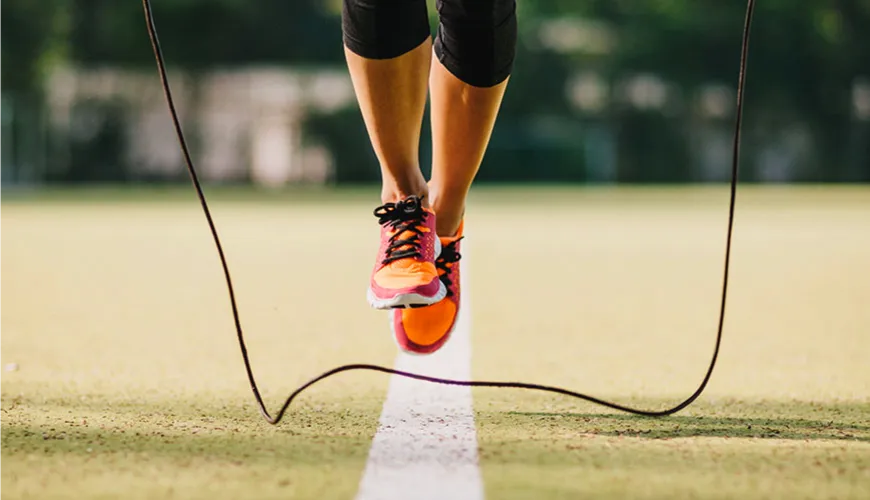
Of course, even the smartest plan fails if it never becomes a habit. The uncomfortable truth is that habit formation takes longer than the old “21 days” myth. A landmark study from University College London found that it typically takes an average of about 66 days for a new behavior to become automatic, with big variation between people and habits. (University College London) Recent reviews of habit research suggest that many health behaviors, including exercise, often require several months of repetition before they really stick. (PubMed) So when you design your 2026 workout resolution, give yourself a realistic timeline: you’re aiming to practice your routine for at least two to three months before you expect it to feel “natural.”
To bridge that gap between January promise and long-term habit, build in structure and support. Put workouts directly into your calendar with reminders, the same way you would schedule appointments. Prep your environment so the path of least resistance points toward movement: shoes by the door, workout clothes laid out, resistance bands in the living room, phone charger far from the couch. Habit experts often recommend “habit stacking”—linking your new behavior to something you already reliably do. For example, “After I finish my morning coffee, I walk for 15 minutes,” or “After I finish work on weekdays, I go directly to the gym before going home.” (Healthline)
Motivation is important, but relying only on feeling “motivated” is risky. Instead, think in terms of building systems. Find types of movement you actually enjoy—dance classes instead of treadmill miles, outdoor walks instead of indoor machines, group strength classes instead of lifting alone. Enjoyment is strongly linked to sticking with physical activity. (ACE Fitness) Consider simple accountability: a walking buddy, a group chat where you drop post-workout selfies, or a coach or class you prepay. When you design your 2026 resolution, make “support” part of the plan, not an afterthought.
Your workout resolution should also expect real life to happen. There will be sick days, travel, late nights, missed alarms, and weeks where everything feels off. Instead of framing those as failures, write your “bounce-back plan” into your resolution now. For example: “If I miss more than three workouts in a week, I will restart with one easy 20-minute session the next day and rebuild from there.” Research on behavior change emphasizes that relapse is normal and that flexible, self-compassionate strategies help people return to their routines instead of quitting altogether. (ACE Fitness)
Finally, give your 2026 workout resolution room to evolve. As the year goes on, you might increase your minutes, shift from walking to jogging, add heavier lifts, or train for a specific event like a 5K or hike. The foundation stays the same—regular aerobic activity, consistent strength training, and a focus on long-term health—but the details can grow with you. Instead of treating January 1 as a pass/fail test, think of it as the first draft of your plan. You adjust, rewrite, and improve as you learn what works in your actual life.
If you approach your 2026 workout resolution this way—grounded in science, tied to your real “why,” and built around habits instead of hype—you’re not just chasing a new-year buzz. You’re building a year where moving your body becomes part of who you are, not just something you do until the novelty wears off.
Build your 2026 workout resolution with science-backed goals, sustainable habits, motivation that lasts longer.
FOLLOW THE DISCUSSION in our forums
References
https://pubmed.ncbi.nlm.nih.gov/30418471/
https://www.who.int/initiatives/behealthy/physical-activity
https://www.cdc.gov/physical-activity-basics/health-benefits/adults.html
https://www.cdc.gov/physical-activity-basics/guidelines/adults.html
https://www.ucl.ac.uk/news/2009/aug/how-long-does-it-take-form-habit
https://www.healthline.com/health/how-long-does-it-take-to-form-a-habit
https://www.healthline.com/health/fitness/smart-fitness-goals
https://www.cdc.gov/physical-activity/php/about/index.html