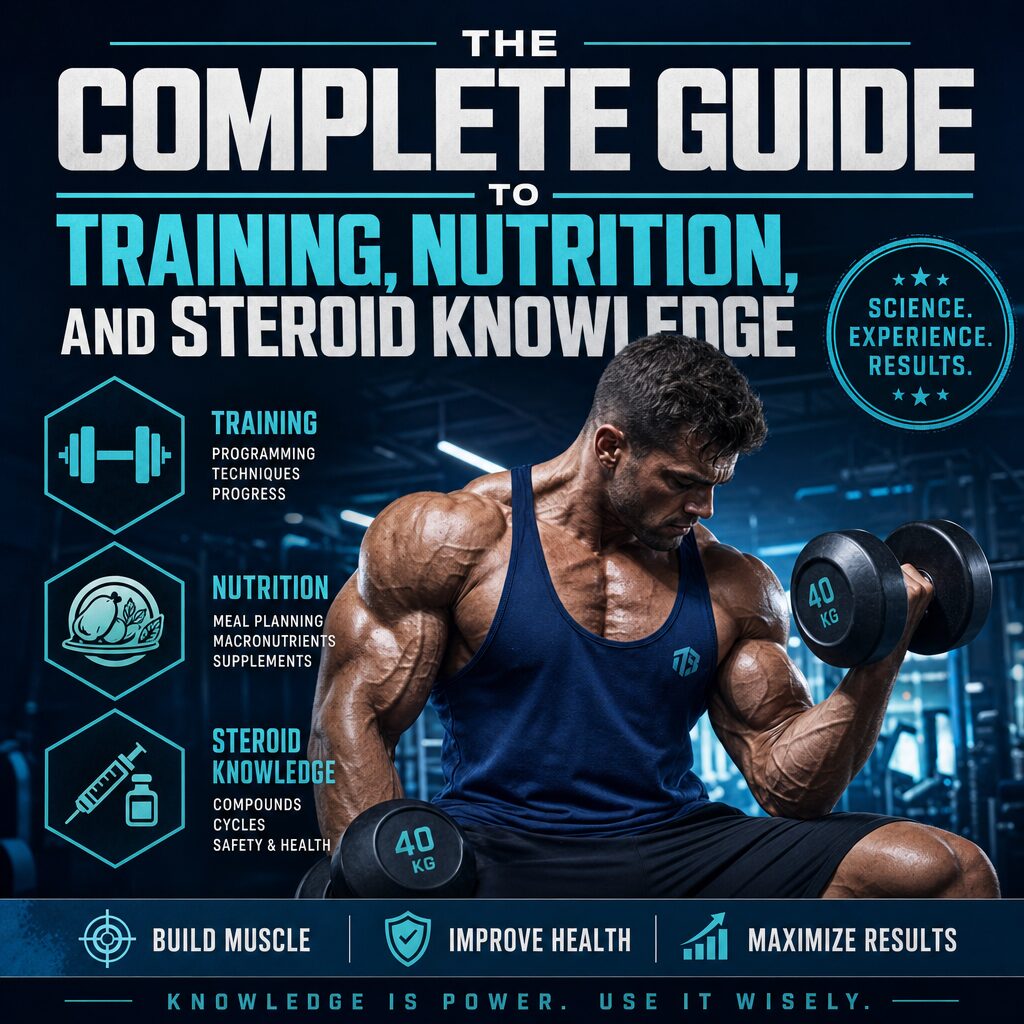
In the world of sports, bodybuilding, and even medicine, few substances spark as much debate as anabolic steroids. Known scientifically as anabolic-androgenic steroids (AAS), these synthetic variations of the male hormone testosterone have been both celebrated and condemned. They promise enhanced performance, rapid muscle growth, and faster recovery — yet they also carry serious ethical, physical, and psychological consequences.
This article explores the nature of anabolic steroids, their pros and cons, legitimate medical uses, and how society continues to struggle with their presence in sports and popular culture.
What Are Anabolic Steroids?
Anabolic steroids are synthetic derivatives of testosterone, the primary male sex hormone responsible for muscle development, bone density, and secondary male characteristics like facial hair and a deep voice.
The term “anabolic” refers to muscle-building properties, while “androgenic” relates to the development of male traits. Together, they describe substances designed to mimic testosterone’s effects in the body.
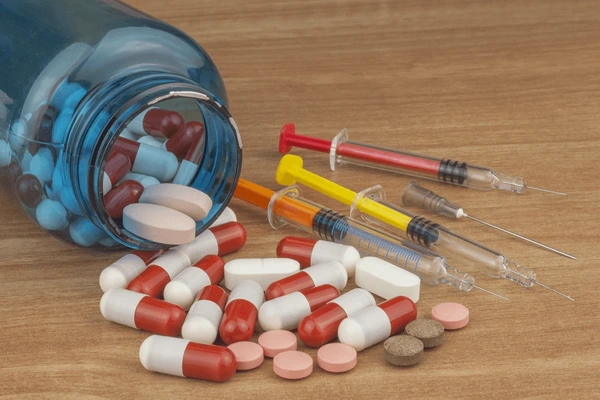
Steroids can be administered in various forms:
- Oral tablets (e.g., Dianabol, Anavar)
- Injectable solutions (e.g., Deca-Durabolin, Testosterone Cypionate)
- Topical creams or gels
While many associate steroids with illegal sports performance enhancement, they were originally created for medical purposes — to treat conditions like muscle wasting due to cancer or AIDS, delayed puberty, and certain types of anemia.
How Do Anabolic Steroids Work?
Anabolic steroids function by binding to androgen receptors in cells, which then signal the body to increase protein synthesis — the foundation of muscle repair and growth.
The user’s body enters a state of enhanced nitrogen retention and muscle anabolism, allowing faster recovery from workouts and greater resistance to muscle fatigue. This is why steroid users can train harder, longer, and recover more quickly than non-users.
In essence, anabolic steroids amplify the body’s natural building processes — but this artificial enhancement often comes with a biological price.
The Pros: Why Some People Use Anabolic Steroids
Despite the risks, many continue to use steroids for their powerful benefits. Here are some legitimate and perceived advantages:
-
Increased Muscle Mass and Strength
The most obvious effect is rapid and significant muscle growth. Steroids accelerate the muscle repair process, enabling more intense training sessions that translate into visible size and power gains. -
Enhanced Athletic Performance
Athletes often seek the endurance and strength improvements that steroids can provide. While banned in professional sports, the allure of improved speed, explosiveness, and recovery attracts many users nonetheless. -
Faster Recovery From Injury or Training
By reducing inflammation and promoting tissue regeneration, steroids shorten the recovery time after workouts or injuries. This allows athletes to return to competition more quickly. -
Medical Applications
In clinical settings, AAS are useful for:
- Treating muscle wasting in conditions like AIDS, cancer, or malnutrition
- Managing hormonal deficiencies, such as delayed puberty in males
- Addressing osteoporosis by improving bone density
- Supporting recovery from severe trauma or chronic wasting diseases
- Improved Physical Appearance and Confidence
Some users report not just physical improvement but also enhanced self-esteem. In an image-driven culture, the ideal muscular physique can create psychological satisfaction — albeit temporary.
The Cons: Health Risks and Psychological Effects
While the benefits sound appealing, the drawbacks are serious and wide-ranging. Steroid misuse — particularly in high doses or prolonged cycles — can have lasting consequences.
-
Hormonal Imbalance
Anabolic steroids disrupt the body’s natural production of testosterone. The body senses excess hormones and reduces its own output, often leading to testicular shrinkage, infertility, and erectile dysfunction. In women, these drugs can cause deepened voices, facial hair growth, and menstrual irregularities. -
Liver and Kidney Damage
Oral steroids are processed through the liver, where they can cause toxic buildup, hepatitis, or even liver cancer. The kidneys may also suffer as they attempt to filter out excessive waste from the rapid protein turnover. -
Cardiovascular Problems
Steroids can negatively affect cholesterol levels — increasing LDL (“bad”) cholesterol while decreasing HDL (“good”) cholesterol — heightening the risk of heart disease, high blood pressure, and stroke. -
Psychological Effects
Known colloquially as “roid rage,” steroid usage can trigger aggression, irritability, and mood swings. Some users experience depression, anxiety, or even psychosis when cycling off steroids, as the body struggles to restore hormonal balance. -
Addiction and Withdrawal
Users can develop psychological dependence, driven by the desire to maintain physical appearance and performance. Withdrawal brings fatigue, depression, and loss of muscle mass, which often leads to relapse. -
Legal Consequences
In many countries, including the United States, Canada, and Guatemala, non-prescription possession or trafficking of anabolic steroids is illegal. Athletes caught using them can face suspensions, fines, or permanent bans from their sport.
Social and Ethical Implications
The conversation around anabolic steroids goes beyond individual health and enters the domains of ethics, society, and fair play.
Professional sports organizations — from the International Olympic Committee to FIFA — have banned steroids to maintain integrity and fairness. Athletes such as Lance Armstrong and Ben Johnson saw their careers destroyed by doping scandals that shook public trust.
However, the issue also raises socio-cultural questions:
- Should adults have informed freedom to use performance enhancers?
- Is there a difference between medical necessity and aesthetic enhancement?
- To what extent does society’s obsession with physical perfection encourage risky behavior?
These debates underscore a core dilemma: the intersection of human ambition and biological limitation.
Natural Alternatives and Safer Strategies
For those seeking performance improvement or muscle growth without steroids, safer alternatives exist:
- Proper nutrition and supplementation (e.g., whey protein, creatine)
- Advanced training techniques like progressive overload and periodization
- Legal performance enhancers such as beta-alanine, caffeine, or natural hormone boosters (e.g., D-aspartic acid, zinc)
- Adequate rest and recovery
While these methods may not deliver steroid-level results, they avoid the severe health and ethical costs of AAS misuse.
The Balanced Perspective
Anabolic steroids are neither pure evil nor perfect miracles. They are powerful tools that, when used under strict medical supervision, can improve lives. Yet, outside medical necessity, their misuse has destroyed careers, damaged bodies, and sparked moral controversies worldwide.
Ultimately, understanding steroids requires nuance. Demonizing them oversimplifies the issue, just as glorifying them ignores the damage they cause. Instead, education — not stigma — should be the foundation of public health discussions around their use.
Conclusion
The story of anabolic steroids reflects humanity’s unrelenting pursuit of excellence — the desire to be stronger, faster, and more beautiful. But with great power comes the responsibility to understand the risks that accompany the rewards.
Used responsibly in medical contexts, anabolic steroids can be life-saving. Abused for performance or aesthetics, they can be life-threatening. Striking the right balance between ambition and prudence remains the challenge — one that every athlete, doctor, and policymaker must continue to navigate.
In the end, the real strength lies not only in how much muscle we can build, but in how wisely we choose to pursue it.
📚 References
- Kanayama, G., Hudson, J. I., & Pope, H. G. (2020). Anabolic-androgenic steroid use and body image in men: A growing public health concern. Annual Review of Medicine, 71, 33–45.
- NIDA (National Institute on Drug Abuse). (2022). Anabolic Steroids DrugFacts. https://nida.nih.gov
- Mayo Clinic Staff. (2023). Anabolic steroids: What they are and what they do. https://www.mayoclinic.org
- U.S. Anti-Doping Agency (USADA). (2024). Performance-Enhancing Drugs (PEDs): Anabolic Steroids. https://www.usada.org
- Hartgens, F., & Kuipers, H. (2004). Effects of androgenic-anabolic steroids in athletes. Sports Medicine, 34(8), 513–554.
- World Anti-Doping Agency (WADA). (2023). Prohibited List. https://www.wada-ama.org
- Cowan, D. A., & McLeod, M. D. (2019). Performance-enhancing drugs and sport: Societal perspectives and policy implications. Journal of Sports Health, 11(2), 98–107.
- Kuhn, C. M. (2002). Anabolic steroids. Recent Progress in Hormone Research, 57, 411–434.